


When upgrading your living room, you might face a common dilemma in the furniture world: choosing a modular sofa vs sectional. While both options provide ample seating and a cozy aesthetic for movie nights, the real difference lies in versatility, room layout, and how the furniture adapts to your lifestyle. Because "versus" comparison guides are excellent for helping buyers in the consideration phase, let's break down the key differences between modular and sectional sofas so you can make the right choice.
What is a Traditional Sectional?
A traditional sectional is a pre configured couch with a fixed shape. Usually arranged in an l shape or u shape, these couches rely on a solid frame and are connected to form one large anchor for your living space.
-
Best for: A spacious living room or large living rooms where a fixed floor plan creates visual order.
-
The Pros: Traditional sectional sofas provide a clean lines modern aesthetic and feel incredibly solid. An oversized sectional with a fixed chaise is perfect for daily life and movie marathons.
-
The Cons: Their fixed configurations mean you cannot easily rearrange the seating layout. They can also be difficult to maneuver through tight doorways.
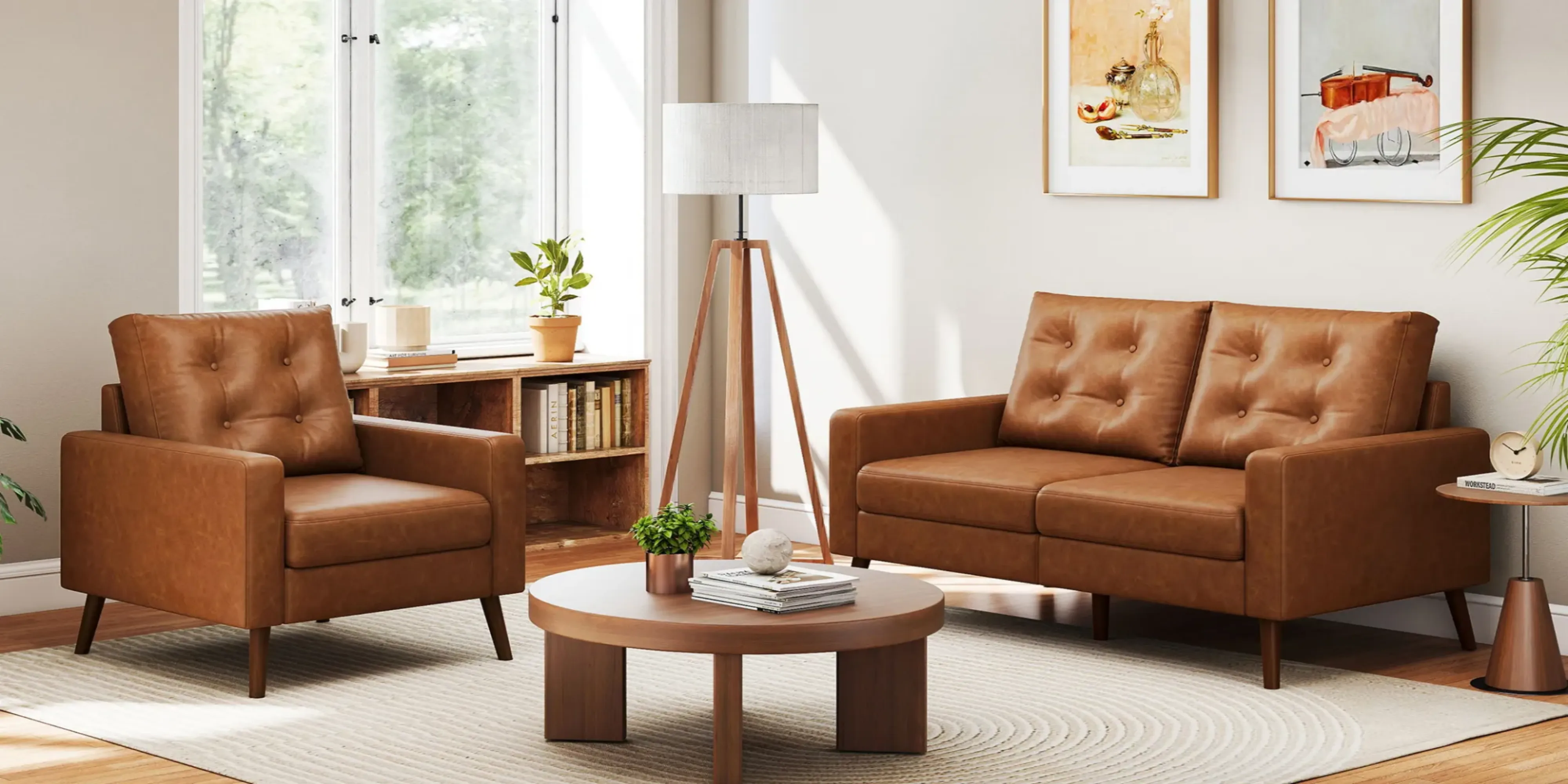
What is a Modular Sofa?
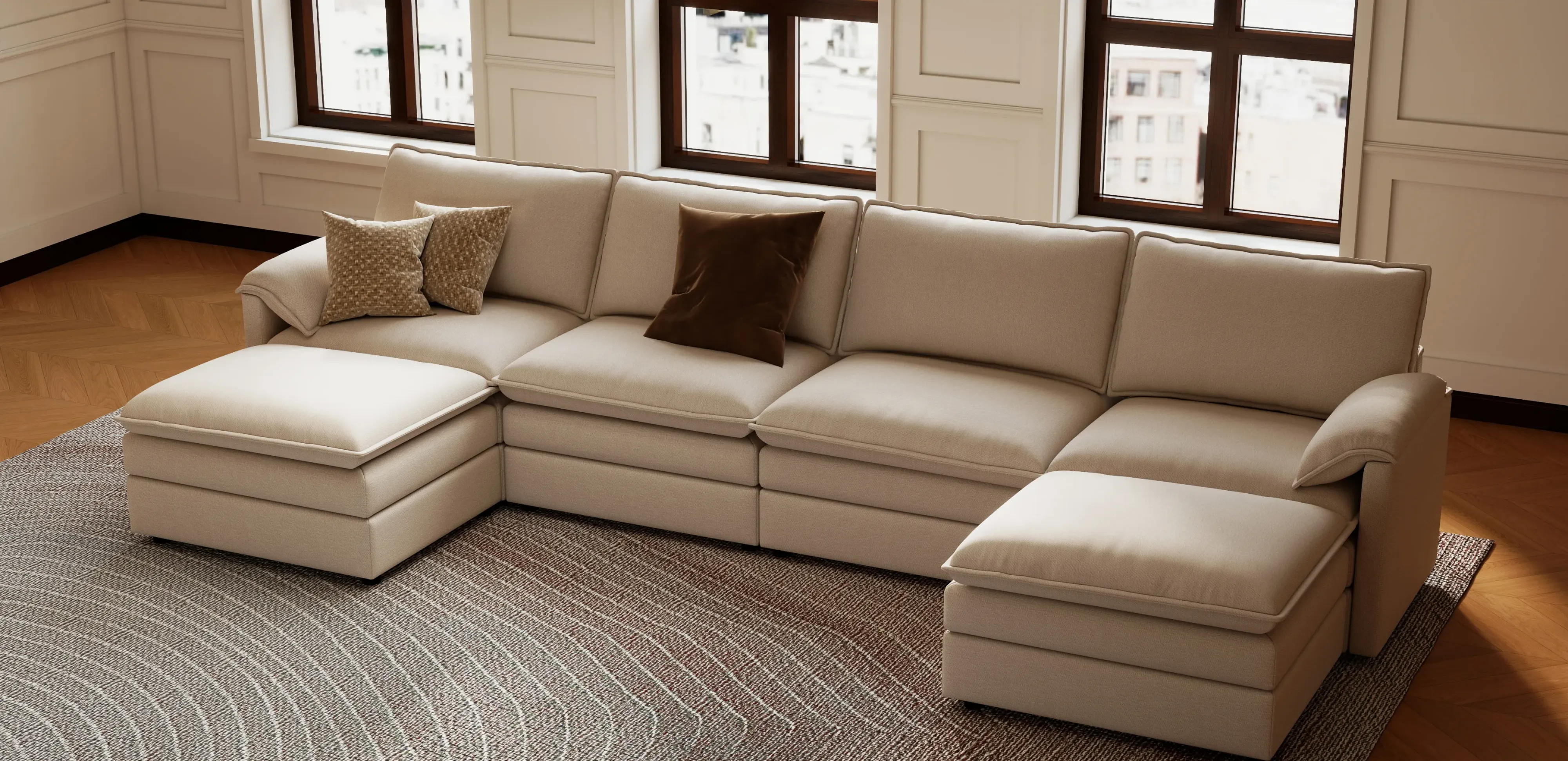
Modular sofas (or modular couches) are made of multiple pieces, or individual modules, that act as building blocks. Instead of a single, massive frame, you get individual units that can be connected or separated with just a click.
-
Best for: Tricky spaces, a small living room, narrow hallways, or situations where moving house is common.
-
The Pros: Modular furniture offers unmatched versatility. You can rearrange these modular pieces—like an ottoman, corner piece, or single module—to completely change your floor plan.
-
The Cons: Because they consist of more pieces, they can sometimes shift on slick hardwood floors if not properly secured.
Key Differences for Your Lifestyle
When comparing sectional and modular sofas, consider your future space. Modular and sectional sofas both offer comfort, but modular units allow you to add modules (like an extra seat) to accommodate a growing family. This makes modular couches ideal for frequent movers who need their furniture to adapt to new spaces. Conversely, if you want a permanently fixed shape that anchors a large room, you might prefer a traditional sectional.
Which is the Perfect Sofa for You?
Choosing the right furniture comes down to your floor space and daily life. If you love a set style and have the room, a sectional is beautiful and solid. If you want to create custom shapes that adapt over time, go modular. Whichever you choose, look for performance fabrics and a reputable maker to ensure your couches and cushions are durable enough to last.
FAQs
1. Is a modular sofa better than a traditional sectional for moving between US apartments?
Yes. A modular sofa is significantly better for frequent movers and apartment renters because it breaks down into individual seat blocks. While traditional sectionals often get stuck in narrow hallways or stairwells, modular pieces easily fit through standard US apartment doors and tight elevators. This means you can also rearrange the layout to fit a new floor plan if your next living room has a different shape. Renters looking for stress-free moving should explore our core modular seating collections.
2. Can you add pieces to a modular sofa later if you move from an apartment to a larger house?
Yes. The biggest advantage of a modular sofa over a traditional sectional is the ability to purchase and attach extra seats, corners, or chaises at a later date. When transitioning from a small apartment to a larger home, you do not need to buy an entirely new piece of furniture. You simply connect new modules to your existing setup to increase seating capacity. First-time homeowners should check our expansion module options to see how their current sofa can grow.
3. Are modular sofas or fixed sectionals better for families with young kids and pets?
Modular sofas are generally better for active families because individual components and covers are often replaceable. If a pet scratches one armrest or a child permanently stains a single cushion on a traditional sectional, you might have to replace the entire sofa. With a modular system, you only need to swap out the damaged module or cover. Families looking for durability should browse our modular sofas featuring performance, stain-resistant fabrics.
4. Does a modular U-shape sectional work well for hosting large groups in small spaces?
Yes. A modular U-shape configuration is excellent for hosting because it creates an inclusive, conversational circle rather than a straight line of seating. Unlike a fixed sectional that dictates exactly where people must sit, a modular U-shape can also be broken apart into smaller seating pods if guests need more personal space to navigate the room. Frequent hosts should explore our 6-piece and 8-piece modular sets to maximize their living room's seating capacity.
5. What is the main structural difference between a modular sofa and a traditional sectional?
The main difference is configuration flexibility. A traditional sectional is built in large, fixed sections—like a specific left-facing chaise and a right sofa half—that cannot be rearranged. A modular sofa is made of identical, independent seat blocks that can be linked together in any configuration, allowing you to change it from an L-shape to a straight sofa or separate chairs at any time. Shoppers unsure of their long-term layout should prioritize modular collections over fixed designs.