


An accent chair can do much more than provide an extra place to sit. The right chair can pull a living room together, brighten an empty corner, or create the focal point the space has been missing.
But with so many accent chair colors to choose from, where do you start?
The simplest approach is to look at what is already in the room—your sofa, wood finishes, rug, throw pillows, artwork, and even the amount of natural light—and decide whether you want the chair to blend in or stand out. The best accent chair color ideas aren't about following one perfect formula. They're about creating a room that feels balanced, comfortable, and personal.
Start With Your Existing Furniture
Before falling in love with a color on its own, look at your existing furniture and other furnishings as a whole.
If your sofa and larger pieces are mostly neutral, an accent chair gives you room to experiment. A deep green, rust, navy blue, or mustard yellow chair can add visual interest without requiring you to change the rest of your decor.
Already have plenty of color? A cream, beige, charcoal grey, or warm brown chair may be the better choice. Neutral tones help the chair seamlessly integrate with the room while still adding texture and another layer of stylish seating.
A useful rule is to repeat the chair color somewhere else in the room. It does not have to be an exact match. A blue chair might connect with artwork, a patterned rug, or a few decorative pillows. You can also choose a shade slightly lighter or darker than nearby furnishings to create depth without making the room feel overly coordinated.
Choose Neutral Accent Chair Colors for Easy Styling
Neutral doesn't have to mean plain.
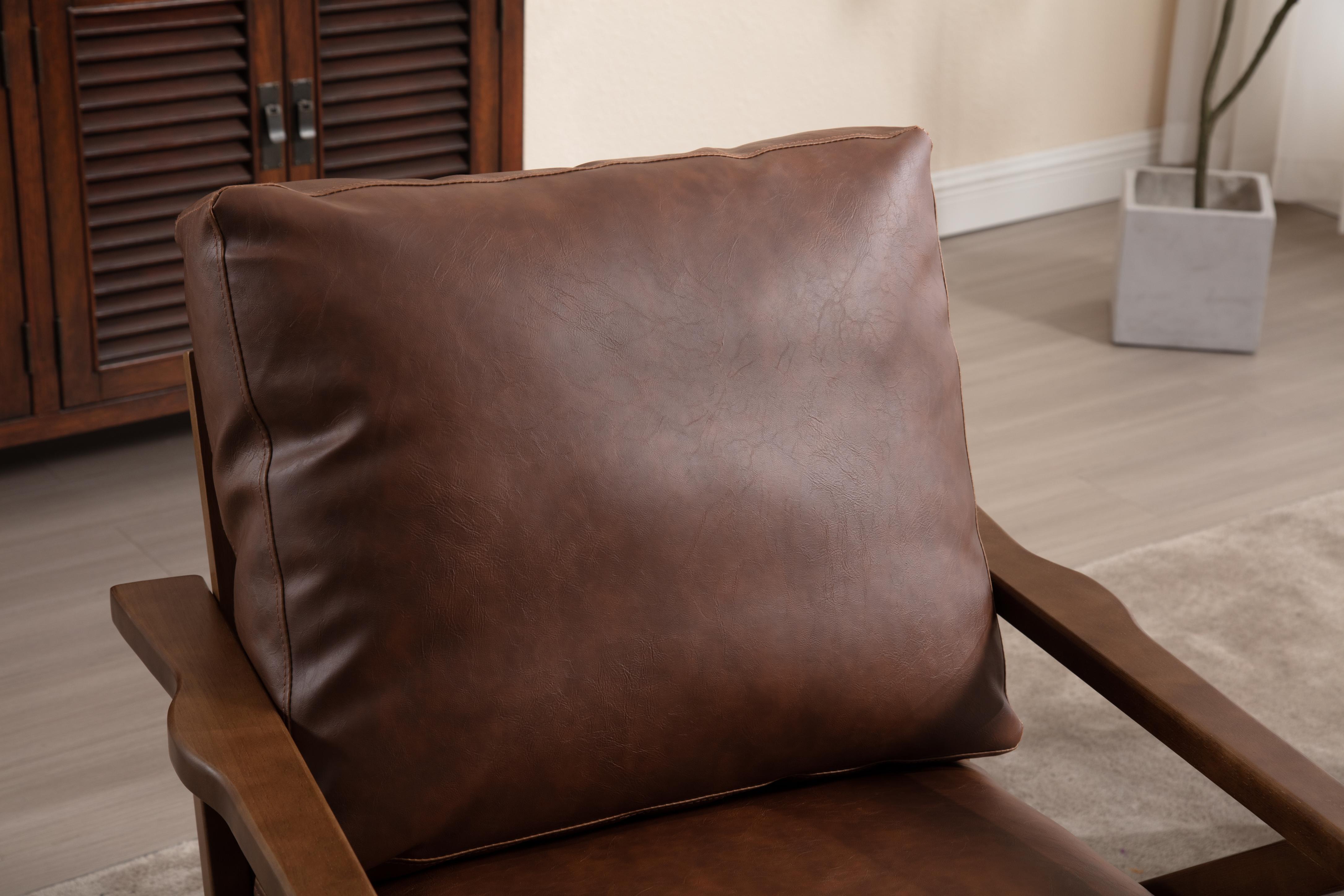
Cream bouclé, beige fabric, charcoal upholstery, and cognac leather can all add character while remaining easy to style. For a minimalist living room, a cream bouclé chair lets texture and shape become the statement rather than color.
Charcoal grey works particularly well when you want a chair with more visual weight, while cognac leather brings organic richness and can ground lighter color palettes. Pair either with warm wood, a small side table, textured cushions, or a floor lamp to create a cozy reading nook.
Dayalane's current accent chair range offers several examples of this approach. The Jessie Mid-Century Modern Accent Armchair comes in beige linen, beige bouclé, and charcoal bouclé, while the Tucker Upholstered Accent Chair is available in cream-white bouclé and warm brown faux leather.
These quieter accent chair colors are especially useful if you like changing throw pillows, rugs, and seasonal decor without replacing your furniture.
.jpg?w=4344&h=2896)
Use Bold Colors to Create a Focal Point
If the rest of your living room is relatively restrained, a bold chair can instantly give the space more personality.
Emerald or deep forest green pairs beautifully with neutral sofas and warm wood tones. Against cream upholstery, green can feel rich without becoming overpowering. Navy blue offers a similarly sophisticated anchor and looks particularly polished beside camel or warm brown furniture.
For something warmer, mustard yellow creates a cheerful focal point against a dark charcoal gray sofa. Rust and terracotta also work beautifully with charcoal, warm gray, olive, or sage green, making them a natural fit for modern minimalist and relaxed boho interiors.
Blush pink creates a softer atmosphere, while plum adds dramatic refinement. Cobalt blue is a more energetic choice when you want an artistic or eclectic feel.
The key is restraint. If the chair is your splash of bold color, let surrounding furniture stay quieter. A few smaller decorative details can repeat that color and make the choice feel intentional rather than random.
For a real Dayalane option, the Whitley Minimalist Chenille Armchair currently comes in cream white, charcoal gray, rust orange, and dark teal green, giving you both understated and more expressive directions within the same clean-lined design.
Think About the Chair's Style and Purpose, Too
Color matters, but so does the type of chair you are bringing into the room.
Wingback chairs have a high back with distinctive side wings and often suit a more traditional setting. Slipper chairs are armless and lower to the ground, making them a useful option where you want less visual bulk. Club chairs tend to have deeper, wider seats and plush cushioning, while lounge chairs prioritize relaxation with generous seating and a more laid-back posture.
Swivel chairs are particularly useful in flexible living spaces because they can turn between different areas of the room. The Dayalane Asher Swivel Lounge Chair, for example, has a 360-degree swivel and is offered in Cognac Brown genuine leather, Ivory linen, and Dark Mocha Brown chenille. That makes the same silhouette suitable for very different color schemes.
Consider where the chair will sit as well. An accent chair beside a window with a floor lamp can turn an unused corner into a reading area. A chair facing the sofa encourages conversation, while two chairs placed together can create a secondary seating area. Two contrasting accent chairs can even give the room a more curated, designer feel.
Let Texture Change How the Color Feels
Don't judge color separately from materials.
The same cream tone feels very different in smooth leather, soft linen, chunky bouclé, or plush chenille. Textured fabrics add depth to neutral colors, while leather can make brown and cognac shades feel richer and more structured.
This is particularly important in a room with neutral furniture. Instead of introducing several new colors, you can combine wood, upholstery, cushions, and woven textures to create visual appeal.
Natural light matters too. A chair beside a bright window may appear lighter during the day, while the same upholstery can look deeper in a darker corner. If possible, consider the chair color in relation to the lighting conditions where it will actually sit.
So, What Color Accent Chair Should You Choose?
Start with the mood you want the living room to have.
Choose cream, beige, or soft gray if you want something calm and versatile. Try charcoal, brown, or cognac for warmth and grounding. Reach for forest green, navy blue, rust, or another bold shade when the chair needs to become a focal point.
Most importantly, the right accent chair should feel connected to the rest of your house rather than added as an afterthought. Look at your existing furniture, repeat a color or material elsewhere in the room, consider the natural light, and choose a chair you will actually enjoy sitting in.
After all, the perfect addition to a living room should do both: make the space look more considered and give you a comfortable place to rest.
Dayalane's current accent and lounge-chair assortment includes mid-century armchairs, curved upholstered designs, swivel chairs, bouclé styles, leather options, and chairs with ottomans, which makes these product references consistent with the actual assortment rather than invented examples. The broader Dayalane strategy also identifies accent chairs as a strong “room refresh” category—one statement chair can add personality without requiring the customer to replace all of their existing furniture.