


For many shoppers, buying dining chairs online feels simple until the chair arrives and reality sits down first. The seat is too narrow. The cushion feels thin after 20 minutes. The back does not support a taller frame. The chair looks beautiful beside the table, but it was clearly designed more for photos than real bodies.
That is why upholstered dining chairs for heavy and tall people need a different buying lens. This is not only about style. It is about seat width, support, cushion firmness, frame strength, back height, table clearance, and whether the chair can handle everyday meals, long conversations, remote work, and holiday hosting without feeling fragile.
For US furniture shoppers, this matters even more because dining chairs often do double duty. They are used for family dinners, laptop work, weekend hosting, homework, game nights, and sometimes as extra seating in open-plan living spaces. Dayalane’s US market opportunity is strongest around modern seating that feels stylish, practical, and accessible for real homes, especially dining chairs and sofas focused on everyday comfort.
The short answer
The best upholstered dining chairs for heavy and tall people should have a wider seat, firm cushioning, a supportive back, a strong frame, stable legs, and enough seat height to work comfortably with a standard dining table. Look beyond soft fabric and pretty curves. A good chair should make sitting down feel secure, give your thighs and back enough room, and stay comfortable through a full meal.
For taller shoppers, back height and seat depth matter. For heavier shoppers, frame stability, cushion density, leg construction, and weight capacity matter. For families, pet owners, and frequent hosts, fabric cleanability becomes just as important as comfort.
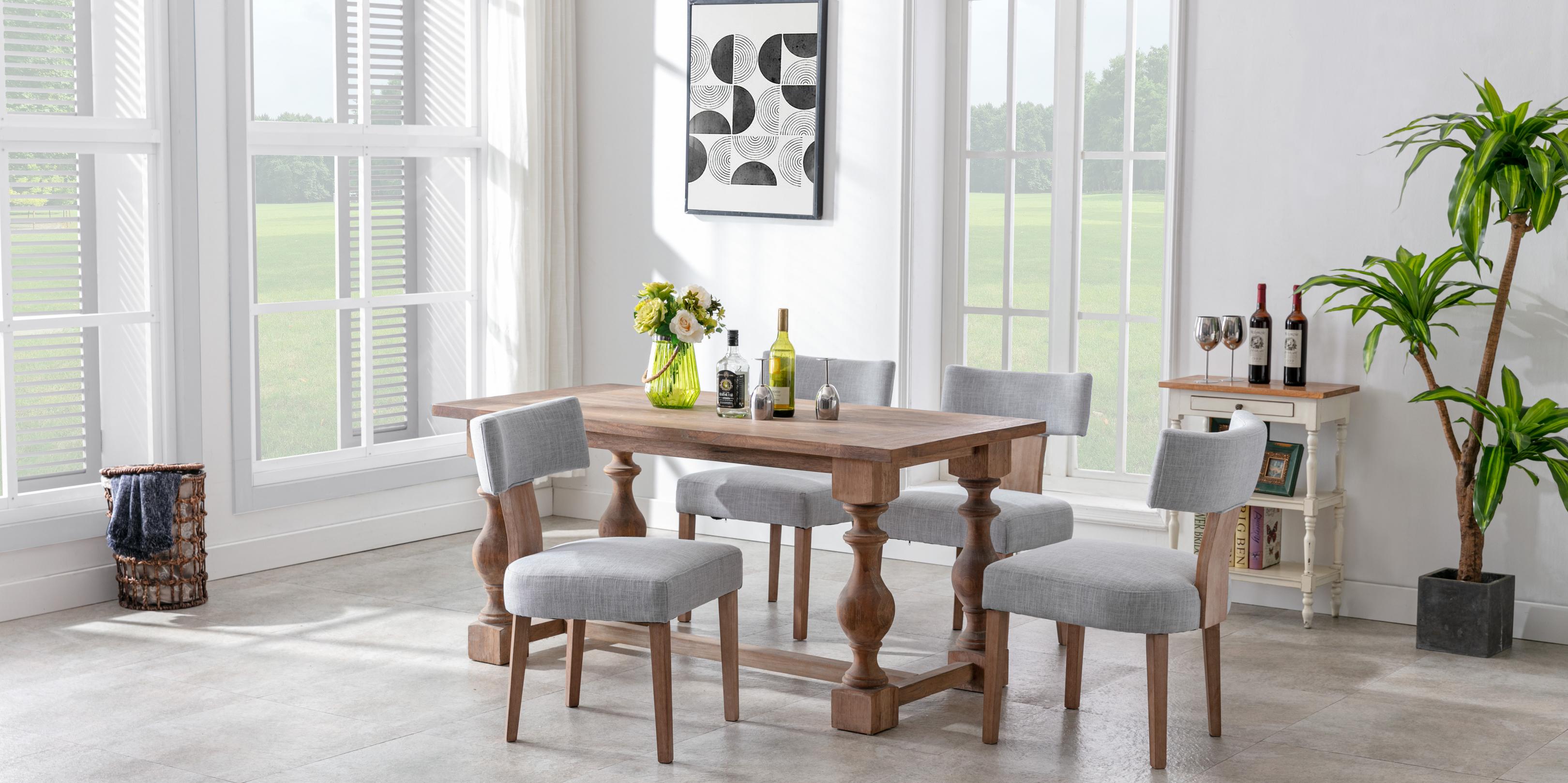
Why regular dining chairs often disappoint bigger bodies
Many dining chairs are designed around average proportions. That can make them feel tight or unsupportive for people who are tall, broad-shouldered, long-legged, or heavier than average. A narrow seat can press against the hips. A shallow seat may not support the thighs. A low back can leave taller users feeling like they are perching instead of settling in.
The pain point is not vanity. It is comfort and confidence. Nobody wants to worry whether a chair feels sturdy when they sit down. Nobody wants to shift constantly during dinner because the cushion bottoms out. Nobody wants dining chairs that look elegant but make guests uncomfortable.
Research shows that dining chair shoppers in the US commonly compare comfort, size, stain resistance, durability, easy cleaning, back support, and whether the chairs work for daily family use or long hosting moments. That is exactly the decision path heavy and tall shoppers follow, only with higher expectations for support.
What to look for in upholstered dining chairs
Start with seat width. A roomier seat gives more comfort through the hips and allows people to sit naturally instead of squeezing into the chair. If you are buying for a mixed household or guests, wider upholstered chairs are usually safer than slim-profile chairs.
Seat depth is equally important for taller people. A deeper seat can support longer legs better, while a very shallow chair may make the user feel pushed forward. The goal is balance: deep enough for thigh support, but not so deep that shorter guests cannot sit comfortably.
Cushion firmness also matters. Soft cushions may feel inviting in photos, but they can compress quickly. Heavy and tall users often do better with supportive foam that feels cushioned without sinking too much. A dining chair should not feel like a sofa, but it should have enough padding for a long dinner.
Back support is another key detail. Taller people should look for a chair with a higher or better-shaped backrest. A gently curved upholstered back can feel more comfortable than a flat panel because it supports the spine during longer sitting.
Frame construction should never be ignored. Solid wood, reinforced metal, or well-built engineered frames usually provide better confidence than lightweight decorative frames. Check the listed weight capacity whenever available, and avoid chairs with vague product details. Strong ecommerce content should include real specs, dimensions, compatibility, materials, and durability guidance because these details help shoppers make safer decisions.
Best chair features by buyer type
|
Buyer type |
What matters most |
Best feature to prioritize |
|
Tall adults |
Leg comfort, back support |
Deeper seat and taller back |
|
Heavier adults |
Stability, strength |
Strong frame and stated weight capacity |
|
Families |
Spills, daily use |
Easy-clean upholstery |
|
Hosts |
Long sitting comfort |
Firm cushion and supportive back |
|
Remote workers |
Posture and durability |
Ergonomic back and stable base |
|
Pet owners |
Hair, scratches, stains |
Textured or wipeable fabric |
Upholstery choices: comfort versus maintenance
Upholstered dining chairs are popular because they soften the dining room. They make a table feel warmer, more comfortable, and more inviting. For heavy and tall people, upholstery also adds pressure relief that hard wood or plastic chairs cannot offer.
Still, fabric choice matters. Boucle can look cozy and modern, but it may hold crumbs or pet hair. Velvet feels soft and elevated, but buyers should check care instructions. Faux leather or PU leather can be easier to wipe clean, which works well for families and hosts. Textured woven fabrics can hide small marks better than smooth light fabrics.
The best choice depends on lifestyle. A couple furnishing a modern apartment may care most about style and softness. A family with kids may want easy cleaning. A pet owner may prefer darker, textured upholstery. A holiday host may want a chair that looks elegant but still feels comfortable after dessert.
How to match the chair with your dining table
For heavy and tall shoppers, fit is not only about the chair. It is also about how the chair works with the table. Before buying, check seat height, arm height if the chair has arms, chair width, and how far the chair can tuck under the table.
A common mistake is choosing a plush upholstered chair that is too bulky for the dining area. In small apartments or breakfast nooks, wide chairs may feel luxurious but crowd the walking path. In larger dining rooms, larger upholstered chairs can create a more grounded, premium look.
Dayalane’s US positioning is strongest when it helps shoppers make these practical choices: modern furniture that looks elevated, feels comfortable, ships easily, and works for everyday family life. For this topic, that means the best chair is not just the most stylish one. It is the one that fits the person, the table, and the room.
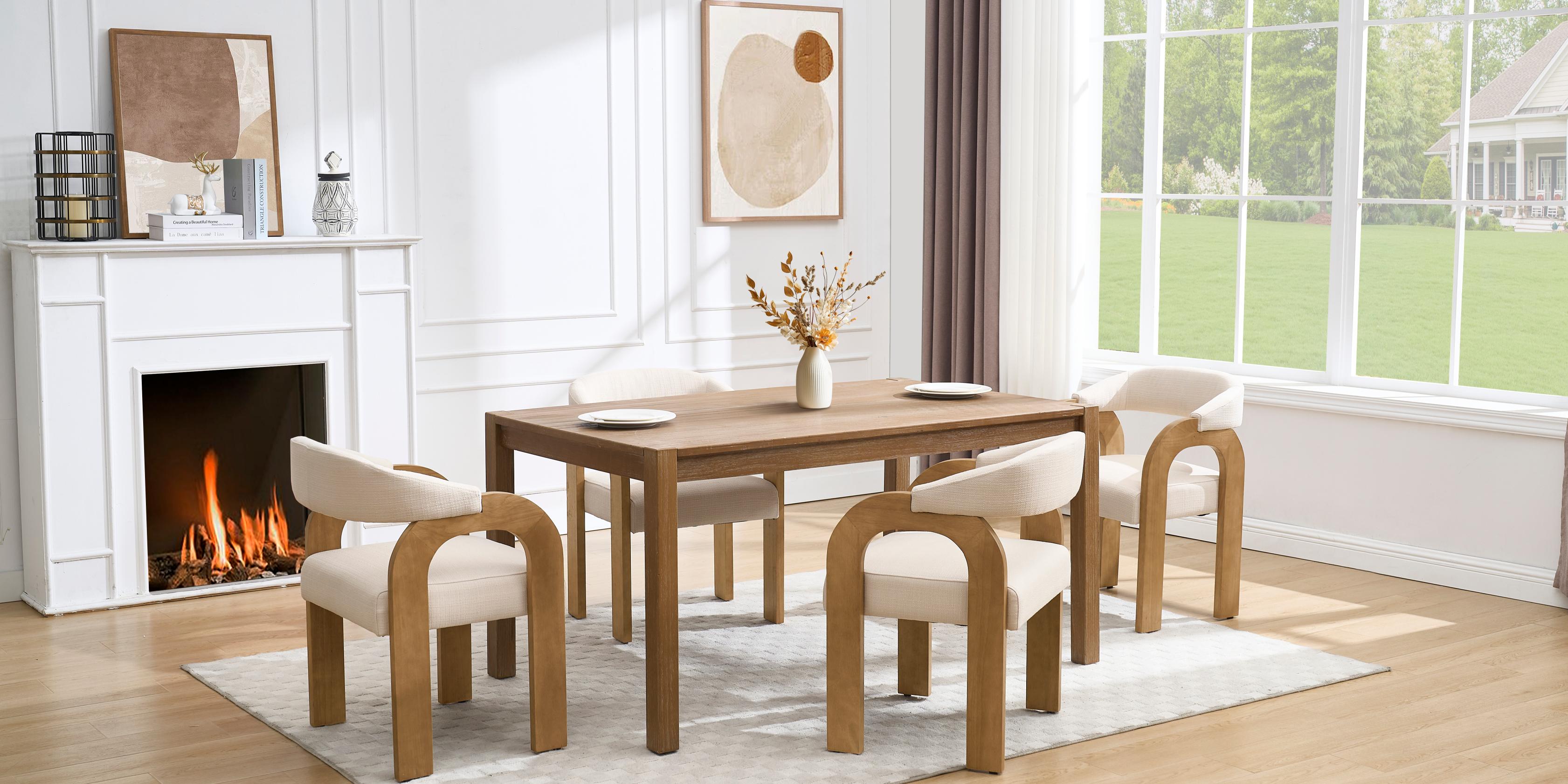
A more human way to buy dining chairs
Heavy and tall people are often forced to read between the lines when shopping for furniture online. They zoom in on legs. They scan reviews for words like “sturdy” and “comfortable.” They look for photos from real homes because polished studio images rarely answer the real question: will this chair feel good for me?
A better product page should answer that directly. It should show dimensions, weight capacity, materials, cushion feel, care instructions, delivery details, return policy, and real buyer feedback.
Final thought
The right upholstered dining chair should make people feel welcome before dinner even begins. For heavy and tall shoppers, that welcome comes from space, support, stability, and honest product details. Style still matters, of course. A dining room should look beautiful. But beauty should not come at the cost of comfort.
Choose chairs with generous proportions, firm cushioning, strong construction, easy-care upholstery, and clear specifications. When a chair supports real bodies and real routines, it becomes more than dining furniture. It becomes the seat people naturally choose to stay in longer.