


When people shop for dining chairs, they often notice style first: the color, upholstery, shape, visual appeal, clean lines, or whether the chairs pair beautifully with the dining table. But after a few daily meals, long meals, or laptop sessions at the dining room table, comfort becomes more important than the first impression. That is when the real question appears: in the firm vs soft dining chair debate, which seat is actually better for your posture?
The best choice for most homes is usually a medium-firm cushion, especially for upholstered dining chairs used for everyday use. A good cushion should feel comfortable when you sit, but it should also provide better support so your body does not sink too deeply. Proper posture depends on a stable sitting position, the right seat height, suitable seat depth, enough seat width, and a backrest that supports the natural curve of your spine.
For modern homes, the perfect dining chairs are not only about beauty. They need to work in real dining environments: small spaces, family dining areas, apartments, open-plan rooms, and formal dining spaces where people want to sit comfortably without feeling cramped.
Why Cushion Firmness Matters in Dining Chairs
Seat cushions affect how your body weight is distributed. If the cushion density is too soft, your hips may sink lower than your knees, making it harder to maintain proper posture. A soft chair may feel cozy at first, but during extended use, it can encourage slouching and reduce back support.
A firmer seat gives the body a more stable base. This can help your feet rest flat on the floor, your shoulders relax, and your spine stay closer to its natural curve. For people who use dining room chairs for work, homework, reading, or long meals, firmness can make the entire dining experience more comfortable.
That does not mean hard surfaces are better. A wooden dining chair, metal chairs, or wood chairs without cushioning can offer structure, but they may create pressure points if used for long periods. Upholstered chairs solve this problem by adding padding, upholstery, and softness while still offering the structure needed for good sitting position.
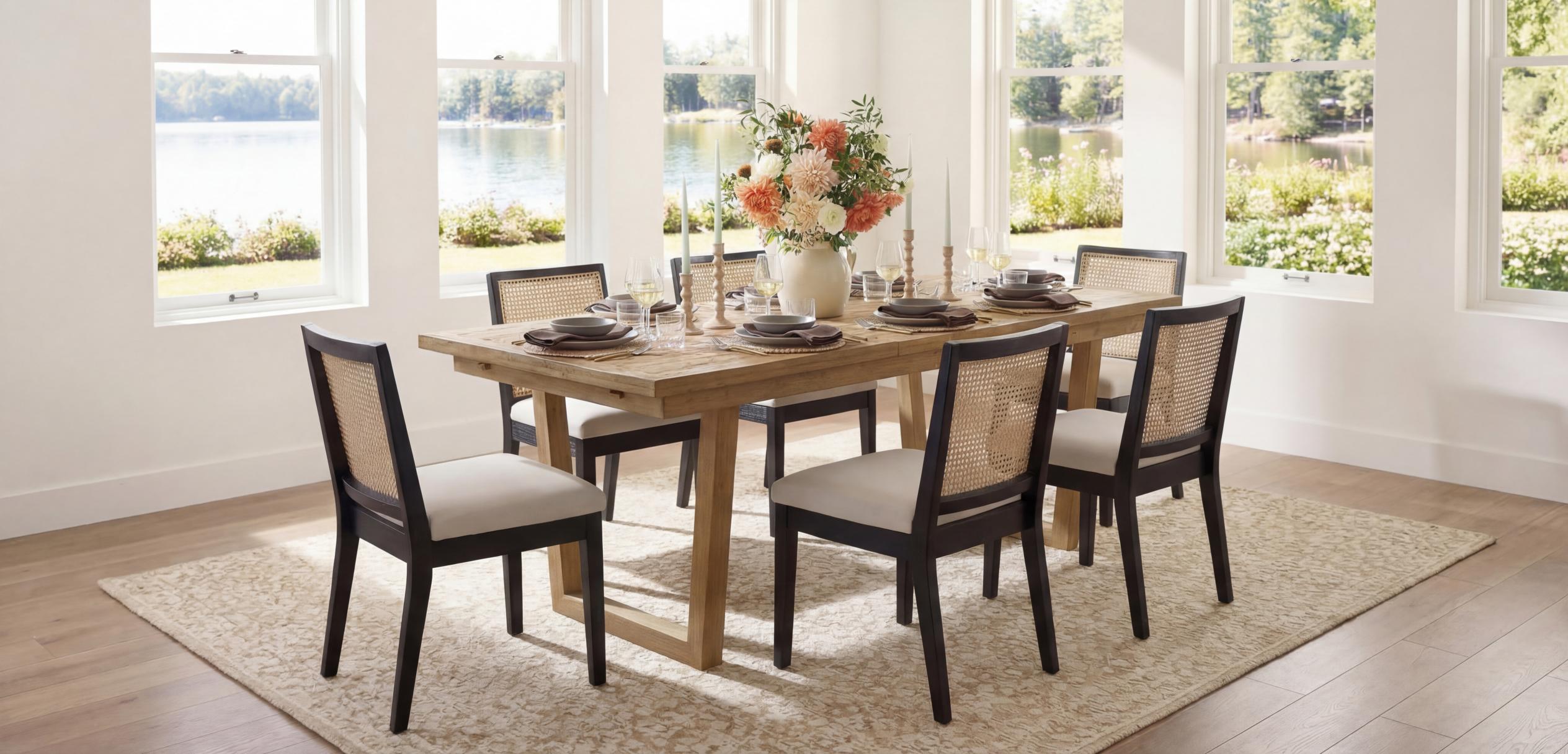
Firm Dining Chair Cushions: Best for Support
Firm upholstered dining chairs are often better for posture because they resist deep compression. They help keep the body lifted, making it easier to sit upright and stay aligned with the table properly. This is especially useful around standard dining tables, where table height, chair height, and standard seat height need to work together.
A firm cushion is a smart choice for people who want quality dining chairs that hold their shape over time. It can also reduce premature wear because the cushion does not flatten quickly under regular body weight. For long term value and long term performance, firmness often matters as much as the frame materials.
High quality dining chairs usually combine a supportive cushion with a durable frame. Solid wood frames, engineered wood frames, and strong construction details such as mortise and tenon joints can improve stability. A simple wobble test can also tell you whether a chair feels steady enough for daily use.
Firm cushions are ideal for:
Homes where people sit for long meals
Dining spaces that double as work areas
Families that need dining chairs for everyday use
Shoppers who want good quality and better support
People with different body types who need stable seating
The possible downside is that a very firm seat may feel too rigid if the chair has poor padding or the seat depth is not right. Firm should not mean uncomfortable. The goal is supportive, not stiff.
Soft Dining Chair Cushions: Best for Immediate Comfort
Soft seat cushions feel inviting. They create warmth, visual harmony, and a relaxed atmosphere in the dining room. A soft chair can make the dining area feel more welcoming, especially when the upholstery has a cozy texture or the chair has rounded lines.
Soft upholstered dining chairs are popular because they soften the visual weight of a room. They work well with wood chairs, metal chairs, and even a wooden dining chair used as an accent. In small spaces, softer shapes can make the dining space feel less formal and more livable.
The problem comes when softness goes too far. If the cushion collapses under body weight, the seat height changes as soon as you sit. That can throw off the relationship between the chair height and table height. Your elbows may no longer have enough elbow room, your feet may not rest flat, and your posture can suffer.
Soft cushions are best when they still have structure underneath. Look for quality dining designs with resilient foam, strong upholstery, performance fabrics, and a supportive backrest height. These details help the chair feel comfortable without losing support.
A soft cushion may be a good choice if your dining room chairs are mostly used for shorter meals, occasional guests, or a more relaxed dining experience. For extended use, a soft seat needs enough density to prevent sinking.
Medium-Firm Cushions: The Best Choice for Most Dining Rooms
For most dining chairs, medium-firm is the safest and most practical choice. It gives you enough room to sit comfortably while still keeping the seat stable. It works well for daily meals, long meals, small spaces, and mixed dining environments where one set of chairs has to serve many people.
Medium-firm upholstered dining chairs also fit different body types better than very soft or very hard options. They allow some natural movement without making the sitter feel unsupported. That balance is important because good posture is not about sitting frozen in one shape. It is about having enough support for natural movement.
For a dining room used every day, medium-firm cushions often deliver the best mix of comfort, posture, and long term value. They feel comfortable at first sit, support the body during extended use, and usually maintain their shape better than overly soft cushions.
Seat Height, Seat Depth, and Chair Width Matter Too
Cushion firmness is only one part of choosing the perfect dining chairs. Seat height, seat depth, chair width, seat width, backrest height, and overall shape all affect whether you can sit comfortably.
Most standard dining tables are about 28 to 30 inches high, and many dining chairs use a standard seat height of around 18 inches. The goal is to have enough space between the seat and the table so your legs are not trapped, while still allowing your arms to rest naturally. If the chair is too tall, your knees may feel crowded. If it is too low, your shoulders may rise and your posture may collapse.
Seat depth is equally important. A deep seat may feel lounge-like, but it can make shorter users perch forward. A shallow seat may not give enough thigh support for taller users. Chair width also matters, especially when deciding how many chairs can fit around a table.
As a practical rule, leave enough room between chairs so people have elbow room and do not feel cramped. In smaller dining areas, slimmer chairs with clean lines may create more space. In larger dining rooms, wider upholstered dining chairs can add comfort and stronger visual appeal.
Materials, Upholstery, and Everyday Performance
The best dining chairs combine comfort with materials that match your lifestyle. Upholstered dining chairs with performance fabrics are a strong choice for families, pet owners, and people who use the dining area every day. Performance fabrics can help protect against spills, stains, and premature wear while keeping the chair looking polished.
Solid wood and engineered wood frames both appear in many quality dining chair designs. Solid wood offers timeless appeal and a natural feel, while engineered wood can provide consistency and value when used well. Metal chairs may be slimmer and modern, while wood chairs often feel warmer and more classic.
A good dining chair should also pass the feel test. Sit in the seat. Check whether your feet rest flat on the floor. Notice whether the cushion supports your body weight evenly. See if the back support meets your body in the right place. Do a gentle wobble test. The chair should feel stable, balanced, and comfortable enough for extended use.
How to Choose the Right Cushion for Your Dining Space
Choose a firmer cushion if you want better support, proper posture, and long term performance. This is a good option for people who sit at the dining table for work, long meals, or daily family use.
Choose a softer cushion if your priority is a cozy feel, visual softness, and short-term comfort. Just make sure the cushion density is strong enough to avoid sagging.
Choose a medium-firm cushion if you want the most balanced option. For most dining rooms, this is the best answer. It offers support without feeling hard, comfort without sinking, and enough structure for everyday use.
When comparing upholstered chairs, wooden dining chair styles, metal chairs, or mixed-material dining room chairs, do not focus only on exact matches with your table. Visual harmony matters, but comfort matters more once the chair becomes part of your daily routine.
The Bottom Line
In the firm vs soft dining chair conversation, posture usually favors medium-firm support. A very soft chair may feel comfortable at first, but it can make it harder to maintain proper posture during long meals or extended use. A very firm chair may support the body well, but it can feel uncomfortable if the seat cushions lack enough padding.
The best dining chairs give your body enough room, support your natural curve, fit standard dining tables, and make the dining experience feel easy. Whether you choose upholstered dining chairs, wood chairs, metal chairs, or a wooden dining chair with a cushion, look for balance: supportive cushion density, comfortable seat depth, proper seat height, stable materials, and a design that fits your dining space.
A dining chair should not only look good beside the table. It should help you sit comfortably, move naturally, and enjoy daily meals without thinking about your back.