


If you’re shopping for stools for a kitchen island, breakfast bar, or open dining space, you’ve probably come across two very similar terms:bar stools and counter stools.
They may look almost identical, but they aren’t necessarily interchangeable. The biggest difference in the bar stool vs. counter stool debate is height—and a few inches can make a surprisingly big difference in how comfortable your seating feels.
Choose a stool that’s too tall, and there may not be enough room for your knees. Choose one that’s too short, and you can end up reaching awkwardly toward the countertop.
Here’s how to choose the right height, spacing, and style for your home.
Bar Stool vs. Counter Stool: The Quick Answer
The main difference between bar and counter stools is seat height.
|
Type |
Typical Seat Height |
Best Surface Height |
|---|---|---|
|
Counter stool |
24–26 inches |
34–36 inches |
|
Bar stool |
28–32 inches |
40–42 inches |
Most counter stools are designed for a standard kitchen counter or island. Bar stools are taller and work with raised bar-height surfaces.
For a comfortable fit, aim for about 9 to 12 inches of clearance between the stool seat and the underside of the counter.
That simple measurement is usually the fastest way to decide which stool you need.
What Is a Counter Stool?
A counter stool usually has a seat height of 24 to 26 inches and is designed for counter height seating around surfaces approximately 34 to 36 inches tall.
That makes counter stools a natural fit for many kitchen islands.
They work especially well when the island is used for more than quick drinks. Think weekday breakfasts, homework, coffee, laptop work, or casual dinners with the family.
For everyday use, counter stools are generally more comfortable than bar stools because the lower seat is easier to get into and out of. Comfort still depends on the individual design, though. A supportive backrest, well-positioned footrest, padded seat, and good dimensions can all make a difference.
If your island functions almost like a second dining table, these details are worth paying attention to.
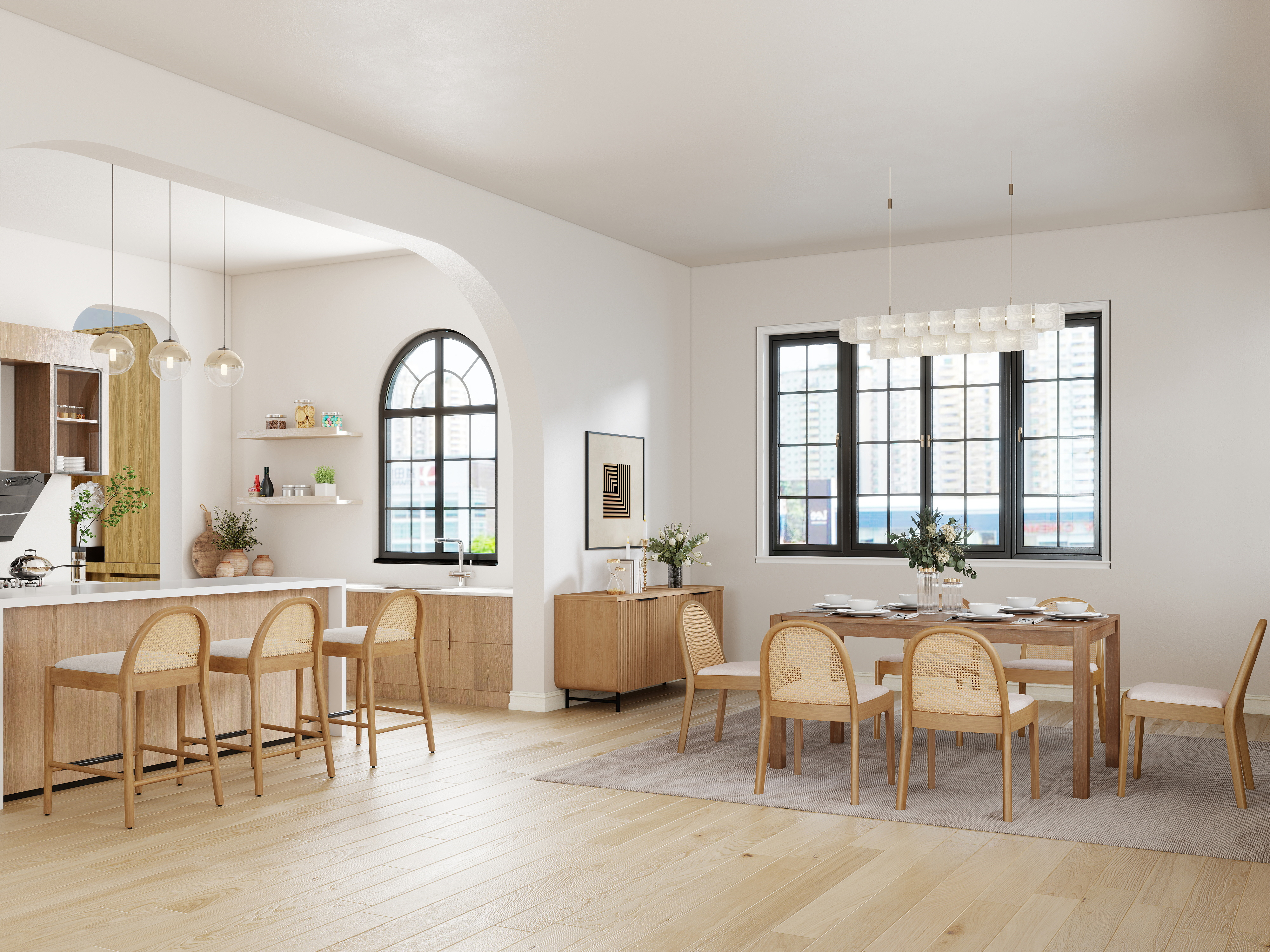
What Is a Bar Stool?
Most bar stools have a seat height around 28 to 30 inches, although some designs can reach approximately 32 inches.
They are made for bar height surfaces, typically around 40 to 42 inches tall.
Because the seating position is more elevated, bar stools can create a slightly more sophisticated, social atmosphere. They are particularly common around home bars, tall tables, and entertainment-focused seating areas.
That extra height can also make it easier for seated guests to see across the room in a busy social setting.
However, long periods on bar stools can become uncomfortable when the stool lacks good foot support or when the height difference between the stool and surface is wrong.
The best rule is simple: let the surface height determine the stool.
How to Measure the Right Stool Height
Don’t guess based on the words “bar” or “counter” in the product name. Measure first.
Start by measuring from the floor to the top of your counter or table.
Then check the stool’s listed seat height. This is more useful than the total height, which may include the backrest.
Ideally, you want about 9 to 12 inches between the seat and counter. A minimum knee clearance of roughly 10 to 12 inches between the stool seat and counter underside is also a useful target.
For example, a 36-inch kitchen island generally pairs well with a stool measuring around 24 to 26 inches from the floor to the top of the seat.
A 42-inch bar, by comparison, usually needs a stool closer to 28 to 30 inches.
.png?w=3033&h=2035)
How Much Space Should You Leave Between Stools?
Getting the right stool height is only part of the job. Your seating area also needs enough horizontal space.
Aim for roughly 26 to 30 inches between stool centers.
This gives people enough room to sit, eat, move their arms, and get up without constantly bumping into one another.
Wider upholstered stools, chairs with arms, and swivel stools may need slightly more room.
For a smaller island, a slim or backless stool can help maintain a more open feel and tuck more easily beneath the countertop.
Backless, Swivel, Wood, or Upholstered?
Once you’ve determined the right height, personal preference comes into play.
Backless stools are useful when saving space is the priority. They can often disappear almost completely underneath the counter.
Stools with a backrest offer more support and are usually more comfortable when people sit for longer periods.
Swivel stools add functionality by allowing you to turn without dragging the entire stool across the floor. That can be especially useful in an open kitchen where guests move between conversations in the kitchen and living room.
Material also changes the feel of the room.
Wood stools offer a classic look and durability, making them easy to pair with modern, traditional, or rustic furniture. Metal stools can create a cleaner, more industrial or urban look. An upholstered stool provides added support and softness, which can make everyday dining more relaxed.
Choosing Dayalane Stools for Your Space
Dayalane’s bar and counter seating assortment gives you several directions to explore once you know the height you need.
Options include the Vintle Bar & Counter Stool, Perch Counter Stools, Walter Cane Counter Bar Stools, Casey Swivel Counter Stools, Ramsey Counter Stools, and Cameo Adjustable Bar Stools.
That variety makes it easier to choose stools based not only on dimensions, but also on how the kitchen is actually used.
A swivel design may suit a social, open-plan room. A cane or wood detail can add warmth and texture. An upholstered counter stool can help turn the island into a more comfortable spot for everyday meals.
Dayalane’s broader brand direction also focuses on modern seating that feels warm, relaxed, and suited to everyday life rather than furniture that only looks good in a showroom.
So, Should You Choose Bar Stools or Counter Stools?
Start with the measurement.
Choose counter stools for a 34- to 36-inch surface and look for a seat height around 24 to 26 inches.
Choose bar stools for a 40- to 42-inch surface and look for a seat around 28 to 32 inches high.
Then consider the way you actually use the space—quick breakfasts, long conversations, family meals, entertaining, or working at the island.
The right stool isn’t simply the one that matches your kitchen.
It’s the one that makes you want to sit there.
Ready to finish your kitchen island? Explore Dayalane’s modern bar and counter stools and find the right height, material, and style for the way you live.