


When shopping for a new chair, the difference between an accent chair vs armchair can seem surprisingly unclear. Both provide seating, both can look great in living rooms, and many designs blur the line between the two.
The easiest way to think about it is this: accent chairs prioritize style and visual interest, while armchairs tend to prioritize comfort and everyday use.
That doesn't mean an accent chair can't be comfortable—or that an armchair can't become a focal point. The right choice simply depends on how you plan to use the chair, how much floor space you have, and what your living space needs most.
What Is an Accent Chair?
Accent chairs are secondary seating pieces chosen largely for their visual impact.
You typically find accent chairs in living rooms, bedrooms, home offices, reading nooks, and empty corners where they can add colour, texture, or personality.
Unlike seating designed to match a sofa exactly, an accent chair can complement existing furniture while still standing out. A vibrant colour, unusual upholstery, tapered wooden legs, an open frame, or a distinctive shape can all add visual interest.
Common chair types include barrel chairs, slipper chairs, club chairs, and swivel chairs. Accent chairs may have armrests, but some are completely armless.
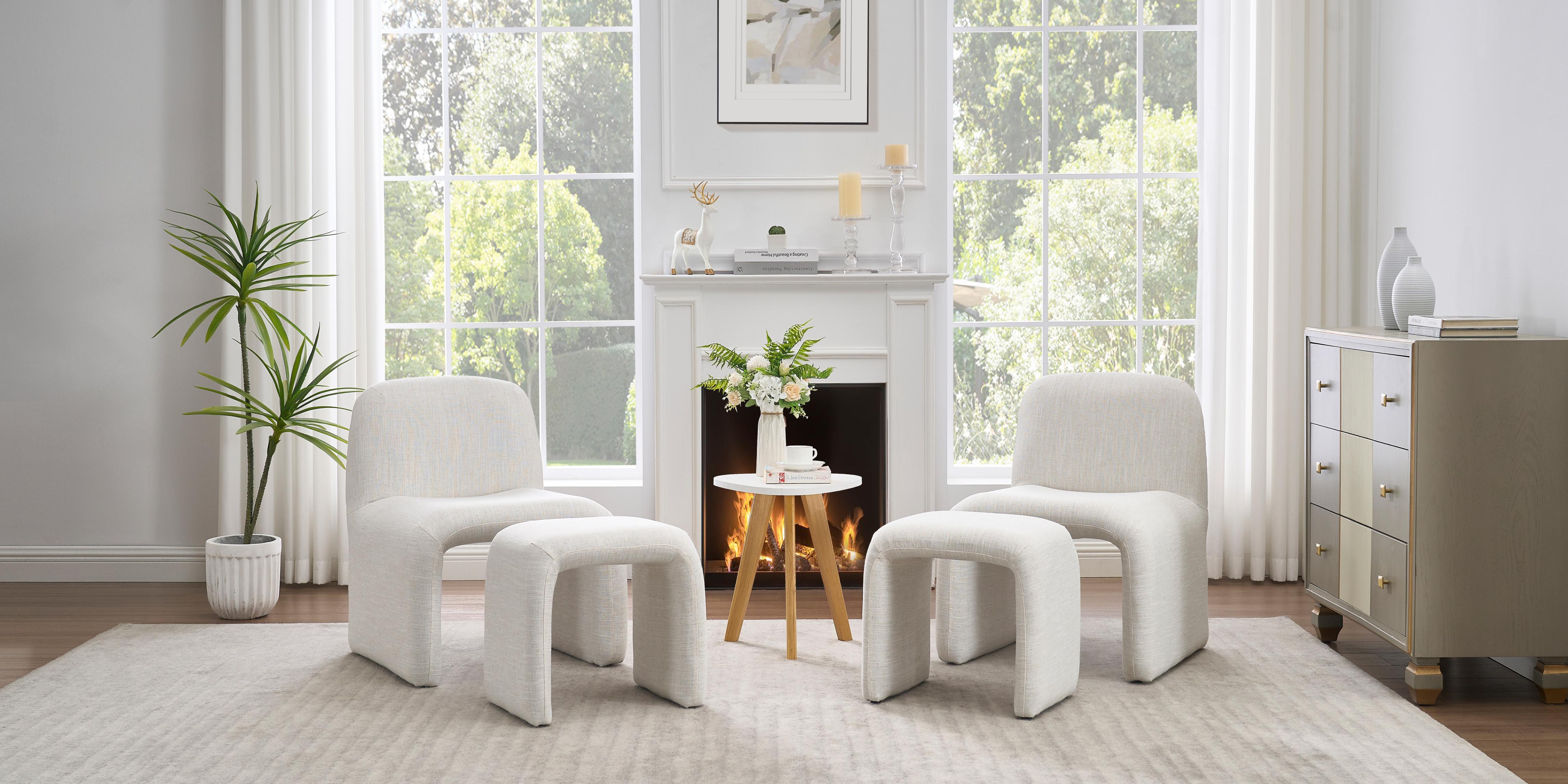
A slipper chair, for example, usually has a lightweight construction and compact form, making it useful in small spaces. Swivel chairs offer more flexible seating because they can turn toward different conversation areas.
In short, accent chairs serve two different purposes: they provide additional seating while adding personality to the room.
What Is an Armchair?
An armchair is generally designed with comfort and support more firmly in mind.
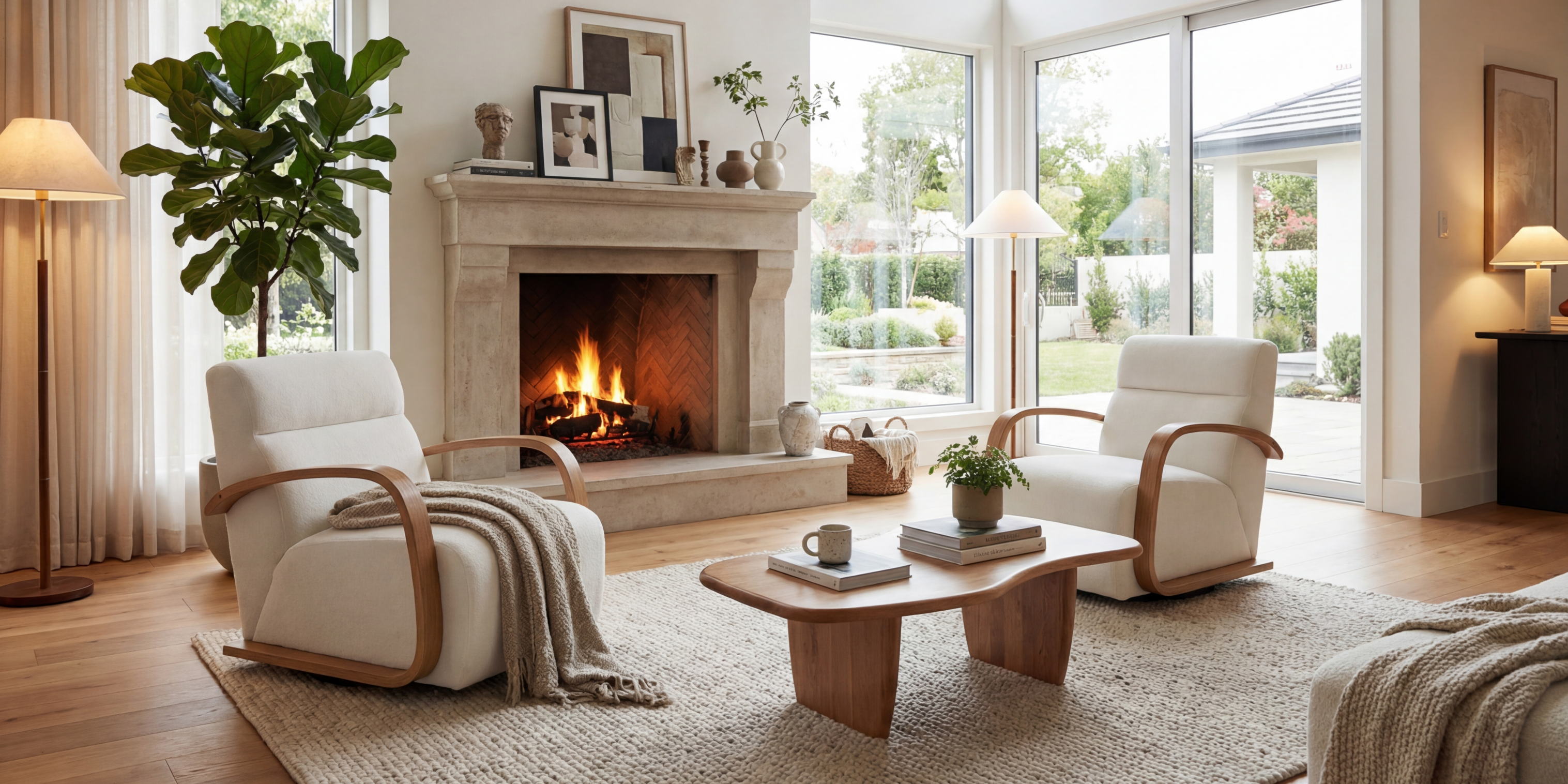
Armchairs typically have substantial armrests, a wider upholstered seat, and deeper seats than many decorative accent chairs. They're often a better choice when you want a comfortable place to read, relax, watch television, or sit for long periods.
A comfortable armchair may also provide more back or lumbar support, making it better suited to long sitting sessions.
Because armchairs tend to be larger and heavier, they usually need a more permanent spot in the room. Rather than being moved whenever you need extra seating, an armchair can anchor the main seating group alongside a sofa and table.
DAYALANE's Whitley Accent Armchair illustrates how these categories can overlap. It combines clean lines and a modern appearance with thick cushioning, high-density foam, and a substantial upholstered seat designed for relaxation.
Accent Chair vs Armchair: Key Differences
The key differences become clearer when you compare how each type of chair is normally used.
Style
Accent chairs often make a stronger visual statement.
They may feature bold colours, distinctive fabrics, leather, unusual shapes, or contrasting materials. Their job is often to add visual interest to an otherwise neutral room.
Armchairs can certainly be stylish, but comfort generally plays a larger role in the design.
Comfort
If you're planning to sit for long periods, an armchair is usually the safer choice.
Its deeper seat, supportive back, padded armrests, and more substantial upholstery can provide better long-term comfort.
Accent chairs can still offer comfortable seating, but some are designed more for occasional use than prolonged relaxation.
Size
Accent chairs are often lighter and smaller, which gives them more flexibility.
They can fill empty corners, add extra seating for guests, or move between conversation areas when needed.
Armchairs generally require more floor space because of their deeper seats and substantial arms.
Purpose
An accent chair adds personality.
An armchair gives you somewhere to settle in.
That's the simplest chair vs chair distinction, although many modern designs successfully do both.
When Should You Choose an Accent Chair?
Choose an accent chair when your room needs visual energy or flexible seating.
Perhaps you have a neutral sofa and want a pop of colour. Maybe an empty corner beside a window looks unfinished. Or perhaps you need an occasional chair that can be moved when guests arrive.
Accent chairs work especially well when you want to:
-
add visual interest to existing furniture
-
introduce new colours, fabrics, or texture
-
create extra seating without using too much space
-
complete a reading nook
-
add personality to bedrooms or home offices
-
create a focal point in a living room
For compact spaces, DAYALANE's Chloe Accent Chair uses a minimalist form and is designed to work in both smaller apartments and larger rooms. Its thick upholstered cushion also shows that choosing an accent chair doesn't necessarily mean giving up comfortable seating.
When Is an Armchair the Right Choice?
Choose an armchair if comfort comes first.
If your ideal evening involves sitting with a book, resting after work, or watching television for a couple of hours, a supportive armchair will generally make more sense than a lightweight occasional chair.
Look at seat depth, upholstery, armrests, cushion support, and the angle of the backrest.
DAYALANE's Beth Sling Accent Chair is another useful example of how the boundaries overlap. It combines the visual character of an accent piece with a slightly tilted backrest, arm support, and cushioning intended for reading, coffee, movies, and relaxation.
For even more flexible seating, the Soren Swivel Lounge Armchair includes a 360-degree swivel base, allowing the chair to turn between conversation areas while providing a relaxed, supportive seat.
Can an Armchair Also Be an Accent Chair?
Absolutely.
This is why accent chair vs armchair isn't always a strict either-or decision.
A comfortable armchair upholstered in an unexpected colour or leather can serve as an accent. Likewise, a statement chair with substantial arms and supportive cushioning can work beautifully for everyday use.
DAYALANE even offers several products specifically described as accent armchairs, including the Whitley Accent Armchair, reflecting how modern chair types increasingly combine aesthetics and function.
Instead of focusing too much on the label, think about the actual features you need.
How to Choose the Right Chair for Your Space
Before buying, measure your room.
Consider the chair's width, seat depth, surrounding furniture, and the amount of comfortable movement you need around it. A beautiful chair is not the right choice if it overwhelms the room or blocks a walkway.
Then ask yourself three questions:
How often will I use it?
For occasional seating, an accent chair may be enough. For long sitting sessions, prioritize a comfortable armchair.
What does the room need visually?
If the space feels plain, an accent chair with distinctive upholstery, colour, or texture can make a noticeable difference.
How much space do I have?
Small spaces often benefit from lighter accent seating, while larger living rooms can comfortably accommodate deeper armchairs.
Accent Chair vs Armchair: Which Should You Buy?
If style, flexibility, and adding personality are your priorities, choose an accent chair.
If deep comfort, support, and regular relaxation matter more, an armchair is likely the better option.
But don't feel forced to choose one extreme.
The best modern chairs often sit somewhere between the two: visually interesting enough to stand out, yet comfortable enough that you genuinely want to sit in them.
Whether you're filling a corner, creating additional seating, finishing a reading nook, or finding a comfortable place to rest, the right chair should complement your furniture, fit your space, and suit the way you actually live.