


Hardwood floors bring warmth and character to a dining room, but they also come with one familiar worry: scratches from dining chairs.
Think about how often chairs move throughout the day. Kids pull them out for breakfast, friends slide closer to the table, and someone inevitably drags a chair across the floor during dinner.
Over time, these little movements can leave marks on the floor finish.
The good news? You don't have to sacrifice style to protect your hardwood floors. Choosing the right dining chairs for hardwood floors, along with proper felt pads and glides, can help keep your dining space looking beautiful.
Here's what actually matters.
Why Dining Chair Legs Matter for Hardwood Floors
When shopping for upholstered dining chairs, most people focus on fabric, comfort, and style. The chair legs deserve just as much attention.
Every time someone sits down, the chair's weight and the person's weight create pressure on the floor underneath.
A narrow chair foot concentrates more pressure in a small area, while broader contact surfaces help distribute weight. Heavy metal chairs may increase the risk of dents, especially on softer hardwood floors.
The shape of the chair matters, too.
Four-legged dining chairs typically distribute weight across four contact points. Sled-base metal chairs, meanwhile, can spread weight along smooth horizontal bars. Actual floor protection depends on contact area, surface smoothness, and protective materials.
For everyday use, look for stable dining room chairs with smooth, protected feet. Avoid exposed sharp edges, rough metal tips, or damaged plastic glides that could catch on the floor.
Felt Pads, Chair Glides, or Chair Socks: Which Works Best?
Not all chair leg protectors work the same way.
Felt pads and felt glides
Felt pads are a popular choice for wood floors because they reduce friction when chairs move.
Adhesive felt pads are easy to install under flat chair legs. Nail-on felt glides can offer a more secure attachment to compatible wooden legs, although installation requires care to avoid damaging the chair or leaving exposed metal.
Choose pads that closely match the chair foot. A pad that's too small may create uneven pressure, while an oversized pad can catch on the floor.
Silicone caps with felt bottoms
These combine a flexible silicone sleeve with a soft felt base. They can be useful for chairs that move frequently, particularly when adhesive pads tend to fall off.
Chair socks
Fabric chair socks slide over chair legs and help reduce noise. They're convenient for busy households, although they can collect dirt and may not complement every dining room style.
Rubber and plastic glides
Rubber protectors can help reduce unwanted sliding, while some smooth plastic glides are designed for specific flooring surfaces. However, hard plastic may scratch a floor if grit becomes trapped underneath.
For hardwood, soft, floor-compatible protectors are generally the safer starting point.
Dayalane Upholstered Dining Chairs Worth Considering
If you want upholstered dining chairs that look polished while offering thoughtful floor-contact features, Dayalane has several options.
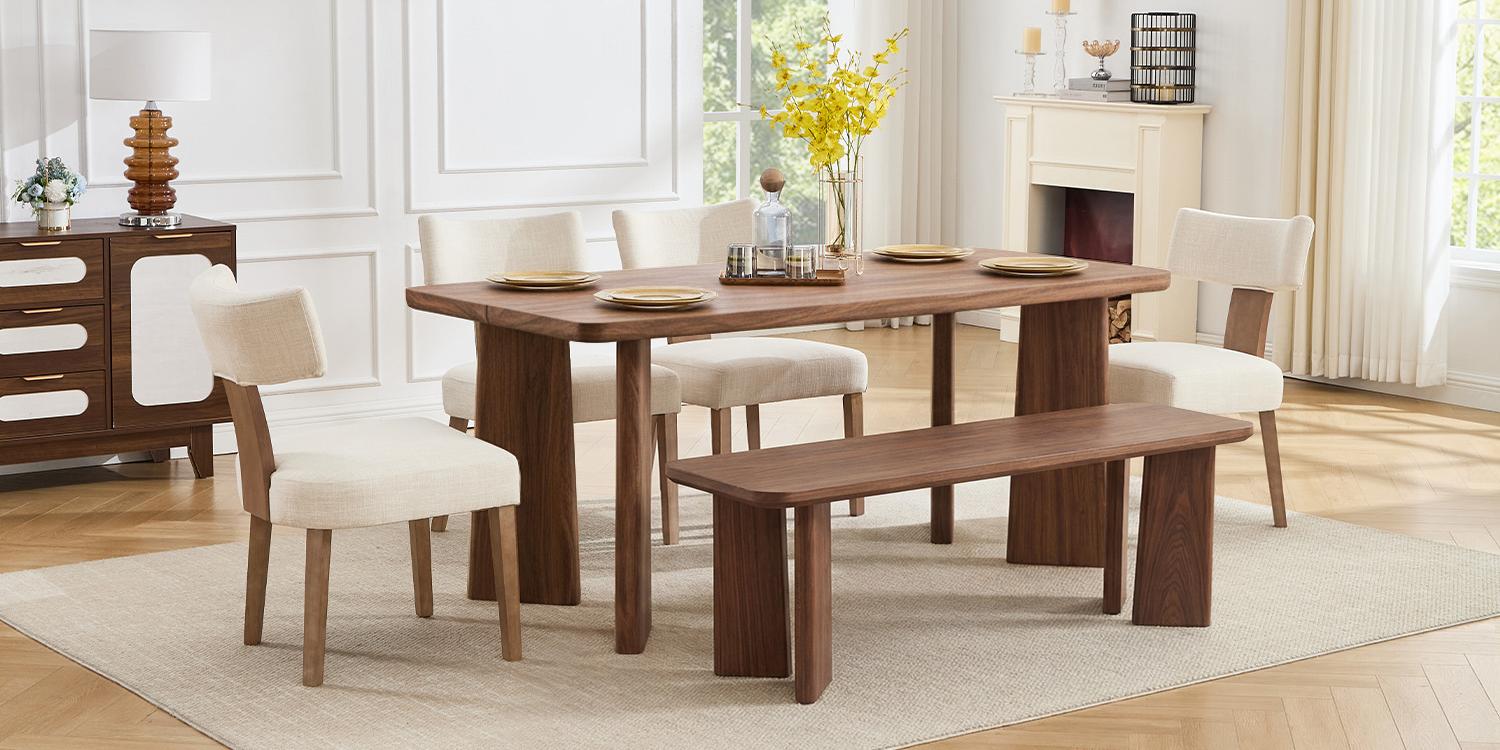
Payson Modern Upholstered Dining Chairs
The Dayalane Payson Dining Chairs combine solid rubberwood frames with tapered legs and non-slip foot pads.
Their curved upholstered backs and linen or velvet options complement modern farmhouse and transitional dining spaces. The included foot pads help protect flooring and reduce movement noise.
Codie Modern Upholstered Dining Chairs
For a relaxed dining area, the Dayalane Codie Dining Chairs feature linen upholstery, solid wood frames, and adjustable foot pads.
These adjustable feet help balance the chairs on slightly uneven surfaces while protecting hard flooring from scratches and scuffs.
Griid Upholstered Wood Dining Chairs
The Dayalane Griid Dining Chairs offer an interesting mix of wood and subtle metal details.
Their solid wood structure includes non-slip foot pads, making them worth considering for a modern dining room with hardwood flooring.
Hank Upholstered Dining Chairs With Arms
For a more formal dining room, the Dayalane Hank Upholstered Dining Chair offers a fully upholstered design, padded armrests, and a solid wood frame.
Adjustable leveling feet help maintain stability on uneven floors while providing a protective barrier between the chair and the flooring.
These models have different protective foot designs, so check the product details and floor compatibility before adding replacement glides or felt pads.
How to Protect Hardwood Floors From Everyday Chair Movement
Even the best floor protectors need occasional attention.
The biggest issue is often something you can't see immediately: dirt and grit trapped beneath chair feet.
When someone pulls a chair across the floor, those tiny particles can act like sandpaper against the finish.
A few simple habits can make a difference:
-
Clean chair feet regularly. Lift each chair and remove trapped grit before it causes scratches.
-
Inspect felt pads. Check for flattened felt, loose adhesive, and exposed edges.
-
Lift rather than drag. Encourage kids and guests to lift heavier chairs when repositioning them.
-
Check for uneven legs. A wobbling chair can create inconsistent pressure and unnecessary movement.
-
Clean the floor gently. Remove dust with a soft broom or suitable vacuum, and follow the flooring manufacturer's cleaning instructions.
Pay particular attention to the chairs everyone uses most often.
How Often Should You Replace Felt Pads?
Felt pads don't last forever.
For frequently used dining chairs, checking the pads every few months is a good habit. Six months can be a useful reminder to inspect them closely, but replacement depends on wear rather than a fixed schedule.
If the felt becomes thin, dirty, compressed, or starts peeling away, replace it sooner.
You might even hear a change. A chair that once moved quietly but now makes a scraping noise could have a worn or missing protector.
Before attaching new pads, clean the chair foot and remove old adhesive residue. A smooth, clean surface helps the new protector stay in place.
Should You Put a Rug Under Your Dining Table?
An area rug can provide another layer of floor protection while creating a polished look in your dining space.
For busy households, choose a rug that extends far enough beyond the table for chairs to remain on it when pulled out.
A low-pile rug is often easier to manage than a thick, fluffy one because chair legs are less likely to catch on its surface.
Make sure the rug backing or pad is compatible with your hardwood floor finish. Some rubber-backed materials can discolor certain finishes.
And don't forget to lift the rug occasionally to remove trapped dirt underneath.
Final Thoughts
Keeping hardwood floors beautiful doesn't mean you have to stop enjoying your dining room.
The right combination of stable chair legs, protective glides, clean felt pads, and regular floor care can reduce scratches and everyday wear.
Whether you prefer a modern upholstered chair with wood legs or a more substantial armchair, take a moment to check what's underneath before buying.
Explore Dayalane's Upholstered Dining Chairs to find comfortable seating that complements your dining room and everyday lifestyle.