


Accidents happen. Whether it is pet urine, cat urine, or human urine, one thing is certain: urine smell can settle into a couch fast if it is not cleaned properly. The good news is that you do not always need to replace your favorite couch or panic about buying new furniture. With the right cleaning methods, you can remove urine, reduce urine odor, and get the smell out of most couch fabric safely.
The key is to act quickly, absorb as much liquid as possible, and use the right odor removal method for your upholstery. Urine is tricky because it contains uric acid crystals, which can create strong smell and lingering smells even after the surface looks clean. That is why simply spraying perfume or using a fresh scent spray will not solve the problem. You need to break down the odor at the source.
Step 1: Blot the Affected Area Right Away
For fresh stains, start by blotting the affected area with paper towels or a clean towel. Press down firmly to absorb as much liquid as you can. Do not rub, because rubbing can push urine deeper into the couch cushion, foam cushions, or upholstery fibers.
If the cushion cover is removable, take it off if the care label allows. This can help prevent the urine from soaking deeper into the foam or reaching the wood frame underneath. The goal is to keep the problem as close to the surface as possible.

Step 2: Use Baking Soda to Absorb Moisture and Odor
Once you have blotted the area, sprinkle baking soda generously over the urine stains. Baking soda is one of the easiest first steps for odor removal because it helps absorb moisture and bad smells.
Let it sit for a few hours, or ideally overnight if the couch fabric can handle it. After the baking soda has had time to absorb the odor, vacuum it thoroughly. This step may not completely eliminate odors on its own, especially with old pet urine or cat urine, but it can make a big difference before deeper cleaning.
Step 3: Try a Vinegar and Warm Water Cleaning Solution
For many fabric couches, white vinegar can help neutralize pee smell. Mix equal parts white vinegar and warm water in a spray bottle. You can also add a few drops of mild dish soap to help lift urine stains from the fabric.
Lightly spray the affected area. Do not soak the couch cushion, especially if you are dealing with foam cushions or a delicate fabric. Let it sit for a few minutes, then blot with a clean towel.
After that, use another towel dampened with plain warm water to remove any leftover vinegar solution. Then let the area air dry until it is completely dry. Good airflow is important because trapped moisture can create new odor problems.
Step 4: Use Enzymatic Cleaners for Pet Urine
For pet owners, enzymatic cleaners are often the real game changer. Products like Nature's Miracle and other upholstery-safe enzymatic cleaners are designed to break down pet urine at the source. Enzymatic cleaners break down uric acid crystals, which are the reason urine odor can keep coming back even after cleaning.
This is especially important for cat urine, which often has a stronger smell than dog urine or human urine. If your pet keeps returning to the same spot, it may be because they can still smell urine residue that you cannot detect.
Spray the enzymatic cleaner according to the product instructions and let it sit long enough to work. Many enzymatic cleaners need several hours to fully break down the odor. Some work best when left to air dry naturally. Always check the cleaner label and test it on a hidden part of the couch first.
Step 5: Deep Cleaning for Lingering Smells
If the urine smell remains after basic cleaning, deeper cleaning may be needed. A fabric-safe upholstery cleaner or carpet cleaner with an upholstery attachment can help pull urine residue from deeper layers.
A steam cleaner may seem like a good idea, but be careful. Heat can sometimes set urine stains and odors if the area has not been treated properly first. For old urine odor, use enzymatic cleaners before considering steam cleaning.
If your couch has removable cushion covers, wash them only if the care label says they are machine washable. Make sure every part is dry completely before putting the cushion cover back on. If moisture stays trapped inside the couch cushion, it can create mildew or more bad smells.
How to Clean Pee Smell From a Microfiber Couch
A microfiber couch can usually handle gentle cleaning, but you should still check the care tag first. Some microfiber is water-safe, while other types need solvent-based cleaning.
For water-safe microfiber, blot the urine, apply baking soda, then use a light vinegar and warm water solution. After cleaning, let it air dry and gently brush the fabric to restore the texture.
For older urine smell, use an upholstery-safe enzymatic cleaner. Avoid over-wetting the microfiber, because too much liquid can leave water rings.
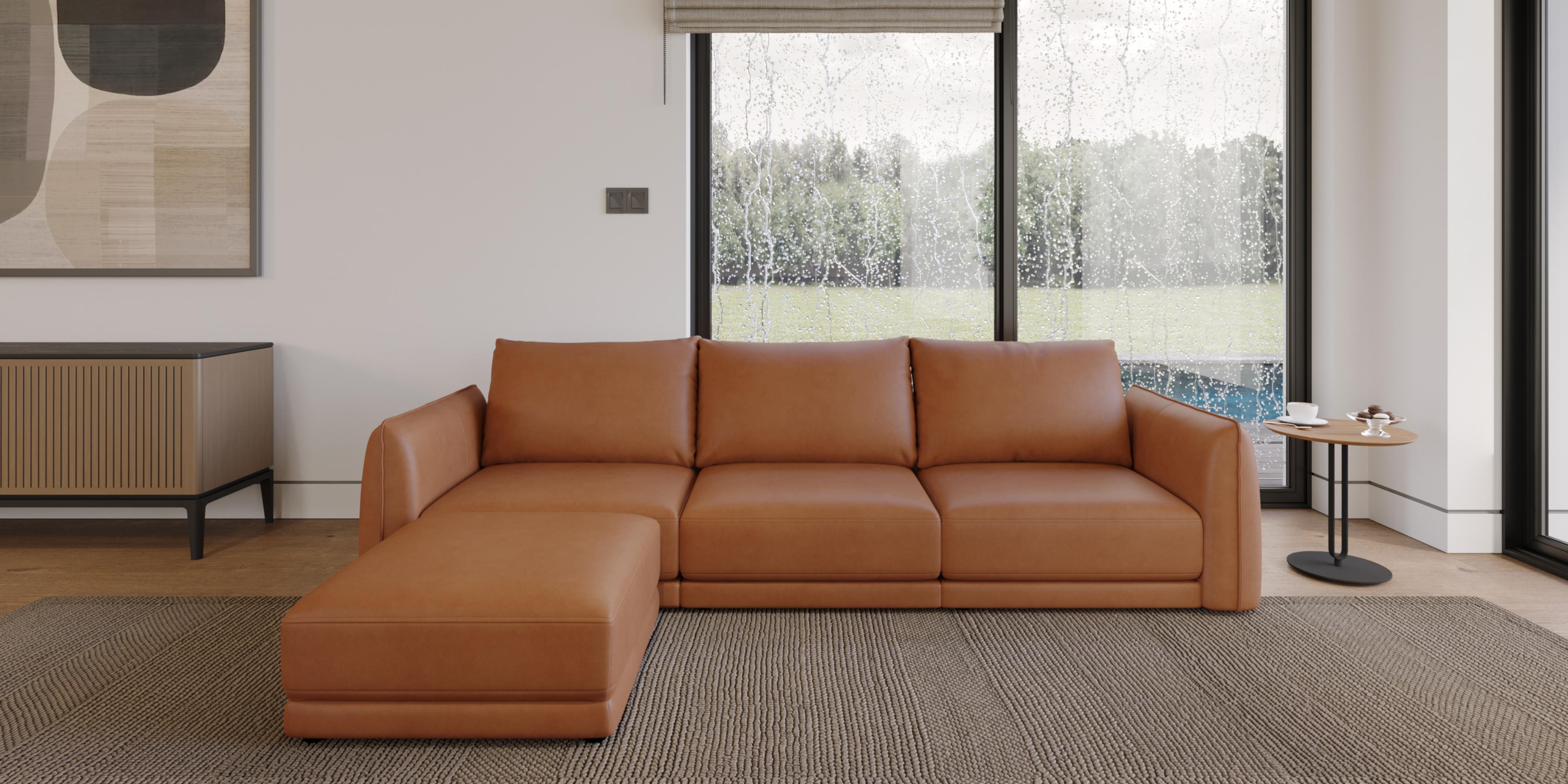
How to Remove Urine Smell From a Leather Couch
A leather couch needs a different approach. Do not soak leather with vinegar, hydrogen peroxide, or strong cleaners. Start by blotting the pee with paper towels. Then use a leather-safe cleaner or a mild soap solution with a barely damp cloth.
After cleaning, dry the leather with a clean towel and apply a leather conditioner if appropriate. If urine has soaked into seams, cushion edges, or under the leather surface, professional cleaning may be the safest option.
What Not to Do
Do not use heavy perfume sprays to cover urine smell. They may create a fresh scent for a few minutes, but they will not remove odors.
Do not rub the stain aggressively. This can spread urine deeper into the upholstery.
Do not oversaturate the couch. Too much liquid can reach the foam cushions or wood frame, making the odor harder to remove.
Do not use bleach on couch fabric unless the manufacturer specifically says it is safe. Bleach can damage upholstery and may react badly with urine residue.
When to Call a Professional
If the couch is expensive, made with delicate fabric, or has a strong smell that keeps coming back, professional upholstery cleaning may be worth it. This is especially true if urine has soaked deep into the cushions or if multiple accidents happened in the same spot.
A professional cleaner can use stronger odor removal tools without damaging the couch fabric. For serious pet urine problems, this may be faster and safer than repeating home cleaning methods over and over.
Final Thoughts
Learning how to get pee smell out of couch fabric is all about speed, patience, and using the right cleaner. For fresh stains, blot first, sprinkle baking soda, and use a gentle vinegar solution. For pet urine, especially cat urine, enzymatic cleaners are usually the best choice because they break down uric acid and help eliminate odors at the source.
Let the couch air dry completely, repeat the process if needed, and avoid covering the smell with fragrance alone. With the right steps, you can remove urine odor, protect your upholstery, and keep your favorite couch feeling clean again.
FAQs
1. What is the best way to get pee smell out of a couch?
The best way to get pee smell out of a couch is to blot the affected area first, sprinkle baking soda to absorb moisture, then use an enzymatic cleaner to break down urine odor at the source. For pet urine, especially cat urine, enzymatic cleaners are usually more effective than vinegar alone because they help break down uric acid crystals that cause lingering smells.
2. Can baking soda remove urine smell from a couch?
Yes, baking soda can help absorb urine smell and moisture from couch fabric, especially on fresh stains. Sprinkle baking soda over the affected area, let it sit for a few hours or ideally overnight, then vacuum it thoroughly. However, for strong pet urine odor or old stains, baking soda should be combined with an enzymatic cleaner for better odor removal.
3. Will vinegar damage my couch fabric?
White vinegar is safe for many fabric couches when diluted with warm water, but it is not suitable for every material. Always test the cleaning solution on a hidden area first. Avoid using vinegar on delicate fabric, leather couches, or upholstery that requires solvent-only cleaning. Use only a light spray and avoid soaking the couch cushion.