
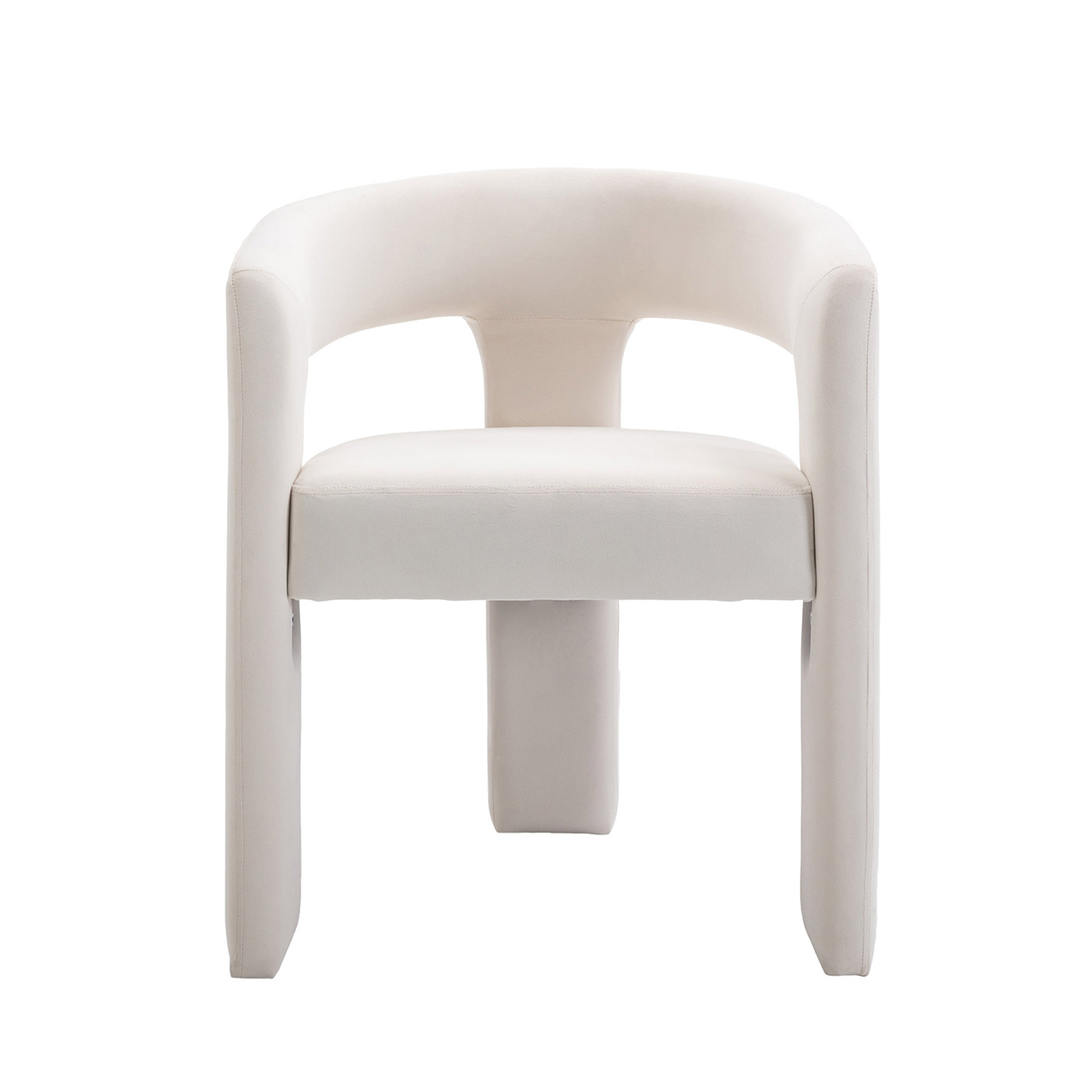
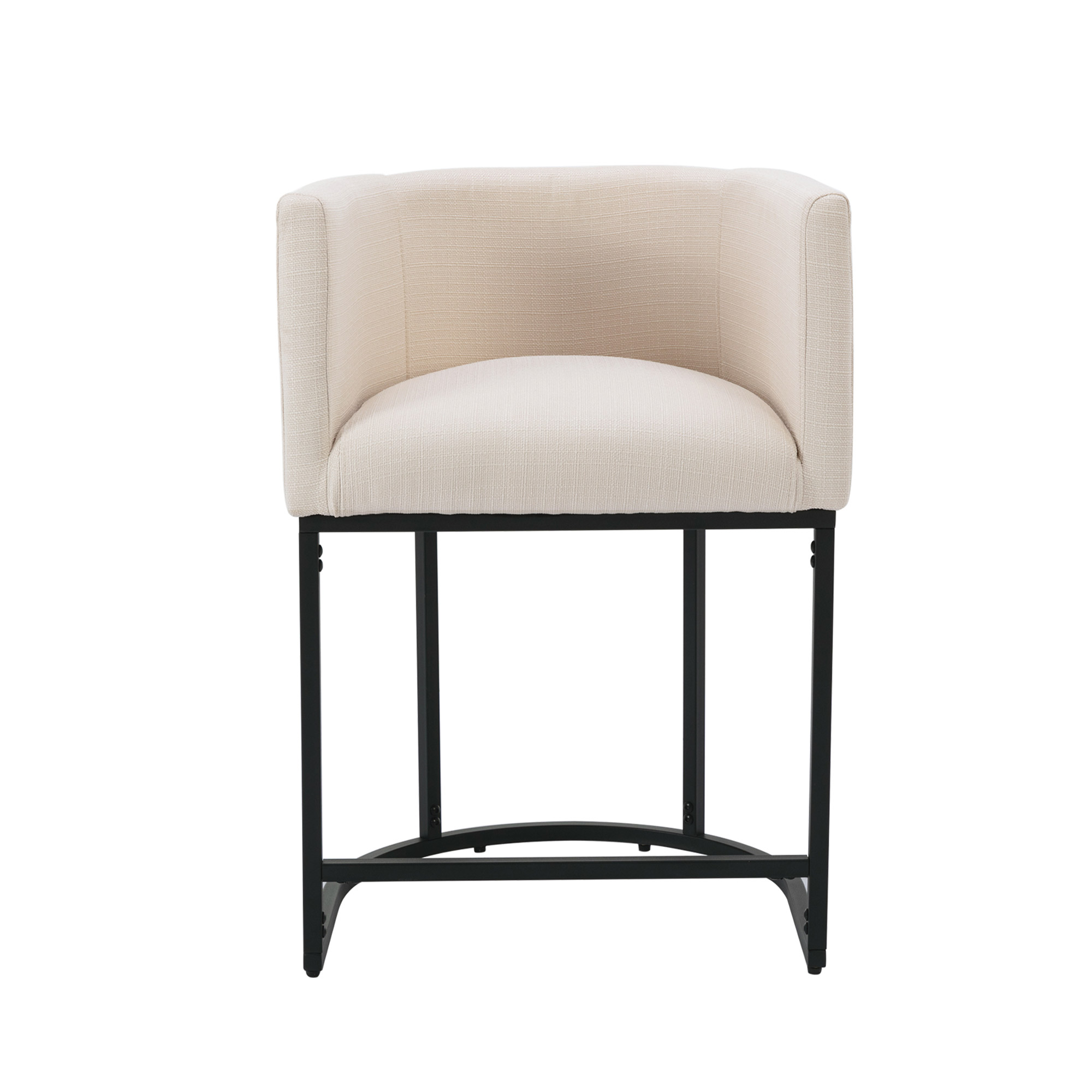
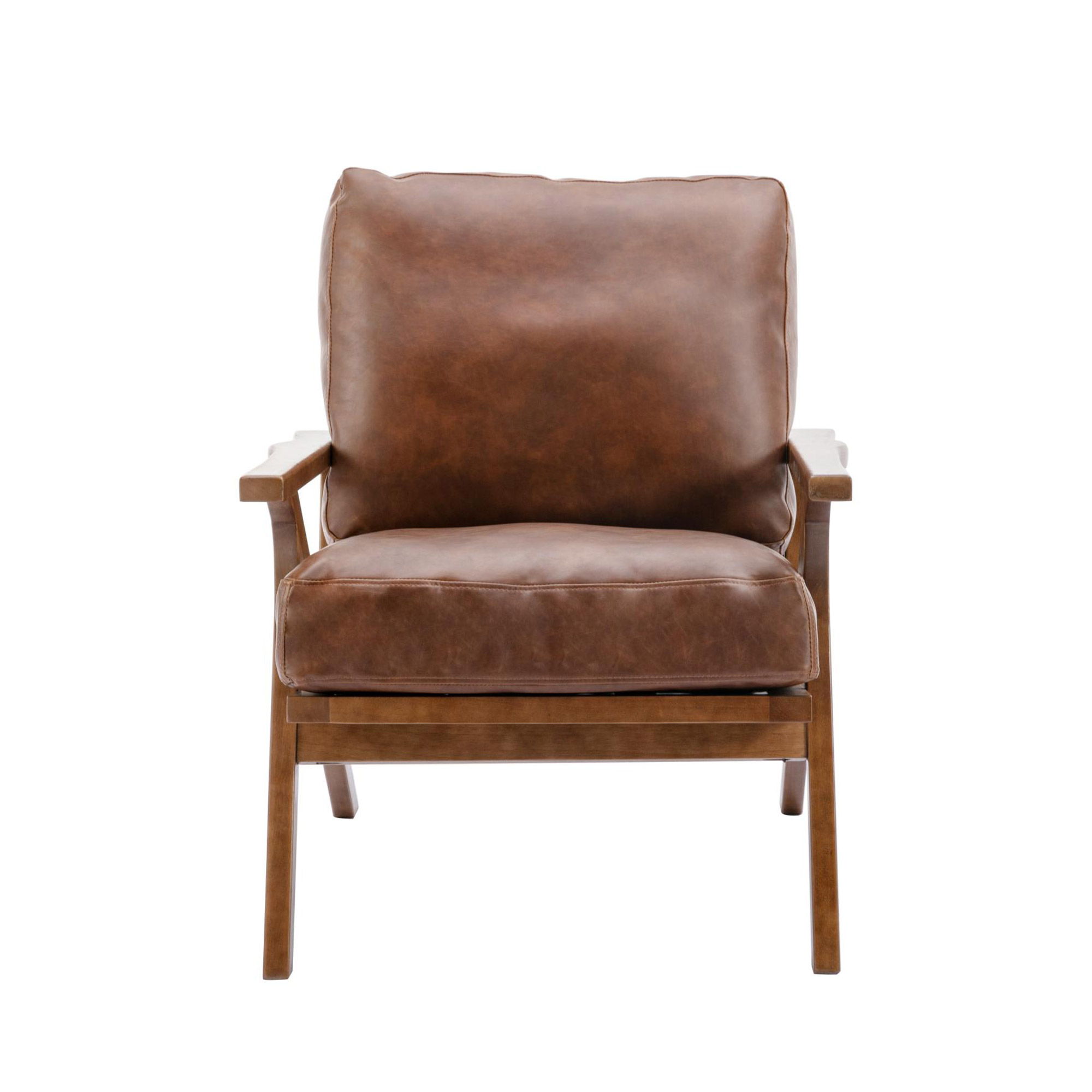
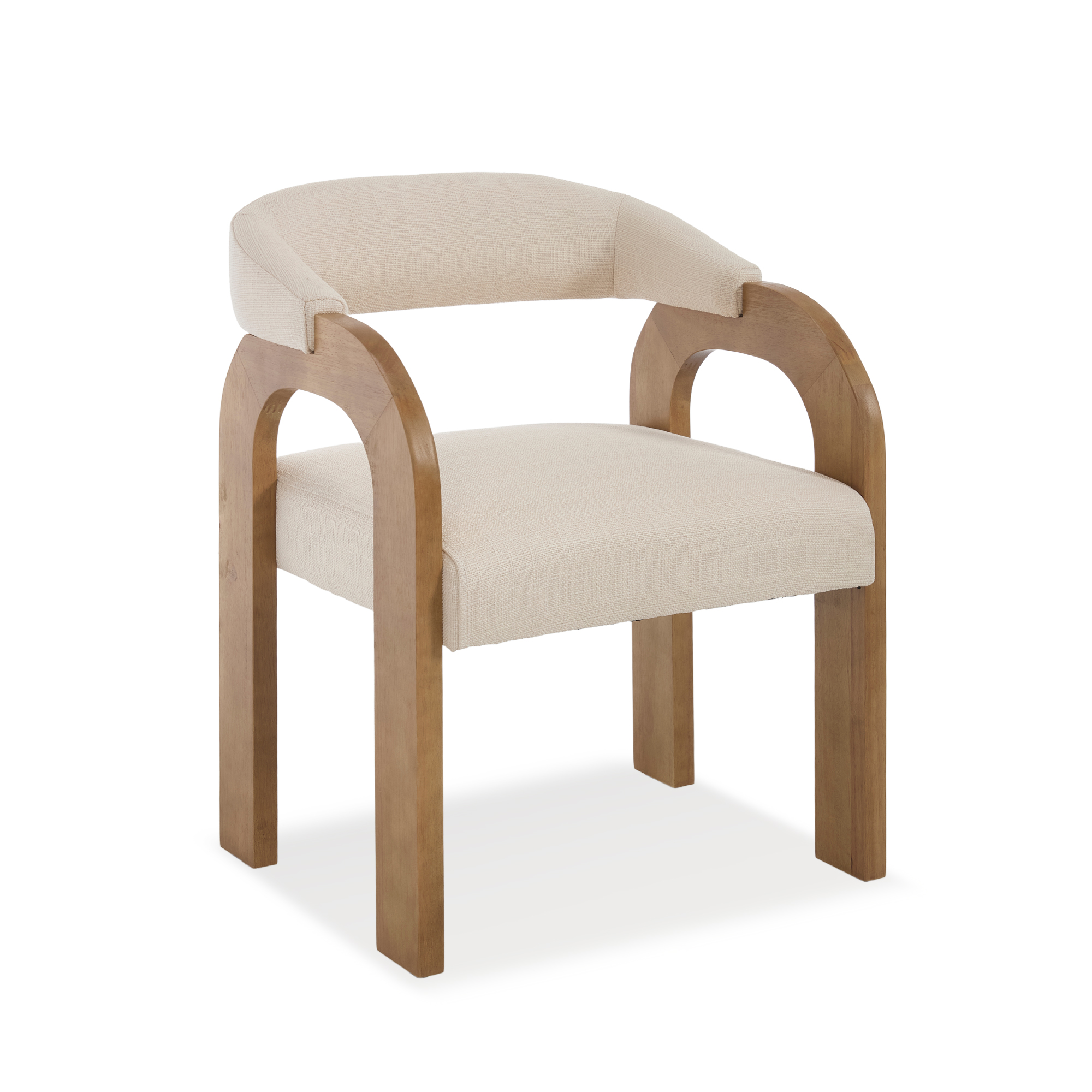
Choosing the correct bar stool height can completely transform how your bar, counter, or dining area feels. The difference between a comfortable gathering space and an awkward seating setup often comes down to just a few inches. If your seat height is too tall, your knees hit the countertop. Too low, and you’ll need to sit lower than feels natural.
This complete bar stool height guide will help you measure properly, understand standard sizing, compare counter height stools and bar height stools, and determine the right bar stool height for your home. Whether you’re shopping for kitchen islands, a home bar, a bar table, or a modern bar area, you’ll learn how to create a layout where everyone can sit comfortably with enough space and support.
Bar Stool Height Guide: The Quick Rule of Thumb
The most important rule in this bar stool height guide is clearance. You generally want 10–12 inches between the top of the seat and the underside of the countertop or bar surface.
That clearance allows your legs to move freely and gives you enough room for natural sitting posture.
Quick Formula to Find Ideal Seat Height:
- Measure from the floor to the underside of your countertop
- Subtract 10–12 inches
- The result is your ideal seat height
This simple measurement helps you determine the correct stool height and avoid ordering the wrong height stools.
Standard Bar Stool Heights Explained
Understanding standard bar stool heights makes shopping for bar stools much easier. Most homes in the U.S. follow one of three common height categories.
Counter Height (Most Kitchen Counters)
- Counter: 34–36 inches
- Ideal seat height: 24–27 inches
- Best for: Kitchen counter, islands, and casual dining
These are typically called counter height stools or a counter stool.
Bar Height
- Bar height counters: 40–42 inches
- Ideal seat height: 28–33 inches
- Best for: Raised bar area, entertainment spaces, and some bar tables
These are standard bar height stools.
Extra Tall
- Counter/bar: 44–47 inches
- Seat height: 34–37 inches
- Best for: Custom or commercial-style bar
These extra-tall options are less common but important if you have a raised bar.
| Type | Counter/Bar Height | Seat Height | Best For |
|---|---|---|---|
| Counter Height | 34–36 inches | 24–27 inches | Kitchen islands, casual dining |
| Bar Height | 40–42 inches | 28–33 inches | Home bar, bar table |
| Extra Tall | 44–47 inches | 34–37 inches | Specialty bar setups |
Understanding the difference between counter or bar setups is the foundation of choosing the right height.
How to Measure Correctly (Step-by-Step)
Before you shop for new stools, grab a tape measure and follow these steps:
- Measure the Countertop Height: From floor to the top surface of the countertop.
- Measure to the Underside: From floor to the underside of the counter/bar overhang (most accurate for clearance).
- Subtract 10–12 Inches: This gives you the ideal seat height.
- Confirm Stool Specs: Double-check seat height (not overall height), width, and footrest placement.
Pro Tip: Many shoppers confuse overall stool height with actual seat height. Always focus on the seat, not the top of the backrest.
How Many Stools Do You Need?
Spacing is just as important as height for comfortable seating:
- Allow 24 inches of width per stool
- Add extra room for stools with arms
- Leave at least 6 inches between stools
Example: A 72-inch kitchen counter fits 3 standard stools or 2 larger stools with arms.
For small spaces, choose slim or backless counter stools to maximize space and movement.
Choosing by Use Case
Kitchen Islands
Most use counter height dimensions (34–36 inch surface → 24–27 inch seat height) for casual dining comfort.
Home Bar
Raised home bars need bar height stools (40–42 inch surface → 28–33 inch seat height) for an entertainment-focused feel.
Dining Area / Multipurpose Surfaces
For hybrid spaces or tall desks, measure the exact surface height first to ensure the right fit.
Comfort Features That Affect Fit
Height alone doesn’t guarantee comfort—look for these ergonomic features:
- Backrest: Adds posture support for long sitting sessions
- Arms: Require extra width/spacing (avoid for tight spaces)
- Swivel Seat: Offers versatility for social bar areas
- Adjustable Height: Ideal for mixed-use spaces or uncertain dimensions
- Cushioned Seats: Boost comfort for daily use
Common Mistakes (And How to Avoid Them)
- Choosing the same height for counter and bar (verify dimensions separately)
- Ignoring underside clearance (trim/apron panels may reduce space)
- Forgetting knee space (insufficient clearance causes knee hits)
- Overcrowding (too many stools reduce comfort and movement)
- Buying too tall (even a few extra inches cause long-term discomfort)
Finding the Perfect Stool at Dayalane
At DAYALANE, you’ll find a range of thoughtfully designed bar stools crafted for both style and functionality. When shopping, always verify these key specs:
- Seat height (in inches) – the most critical measurement
- Overall height and width
- Backrest presence and footrest placement
- Frame stability on the floor
Choosing the perfect height ensures guests can sit comfortably, with enough space under the countertop and natural alignment between seat and surface.
Quick Guide: Bar Stool Height Summary
- Measure floor to underside of counter → subtract 10–12 inches for ideal seat height
- Allow 24 inches of width per stool (add more for arms)
- Focus on seat height (not overall height) when shopping
- Double-check counter vs bar dimensions (they’re not interchangeable)
Final Thoughts
Choosing the right bar stool height is more than a small detail—it defines comfort, usability, and overall flow. With proper measurement, thoughtful spacing, and attention to seat height, you can create a welcoming bar, counter, or dining area that feels balanced, stylish, and perfectly proportioned.
Ready to find the perfect height stool for your space? Explore our curated collection of bar stools and counter stools—designed for precise height alignment, lasting comfort, and timeless style. Measure with confidence, shop with ease.