


Velvet dining chairs can instantly make a dining area feel softer, warmer, and more polished. The plush texture, gentle light reflection, and rich color range make velvet a favorite choice for modern homes, especially when you want your table setting to feel a little more elevated without looking too formal.
But if you have kids, pets, frequent dinner guests, or the occasional coffee spill, you may wonder: how do you clean velvet dining chairs without damaging the fabric?
The good news is that velvet is not as difficult to care for as many people think. With the right cleaning solution, a damp cloth, regular vacuuming, and a soft brush, your velvet upholstered dining chairs can stay fresh, smooth, and beautiful for years.
Why Velvet Needs Gentle Care
Velvet fabric has a raised pile, which means the surface is made of tiny velvet fibers that stand up and create that soft, plush look. This is what gives velvet chairs their beauty, but it is also why harsh scrubbing is a bad idea.
When you rub too hard, use too much liquid, or let a stain sit for too long, the pile can become flattened, uneven, or marked in one spot. Cotton velvet, synthetic velvet, and blended velvet all respond slightly differently, but the basic rule is the same: clean gently, avoid soaking the fabric, and let the chair completely dry before using it again.
The same care principles often apply to other velvet furniture too, including velvet sofas, armchairs, cushions, and even velvet-style decor pieces around the room.
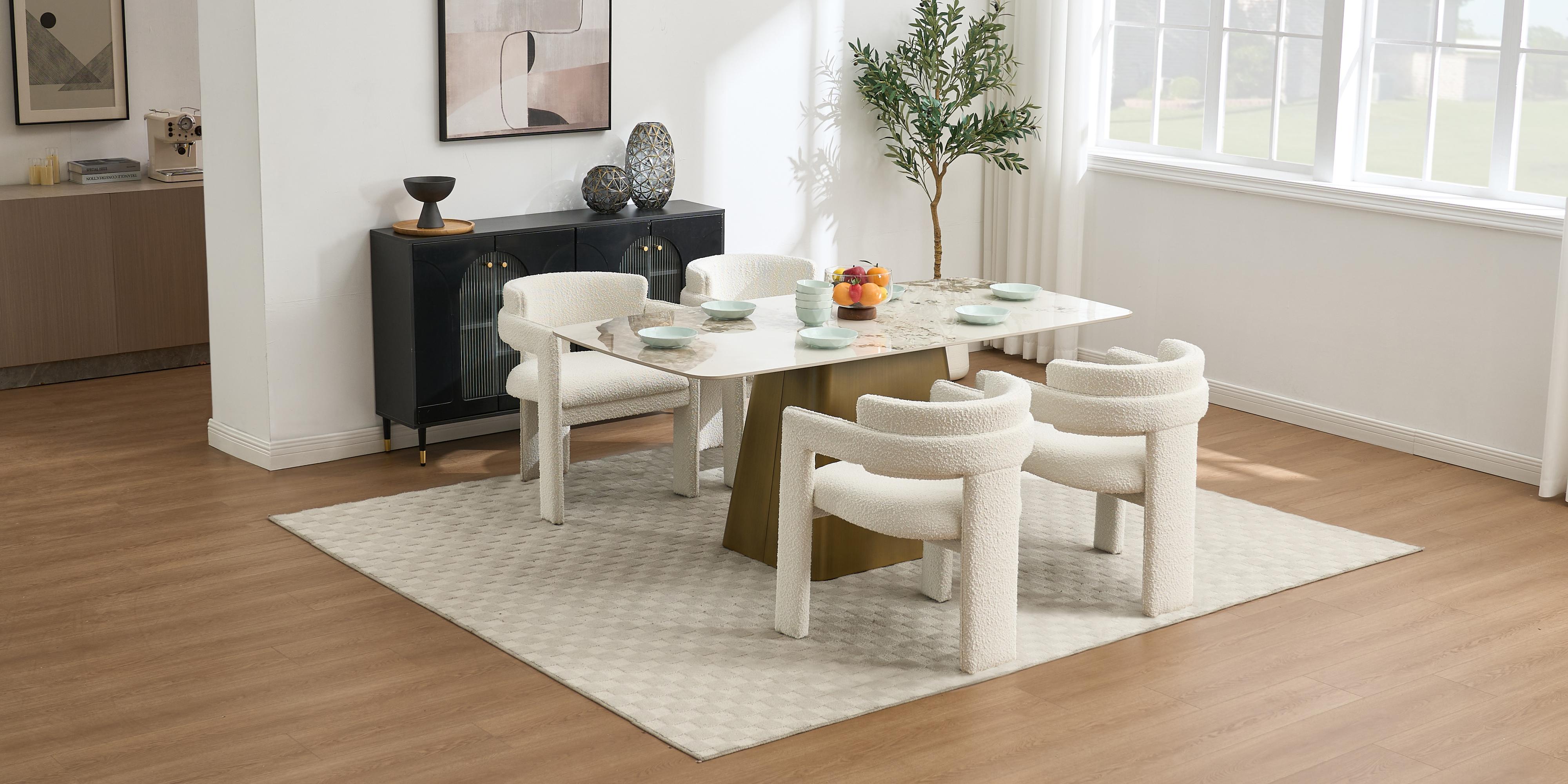
Start With Regular Vacuuming
Before you deal with spills or stains, make regular vacuuming part of your routine. Dust, crumbs, pet hair, and food particles can settle into the fabric, especially around the seat, seams, and back of the chairs.
Use a vacuum cleaner with a soft brush attachment. Move slowly over the velvet fabric in the direction of the pile instead of pressing hard. This helps remove dust and light debris without pulling or roughening the velvet fibers.
For homes with children, pets, rugs, curtains, and a busy eating space, vacuuming once a week is a smart habit. If your dining area gets light use, every two weeks may be enough.
What to Do Right After Liquid Spills
Liquid spills are the moment when quick action matters most. Whether it is water, wine, coffee, juice, or sauce, your first goal is to remove as much liquid as possible before it sinks deeper into the fabric.
Use a clean paper towel or dry cloth and gently blot the spill. Do not rub. Rubbing can push the liquid farther into the velvet and damage the pile.
Keep blotting with a fresh area of the cloth until you have absorbed the excess liquid. If the spill is still wet, continue until the surface feels only slightly damp. This simple step can prevent many stains from becoming stubborn stains later.
Make a Gentle Cleaning Solution
For most everyday stains, you do not need anything harsh. A simple water solution with mild dish soap can work well.
Mix a few drops of mild dish soap or mild soap with warm water. You only need a light mix, not a bowl full of bubbles. Dip a clean cloth into the solution, then wring it out well. The cloth should be damp, not wet.
This matters because too much water can leave marks on velvet furniture. You want to clean the stain, not soak the seat.
How to Clean Velvet Dining Chairs Step by Step
Here is a simple method for cleaning velvet dining chairs safely:
-
Vacuum the chair first with a soft brush attachment to remove dust and crumbs.
-
Blot any fresh spills with a paper towel or dry cloth.
-
Mix warm water with a small amount of mild dish soap.
-
Dip a cloth into the cleaning solution and wring it out.
-
Gently blot the stained area with the damp cloth.
-
Use another clean damp cloth with plain water to remove any soap residue.
-
Blot again with a dry cloth.
-
Let the chair air dry completely.
-
Once dry, use a soft brush to lift the pile and restore the velvet fibers.
The most important thing is patience. Cleaning velvet is not about scrubbing harder. It is about working slowly and giving the fabric time to recover.
How to Remove Stubborn Stains
For stubborn stains, repeat the gentle blotting process rather than using a stronger cleaner right away. Many people swear by simple soap and water for velvet, but the key is using it carefully.
If the stain is from food, sauce, or coffee, remove any solid material first with the edge of a spoon or a dry cloth. Do not scrape aggressively. Then use the mild soap and warm water solution to gently blot the area.
If the stain does not improve after one or two careful attempts, it may be time to call professional cleaners. This is especially true for deep stains, old stains, large spills, or expensive cotton velvet chairs. Professional cleaners understand how to remove stains without damaging the fabric, changing the texture, or leaving water rings.

Should You Steam Velvet Dining Chairs?
Steam can sometimes help refresh velvet fibers, but it should be used carefully. Too much heat or moisture can damage certain types of velvet fabric. If your chair’s care label allows steam, keep the steamer at a safe distance and avoid holding it over one spot for too long.
After steaming, let the chair air dry fully. Then use a soft brush to gently lift the pile.
If you are unsure whether your velvet upholstered dining chairs can handle steam, skip it or ask professional cleaners. Guessing can be risky.
Avoid Direct Sunlight
Direct sunlight can cause fading over time, especially with darker colors like navy, emerald green, black, burgundy, or deep gray. If your velvet chairs sit near a large window, consider using curtains, rugs, or room layout changes to protect them from strong afternoon light.
A little natural light is fine, but daily direct sunlight can slowly reduce the rich color and beauty of velvet.
How to Keep Velvet Chairs Looking Fresh
Velvet dining chairs are easier to maintain when you protect them before problems happen. Here are a few simple habits:
Vacuum regularly with a soft brush attachment. Blot spills right away. Keep food and liquid messes from sitting on the fabric. Brush the pile gently after cleaning. Avoid placing velvet furniture in direct sunlight. Let any damp spot completely dry before sitting on the chair again.
For families with kids or pets, it can also help to choose darker colors, patterned rugs, and easy-to-clean dining decor around the table. These small choices make everyday wear less noticeable.
Velvet vs Leather: Which Is Easier to Clean?
Many shoppers compare velvet and leather dining chairs before buying. Leather is often easier to wipe clean, especially after liquid spills. Velvet, on the other hand, brings a softer, warmer, and more plush style to the room.
If your home has young children, pets, or very frequent messes, leather may feel more practical. But if you want comfort, texture, and a more stylish dining space, velvet can still be a great choice as long as you clean it gently and regularly.
The decision comes down to lifestyle. Velvet chairs are not only for formal rooms. They can work beautifully in everyday homes when cared for the right way.
Common Mistakes to Avoid When Cleaning Velvet
The biggest mistake is rubbing a stain instead of blotting it. Rubbing can flatten the velvet fibers and make the stain spread.
Another mistake is using too much liquid. A wet cloth can leave water marks, while a damp cloth gives you more control.
Avoid harsh chemicals, bleach, rough brushes, and strong cleaning products unless the manufacturer specifically says they are safe for your chair. Also avoid drying velvet with direct heat. Let it air dry naturally.
Finally, do not ignore spills. The faster you gently blot excess liquid, the better your chance of keeping the fabric clean.
Final Thoughts
Velvet dining chairs bring softness, color, and style to a dining area, but they do need gentle care. The best way to clean velvet dining chairs is to vacuum regularly, act quickly on spills, use a mild soap and warm water solution, blot instead of rub, and let the fabric air dry completely.
With a soft brush, a clean damp cloth, and a little patience, you can protect the plush pile and keep your velvet furniture looking fresh. Whether you have a formal dining room, a small apartment space, kids, pets, or a busy table where everyone gathers, velvet chairs can stay beautiful when cleaned the right way.
FAQs
1. How often should I clean velvet dining chairs?
For everyday care, regular vacuuming once a week is usually enough, especially if your dining area is used often. Use a vacuum cleaner with a soft brush attachment to remove dust, crumbs, and pet hair without damaging the velvet fibers. If the chairs are in a low-traffic room, cleaning every two weeks may be fine.
2. Can I use water to clean velvet upholstered dining chairs?
Yes, but use only a small amount. Mix warm water with a few drops of mild dish soap, then dip a clean cloth into the cleaning solution and wring it out well. The cloth should be damp, not wet. Gently blot the stain, then let the velvet fabric air dry completely.
3. What should I do if I spill coffee or wine on velvet chairs?
Act quickly. Use a paper towel or dry cloth to gently blot as much liquid as possible. Do not rub the spill, because rubbing can push the liquid deeper into the fabric and flatten the pile. After removing the excess liquid, use a mild soap and water solution to clean the area gently.
4. When should I call professional cleaners for velvet furniture?
Call professional cleaners if the stain is large, old, deep, or does not improve after gentle cleaning. This is especially important for cotton velvet, expensive velvet dining chairs, velvet sofas, or furniture with stubborn stains. A professional can help remove stains without damaging the fabric or changing the soft texture.