
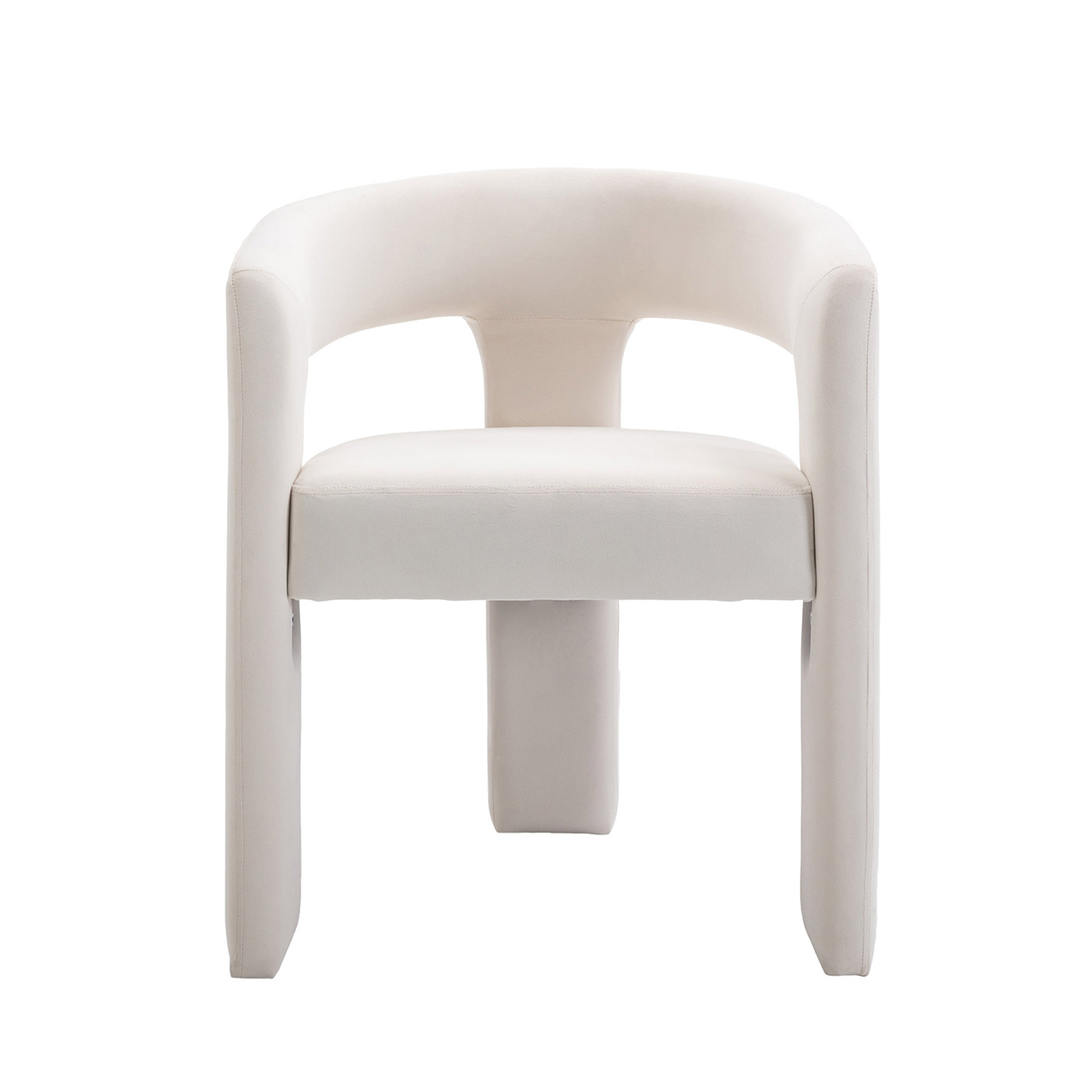
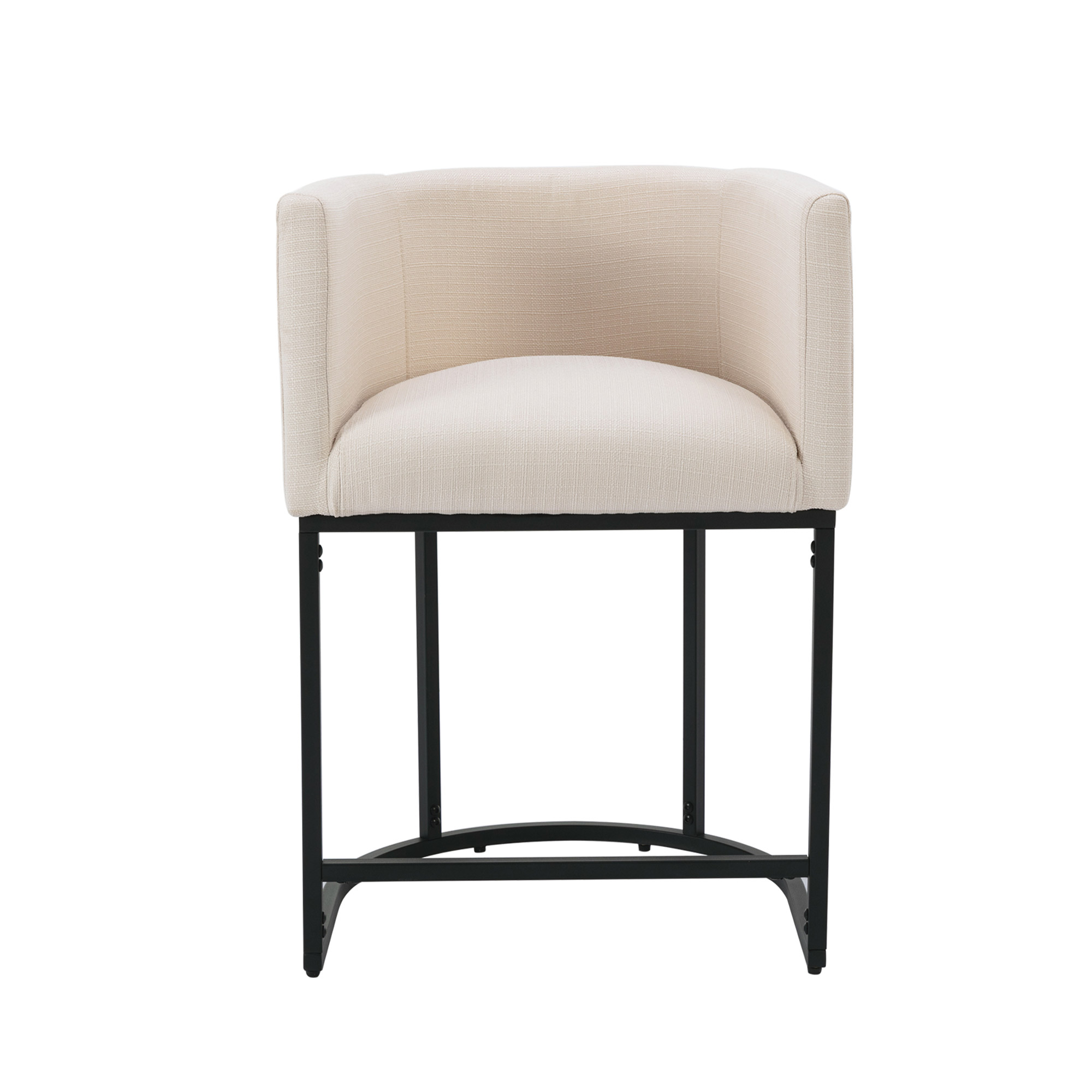
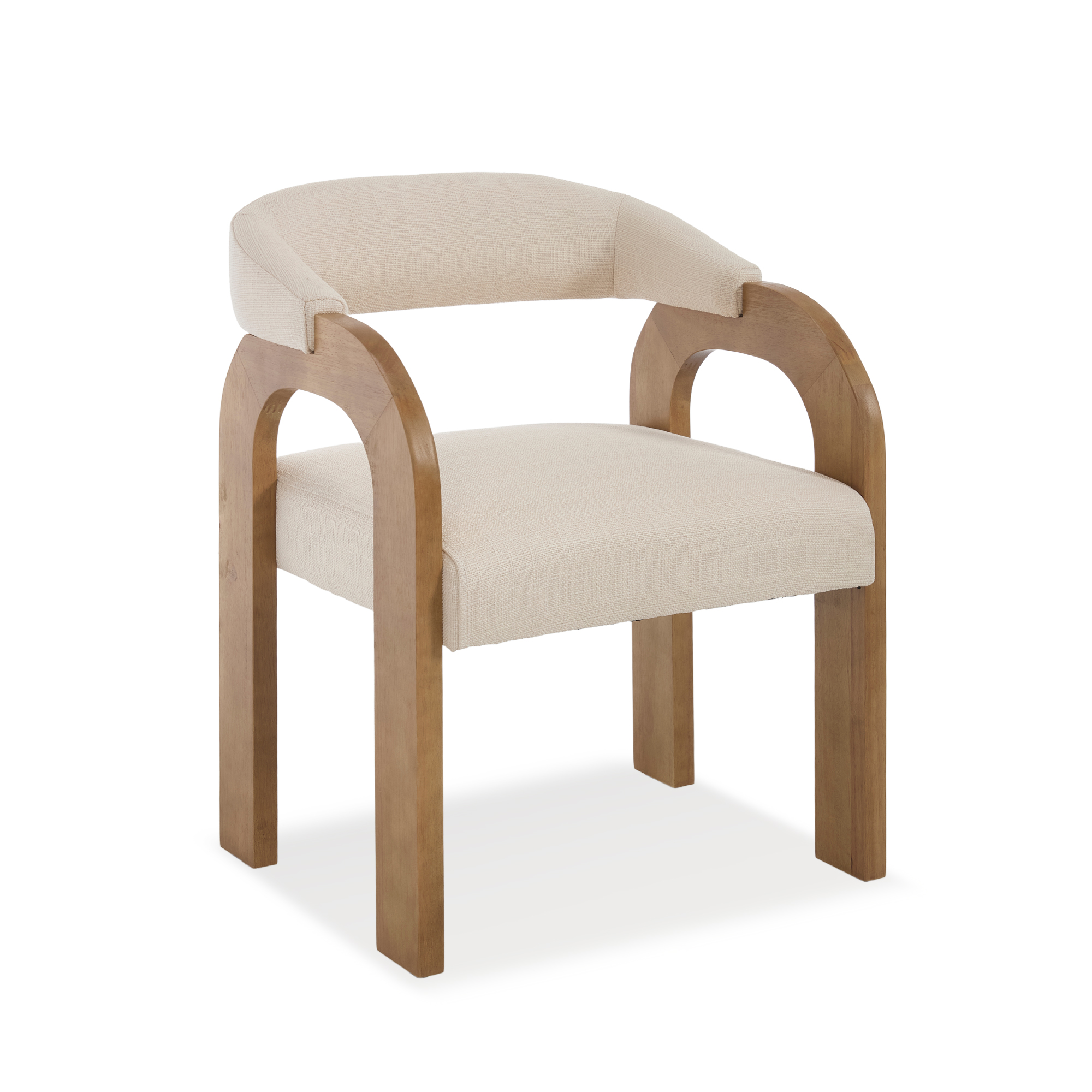
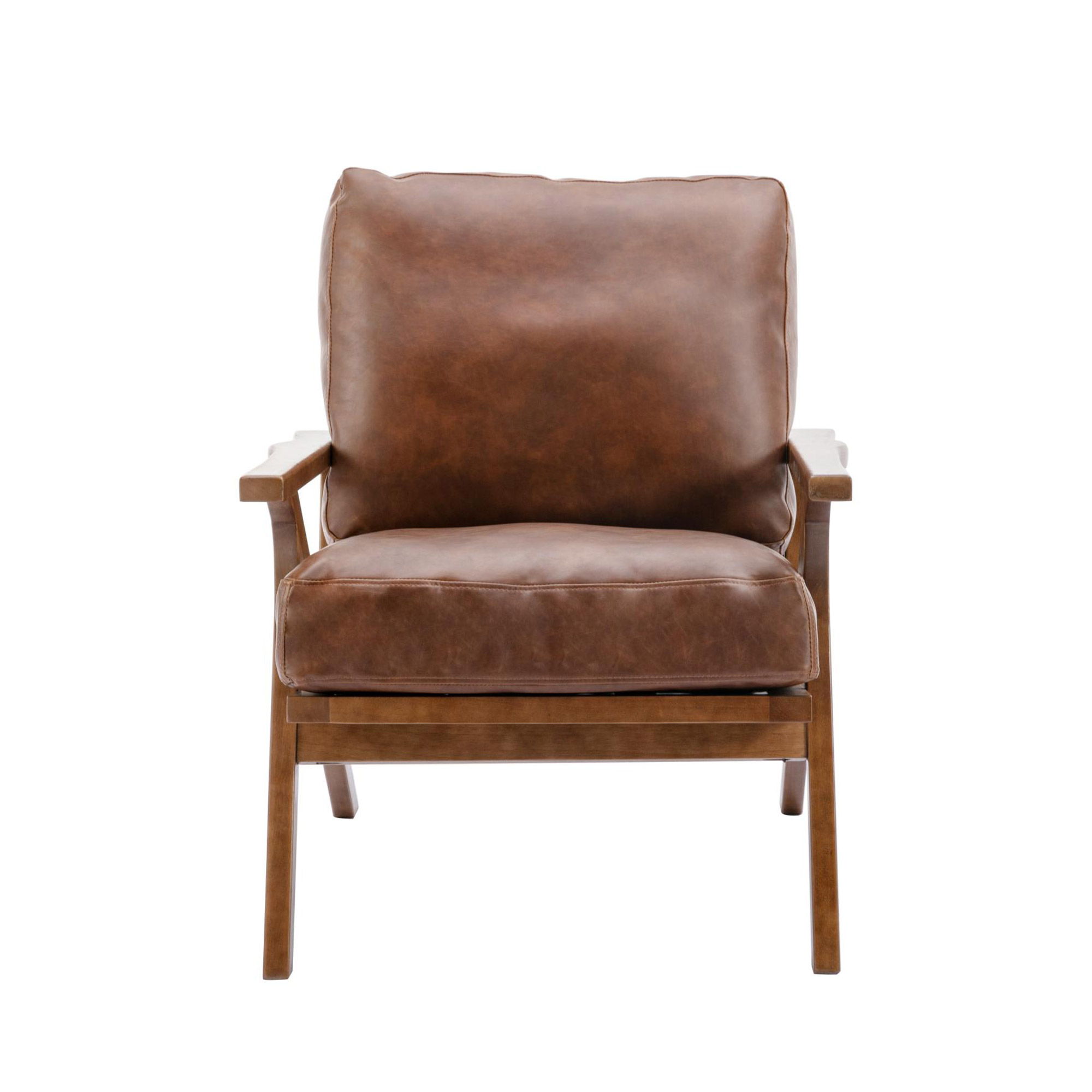
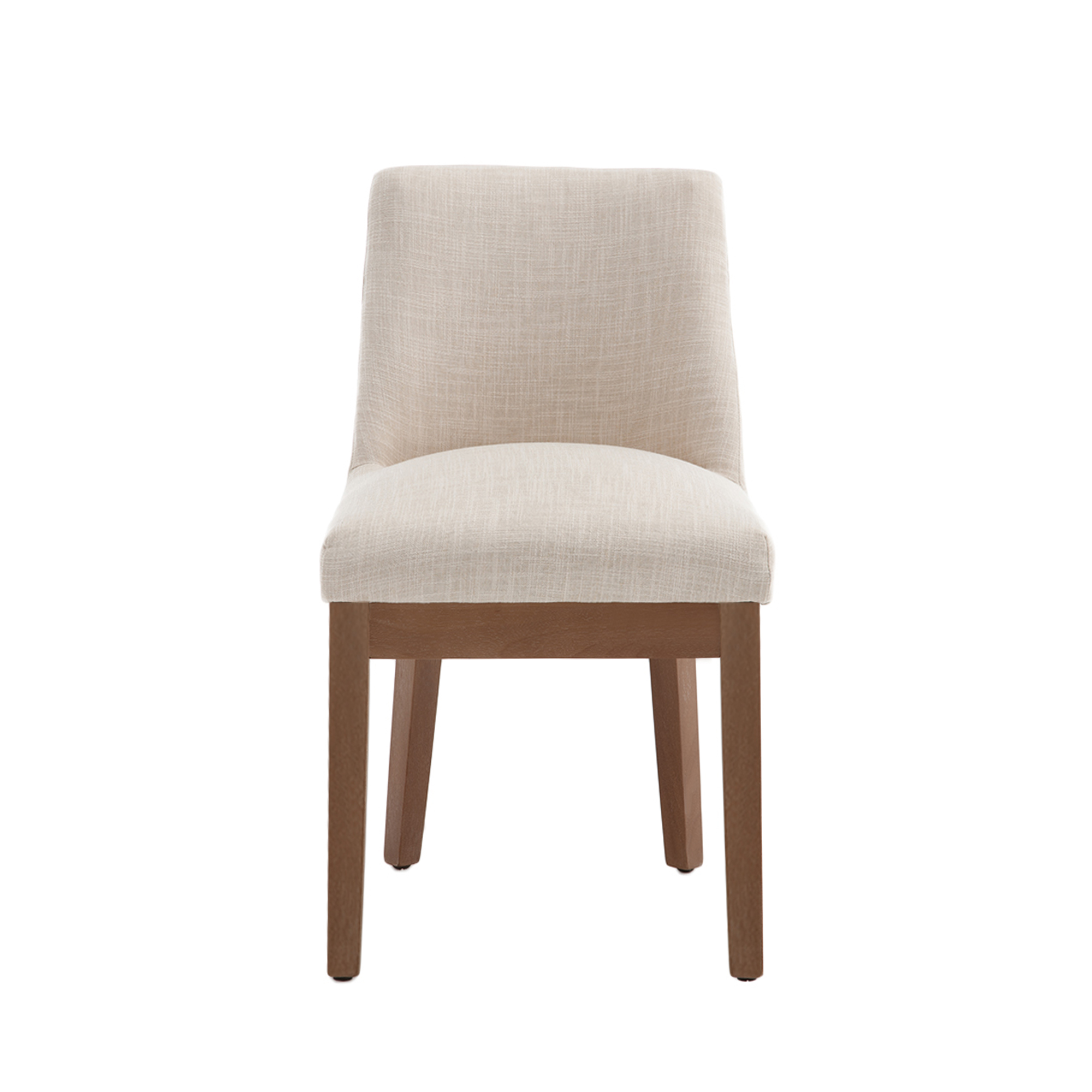
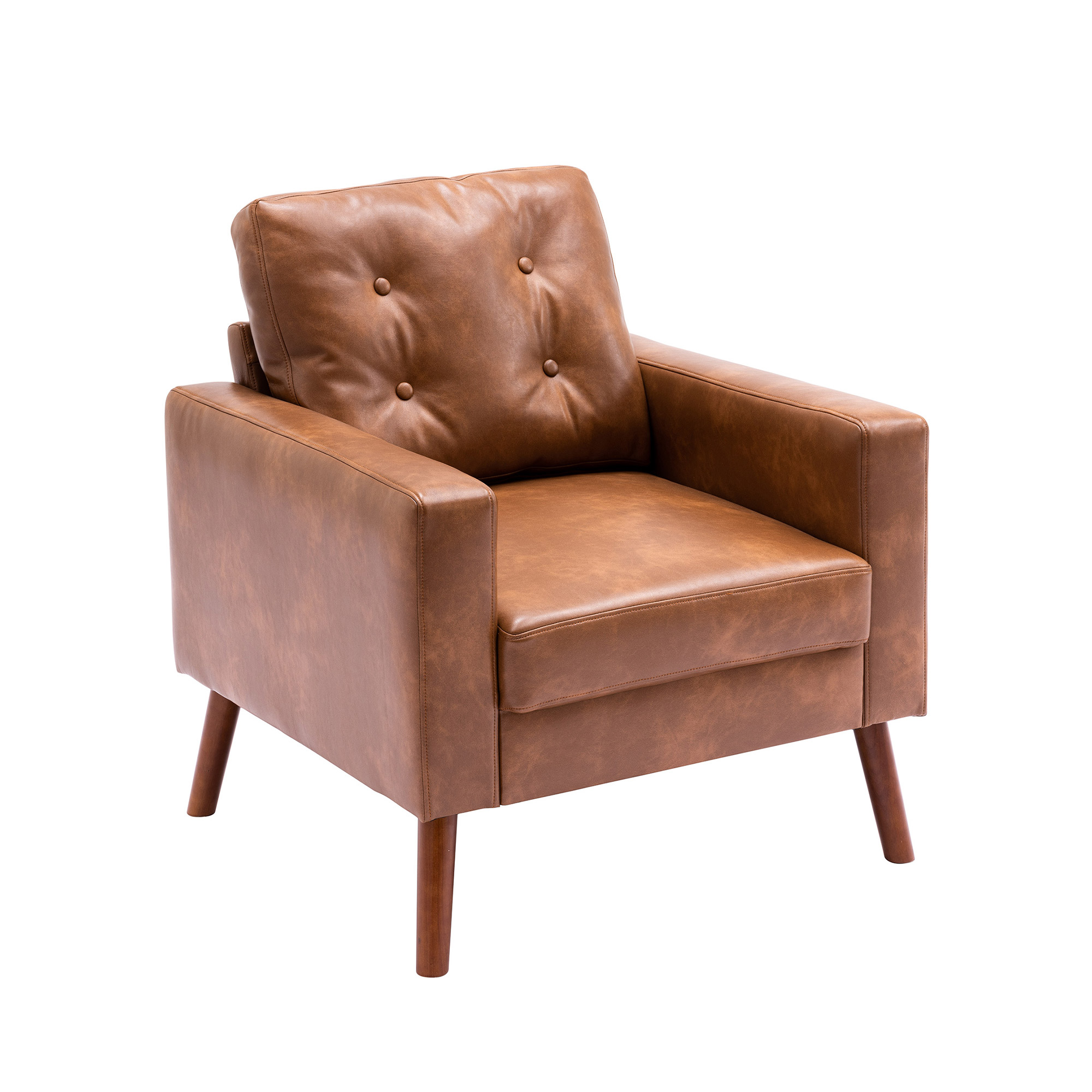
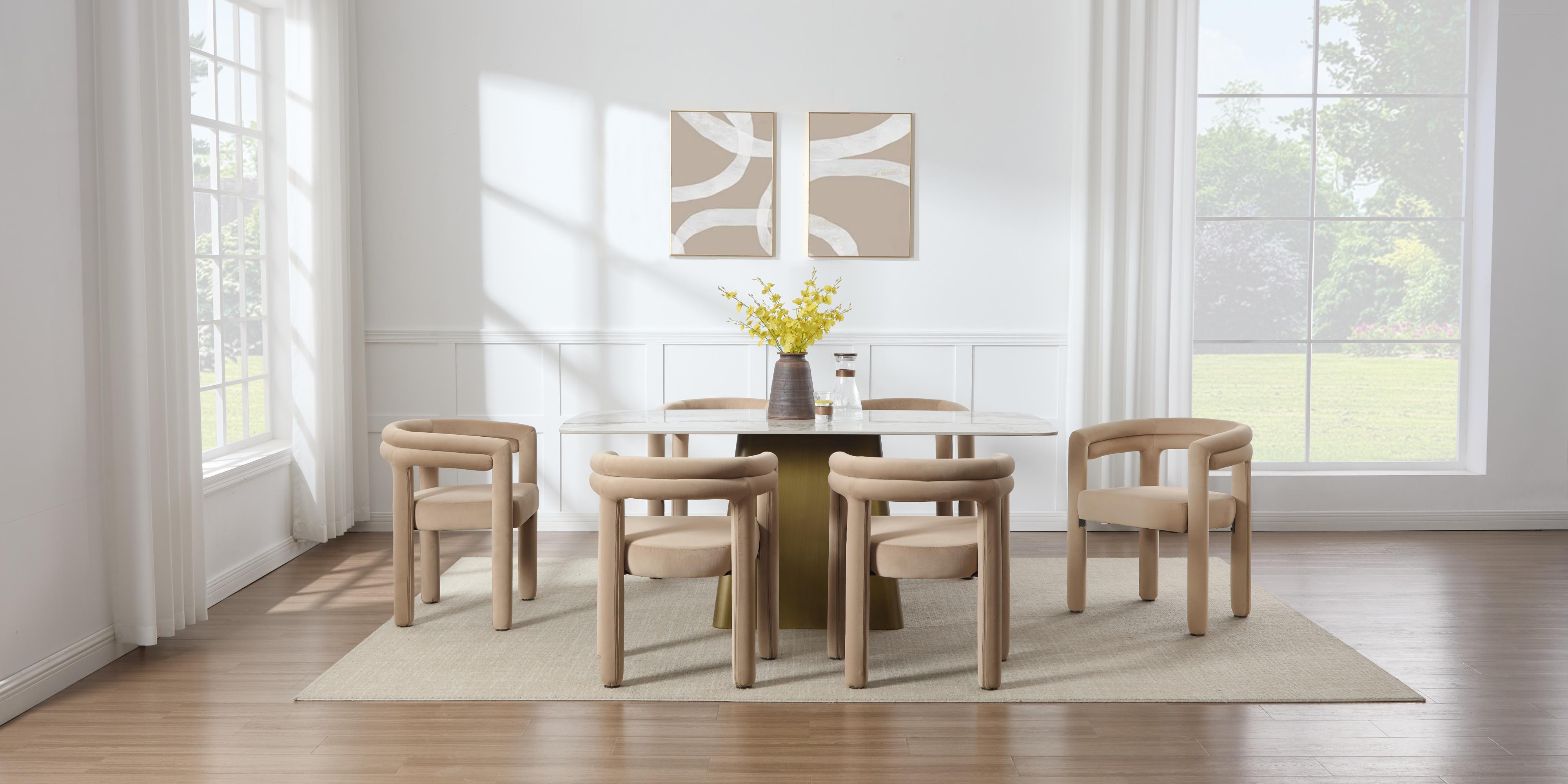
When designing a family home, you should not have to sacrifice elegance just because you have pets that shed or kids who spill food at dinner. For many modern homeowners, the goal is to create a dining room that looks polished while still choosing furniture that can handle real daily life.
That is why pet-friendly mid century modern dining chairs are a smart choice. Mid century modern design already fits busy homes well because it focuses on clean lines, simple shapes, warm wood tones, and practical comfort. But when pets and kids are part of the household, the most important decision is material.
The right material can help protect your chairs from pet hair, scratches, food stains, paw marks, and everyday wear. The wrong material can make even a beautiful dining chair look old too quickly. Before choosing your next set of dining chairs, here are the best materials to consider.
Why Material Matters for Pet-Friendly Dining Chairs
Dining chairs are used every day. They are pulled in and out, exposed to crumbs and spills, and often placed in one of the most visible spaces in the home. For pet owners, the key questions are simple:
Will pet hair stick to the chair?
Can spills be wiped away quickly?
Will cat claws damage the fabric?
Will dog paws leave marks?
Will the chair still look stylish after years of use?
A good pet-friendly dining chair should balance style, comfort, durability, and easy cleaning. It should still support the warm, timeless look of a mid century modern dining room while making daily maintenance easier.
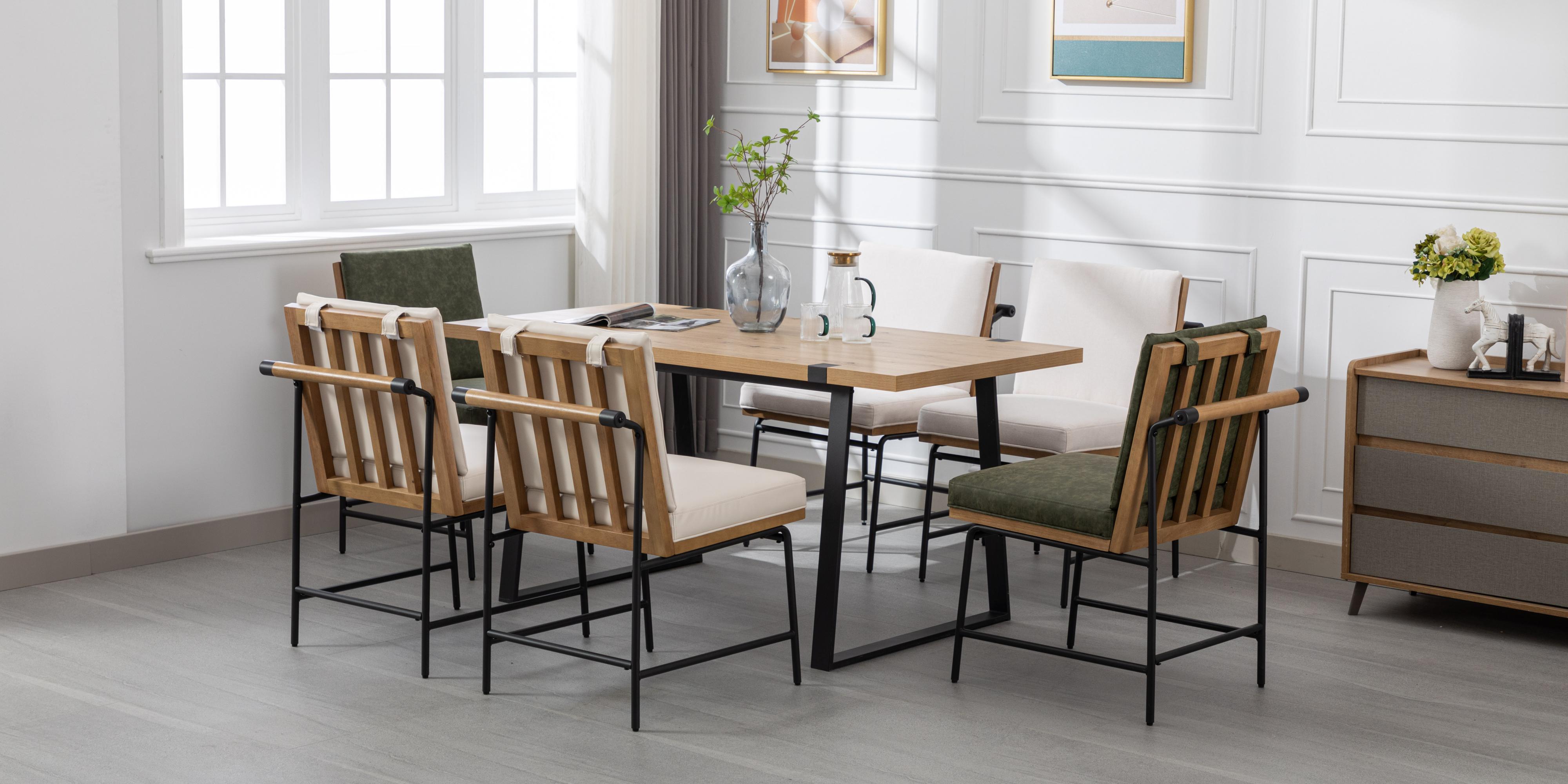
Performance Fabric vs. Traditional Woven Fabric
Performance fabric is one of the best choices for kid-friendly and pet-friendly dining chairs. It is designed for everyday use and often offers better resistance to stains, moisture, dust, and odor. For family dining, this makes a big difference. If a child drops food or a dog jumps up with dirty paws, the mess is usually easier to clean before it settles into the seat.
Traditional woven fabric can look natural and beautiful, but it may trap pet hair, crumbs, and dirt more easily. Loose weaves can also snag if a cat scratches the chair or if pet nails catch the fabric. This does not mean all woven fabric is bad, but for homes with pets, tighter weaves are usually the safer choice.
Leather and Faux Leather Dining Chairs
Leather is a classic material in mid century modern interiors. It pairs well with walnut wood, black metal, brass details, and clean dining tables. For pet owners, leather and high-quality faux leather are attractive because they are easy to wipe down and do not hold pet hair like many fabrics do.
If your biggest concern is dog hair, food stains, or quick cleaning, leather-style dining chairs are a strong option. A smooth surface allows crumbs, dust, and fur to be removed quickly with a cloth or vacuum attachment.
However, leather is not perfect for every pet household. Cat claws and sharp dog nails can leave scratches, especially on softer leather. Low-quality faux leather may also crack or peel over time. If you choose faux leather, look for durable construction, a smooth finish, and supportive padding.
Velvet Dining Chairs: Stylish but Higher Maintenance
Velvet dining chairs are popular because they feel soft, elegant, and visually rich. They can make a dining room look more expensive, especially when paired with slim metal legs or warm wood tones.
For pet owners, velvet requires more care. Pet hair may cling to the surface, and the fabric can show pressure marks or wear if used heavily every day. That said, velvet is not always a bad idea. A high-performance velvet or tightly woven synthetic velvet can still work in a pet-friendly home.
If you love velvet, choose deeper or more forgiving colors such as olive, rust, navy, charcoal, or brown instead of pure white or pale cream.
Wood, Metal, and Rattan Details
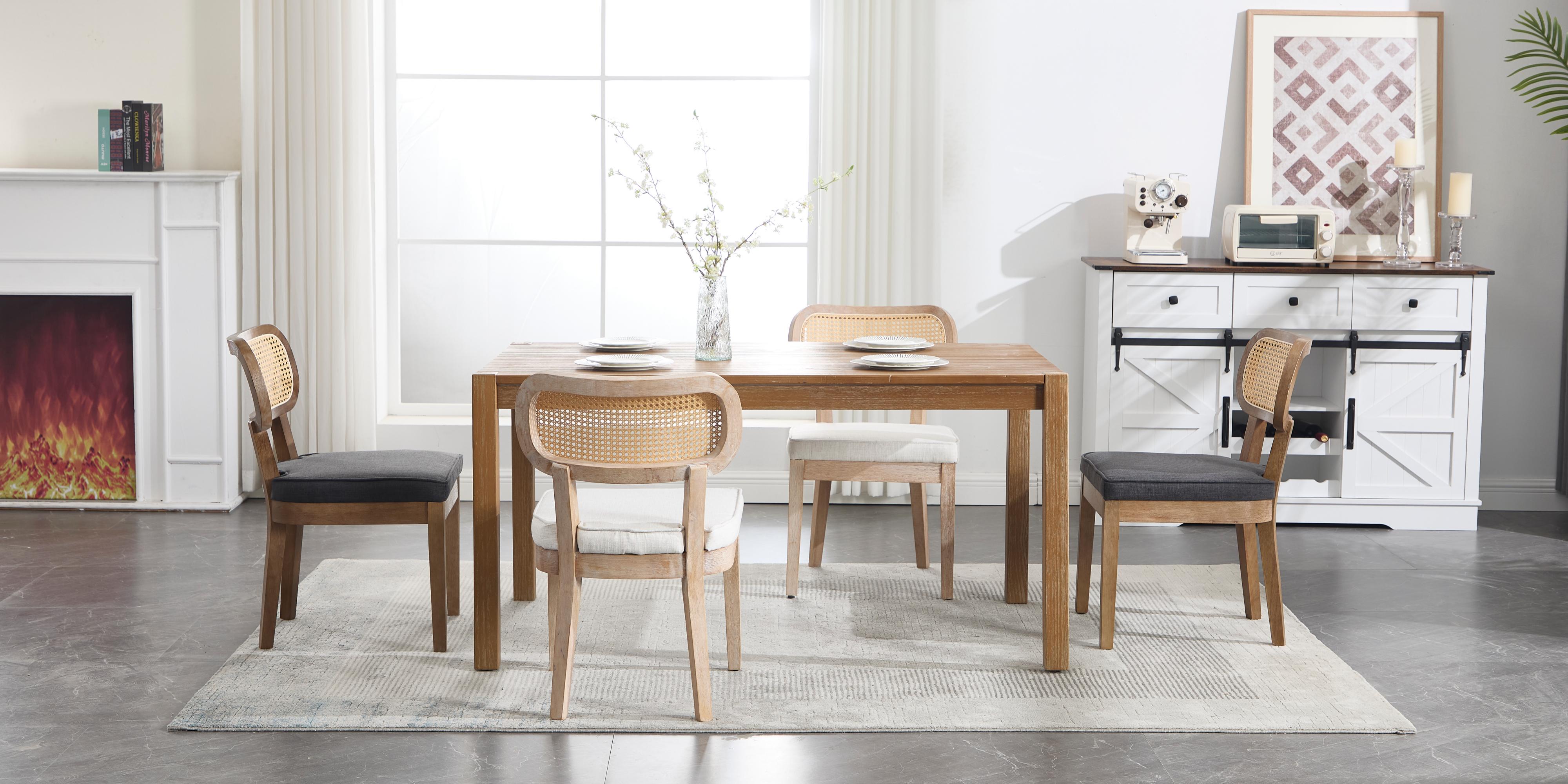
The seat material matters, but the frame matters too. Many mid century modern dining chairs include wood legs, metal frames, cane backs, or rattan details.
Solid wood legs are a strong choice because they offer warmth, stability, and timeless style. Metal legs are also practical because they are durable, easy to clean, and less likely to show bite marks or scratches.
Rattan and cane details are beautiful, but they need more caution. They add texture and natural charm, but cats may scratch woven cane, and young dogs may chew exposed rattan. If your pets are calm, cane or rattan dining chairs can still work well. If not, wood or metal frames may be safer.
Best Colors for Pet-Friendly Dining Chairs
Color is another important part of pet-friendly design. White dining chairs can work if the material is easy to clean, but they will naturally show more hair, dirt, and stains.
For pet owners, practical colors include camel, walnut brown, taupe, gray, charcoal, olive, beige, and warm black. These shades still fit the mid century modern look while helping hide minor daily wear.
Smooth textures are usually easier to clean, while heavily textured fabrics can trap hair and crumbs. If you want fabric, choose a tight weave. If you want the lowest-maintenance option, leather, faux leather, microfiber, or performance fabric will usually be easier to manage.
Final Recommendation
The best pet-friendly mid century modern dining chairs are not just beautiful. They are designed for real homes, real meals, real pets, and real families.
If your dining room is used every day, prioritize performance fabric, microfiber, leather, or high-quality faux leather. If your home is more style-focused and your pets are calmer, velvet, cane, or rattan details can still work beautifully.
The goal is to choose dining chairs that look elegant while making cleaning, comfort, and maintenance easier. With the right material, your dining room can stay stylish, comfortable, and pet-friendly at the same time.
FAQs
1. Are velvet dining chairs a bad idea with pets?
Not always. Velvet can work if you choose a durable, high-performance velvet and clean it regularly. However, pet hair may cling to velvet more than leather or microfiber.
2. What is the easiest dining chair material to clean?
Leather, faux leather, and performance fabric are usually the easiest to clean. Leather-style surfaces wipe down quickly, while performance fabrics are designed to resist stains and daily messes.
3. What dining chair material is best for cat owners?
Cat owners should look for tightly woven fabric, microfiber, performance fabric, or smooth leather-style surfaces. Avoid loose weaves, delicate rattan, or heavily textured fabric if your cat likes to scratch.
4. Are rattan dining chairs pet-friendly?
Rattan and cane dining chairs can work in calmer households, but they may not be ideal for pets that scratch or chew. For active pets, wood or metal frames are usually safer.
5. What color dining chairs are best for homes with pets?
Medium and darker tones are usually easier to maintain than pure white or pale colors. Camel, taupe, gray, charcoal, olive, and brown work well with mid century modern interiors.
6. Can pet-friendly dining chairs still look stylish?
Yes. Pet-friendly does not mean bulky or boring. Mid century modern dining chairs are a great choice because they combine clean lines, warm materials, and practical everyday comfort.