
.jpg?w=4804&h=2400)
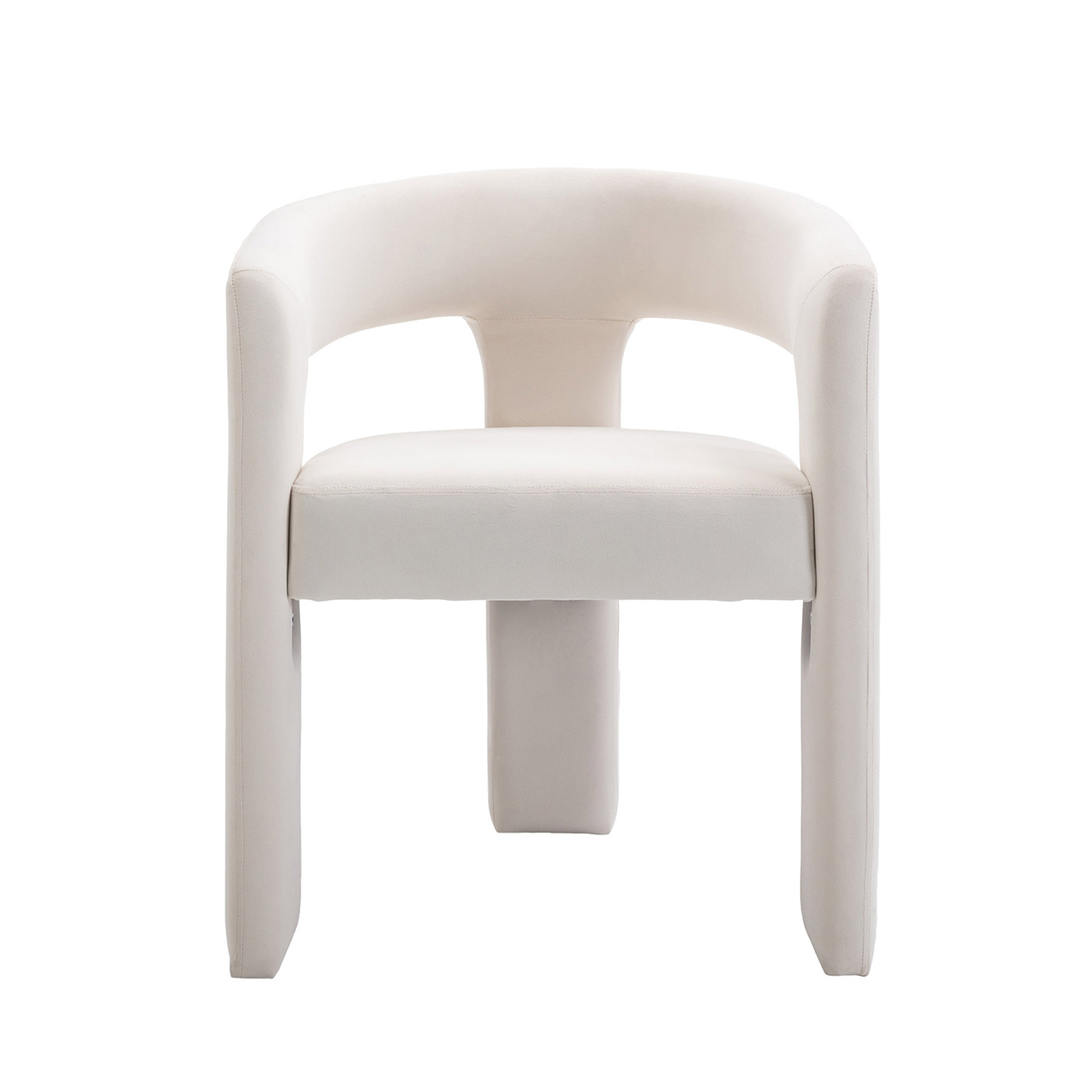
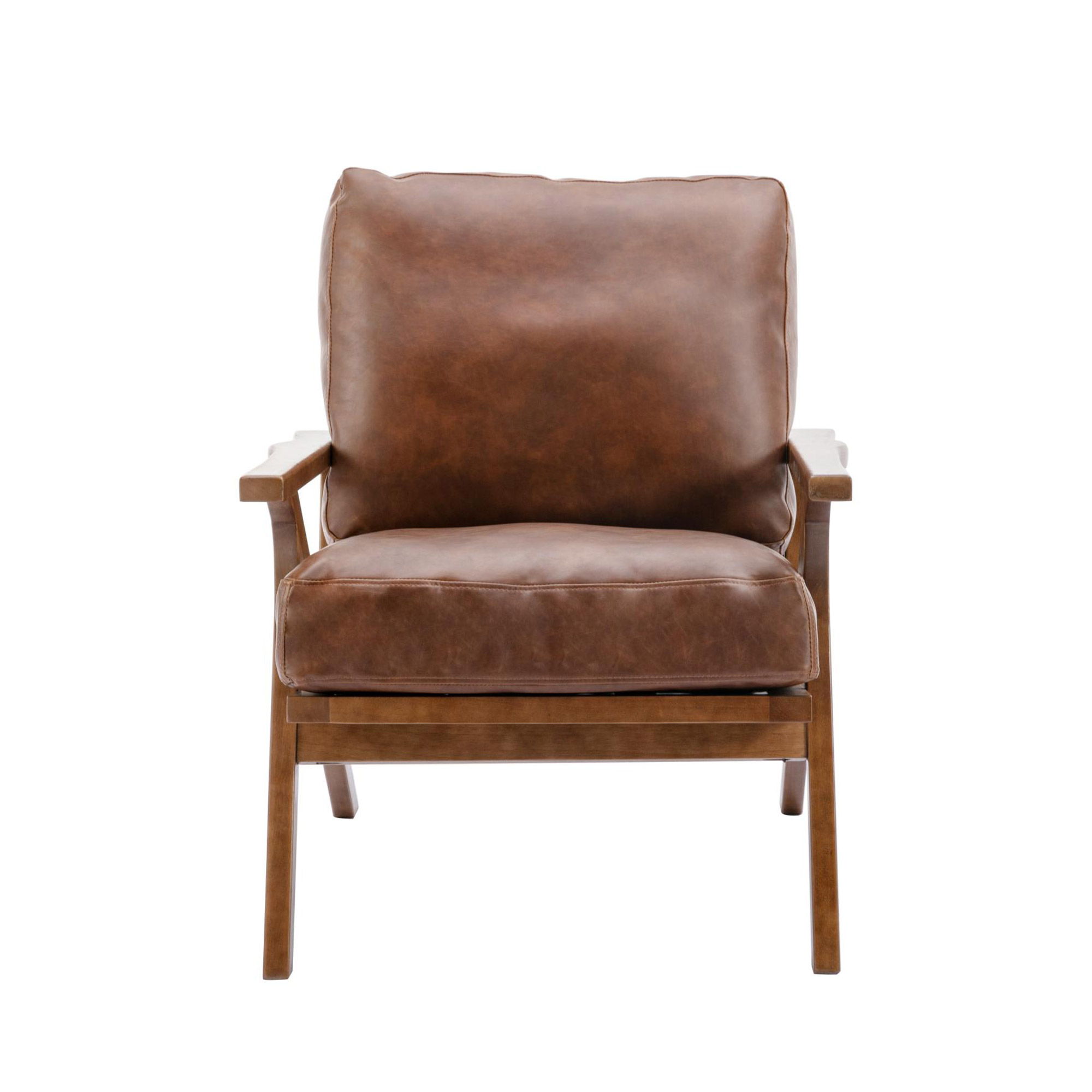
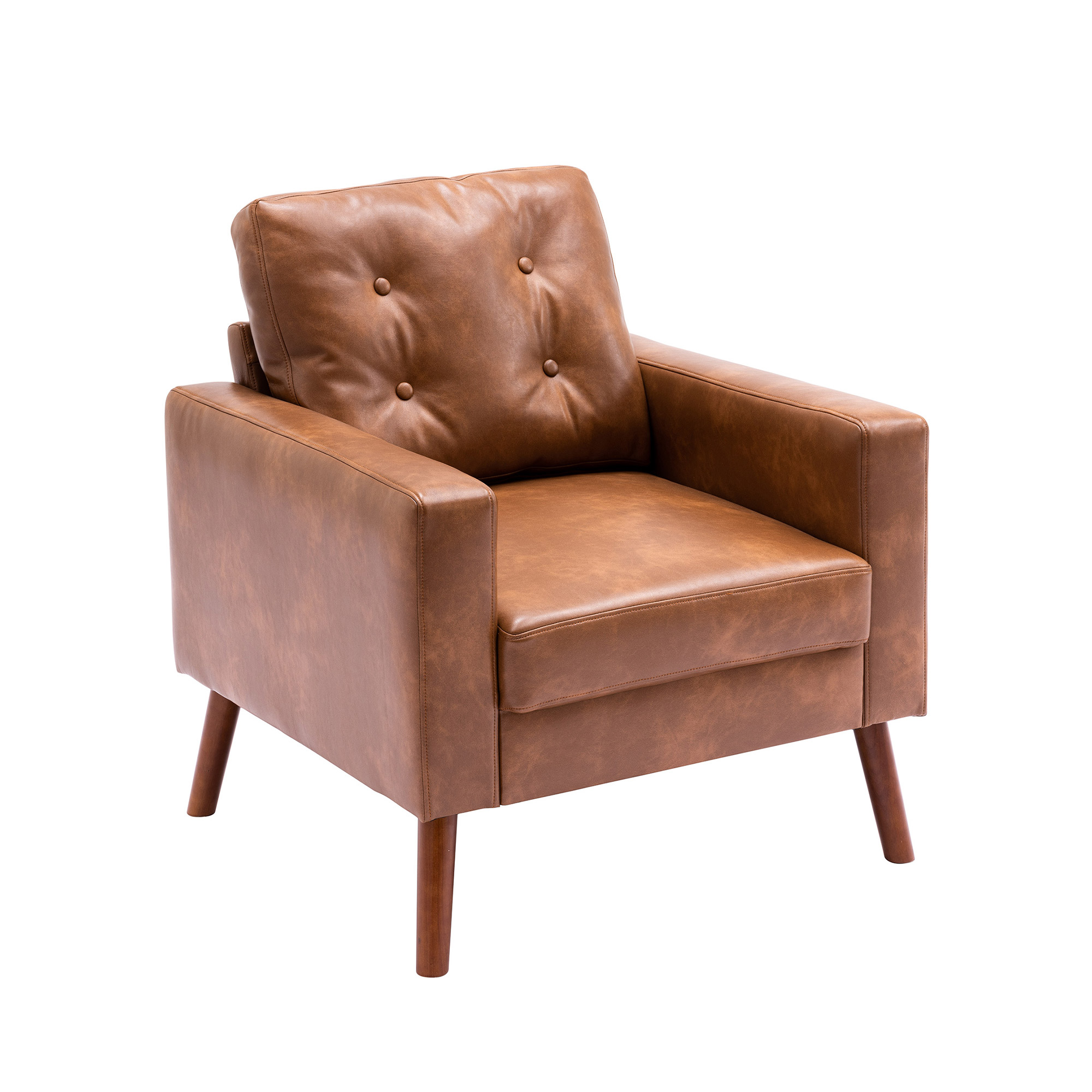
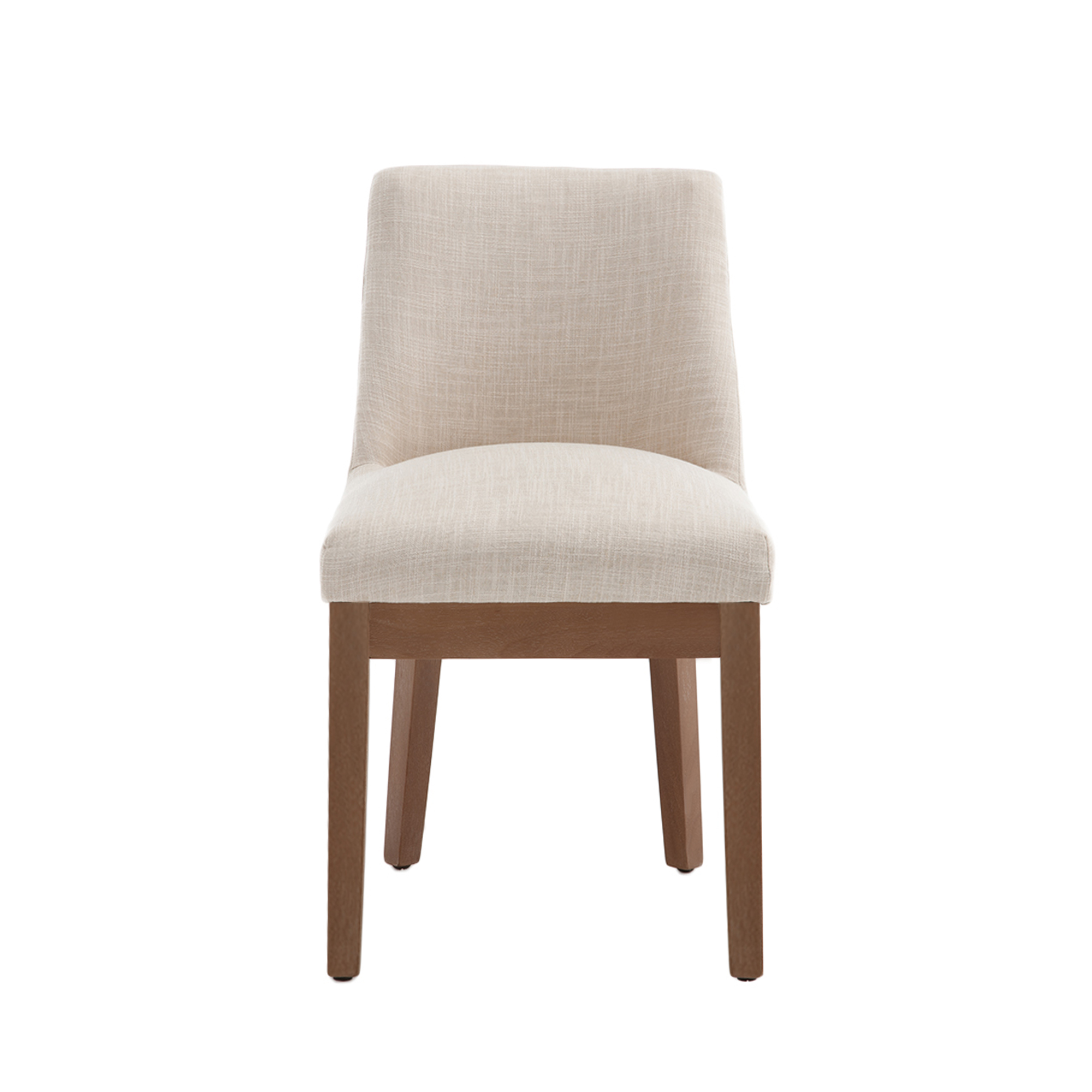
Mid century dining chairs continue to be one of the most popular seating choices for the modern American dining room. Known for clean lines, tapered legs, organic curves, and a balanced mix of solid wood, fabric, velvet, and metal, this style brings a timeless yet practical look to almost any dining area.
Whether you are furnishing a first home, upgrading a small apartment, or choosing a new set of chairs for your family, mid century modern seating offers both visual appeal and everyday function. However, before buying a new dining chair collection, it is important to understand the pros, cons, and material differences.
Below, we break down the key benefits, possible drawbacks, and the comparison between wood, teak, walnut, rosewood, and metal designs to help you find the right chairs for your home.
The Pros and Cons of Mid Century Dining Chairs
When choosing mid century dining chairs, style is only one part of the decision. You also need to think about comfort, durability, available space, and how much time you spend in your dining area each day.
The Pros of Mid Century Dining Chairs
1. Clean Lines That Fit Many Homes
One of the biggest advantages of mid century modern furniture is its simple and elegant silhouette. The clean lines make these chairs easy to pair with different dining tables, rugs, lighting, and wall colors.
A mid century dining chair can work in a minimalist apartment, a warm family home, or a more eclectic dining room. This makes the style highly versatile and ready for both casual meals and special gatherings.
2. Space-Saving Seating for Smaller Dining Areas
Many mid century dining chairs are designed with slim legs, compact frames, and armless profiles. This makes them ideal for apartments, breakfast nooks, and smaller dining room layouts where every inch of space matters.
3. Timeless Style That Does Not Feel Outdated
Unlike short-term furniture trends, mid century modern design has remained popular for decades. Materials like teak, walnut, and rosewood continue to feel warm, refined, and timeless.
This means a well-chosen dining chair collection can stay relevant for a long time. For homeowners who do not want to replace furniture every few years, this style offers strong long-term value.
4. Many Material and Fabric Options
Today’s mid century dining chairs are sold in many different finishes and fabrics. You can find solid wood frames, teak dining chairs, walnut legs, metal frames, neutral upholstery, white boucle, and soft velvet seats.
This wide range makes it easier to match your chairs with your existing dining table and home décor. If your dining room needs warmth, wood is a great option. If your space needs a more modern edge, metal can work well.
5. Good Balance of Style and Comfort
Many modern versions are designed with padded seats, curved backs, and supportive shapes. This makes them more comfortable for family dinners, weekend hosting, or even occasional work-from-home use at the dining table.
For buyers who care about both design and comfort, upholstered mid century chairs are usually a better choice than hard plastic or very rigid vintage-style models.
.jpg?w=4000&h=2248)
The Cons of Mid Century Dining Chairs
1. Some Designs May Not Be Comfortable for Long Sitting
Not every mid century dining chair is built for long periods of sitting. Some very minimal chairs focus more on shape than support. Hard seats, low backs, or narrow frames may look beautiful but feel less comfortable over time.
If you often host dinner parties, work at your dining table, or have family meals that last longer, look for chairs with padded seating, curved backrests, and supportive proportions.
2. Metal Designs May Feel Less Warm
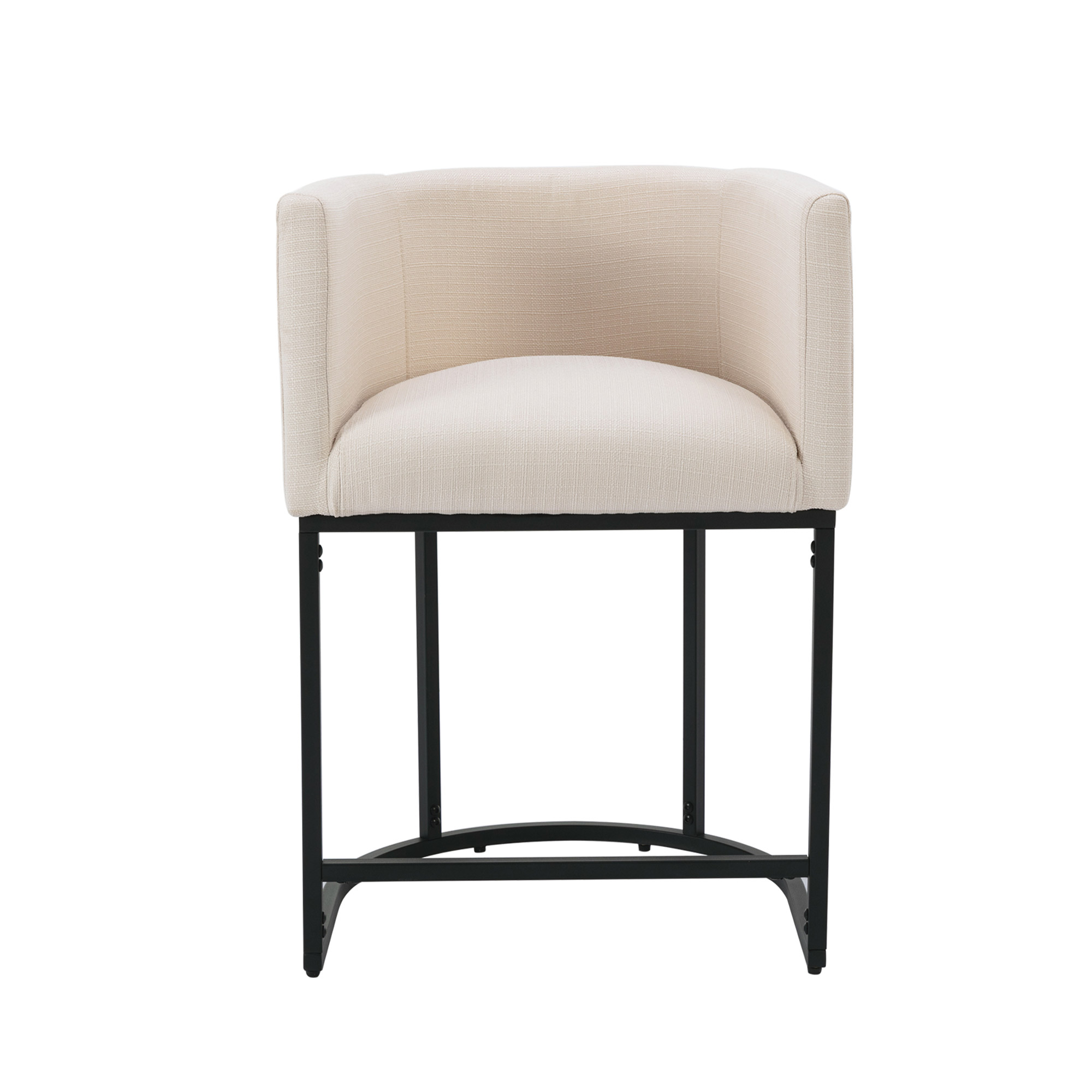
Metal frame mid century chairs can look sleek and modern, but they may not bring the same natural warmth as solid wood. In a dining area that already feels cool or minimal, metal chairs may need to be softened with fabric, velvet, cushions, or warmer décor.
Wood vs. Metal: Which Mid Century Dining Chair Material Is Right for You?
Material is not just a design choice. It affects comfort, durability, maintenance, weight, and how the chairs work in your everyday home.
Solid Wood Mid Century Dining Chairs
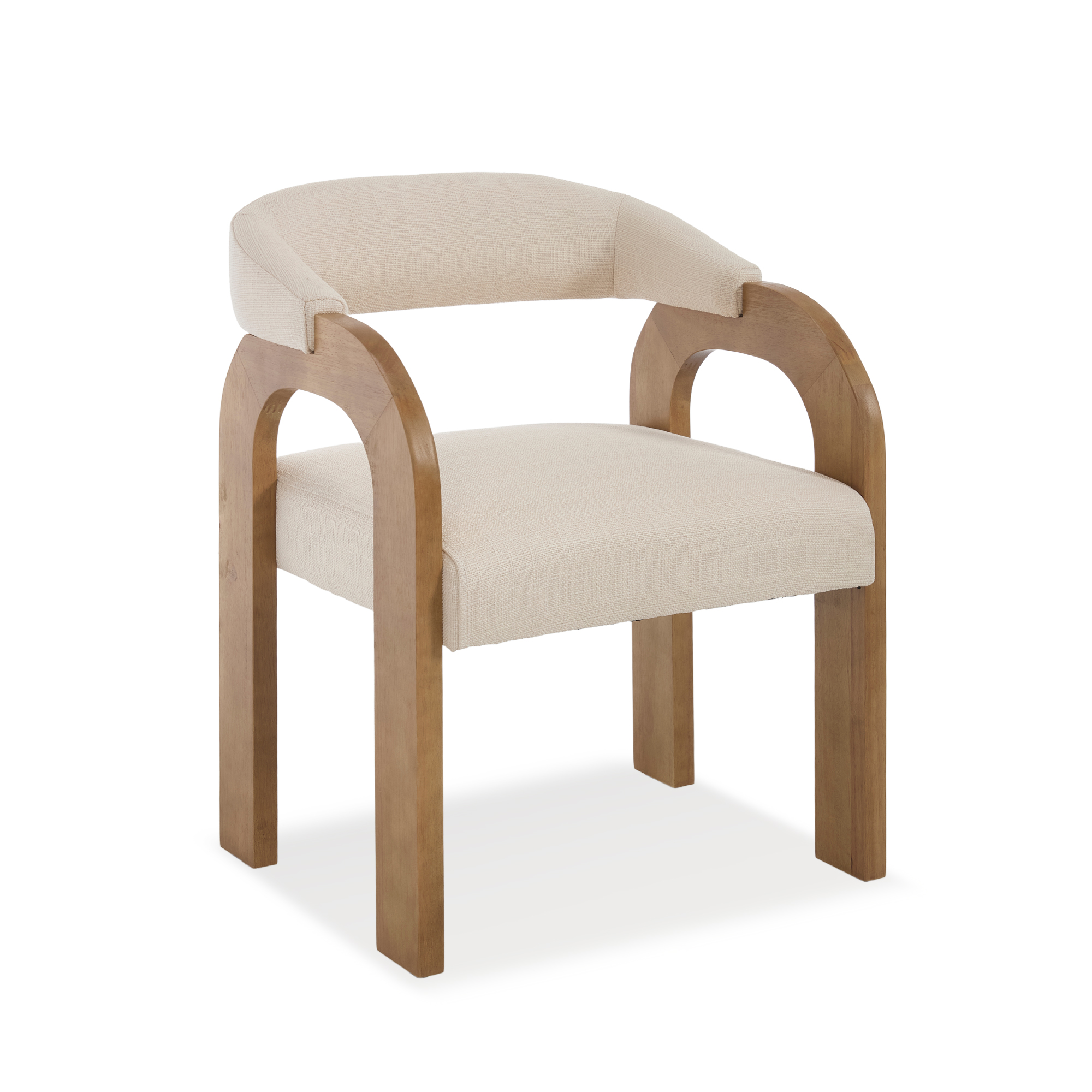
Solid wood is the classic material behind many iconic mid century modern designs. Woods like teak, walnut, and rosewood are strongly associated with this style because they offer warmth, character, and long-lasting visual appeal.
Why Choose Wood?
Wooden mid century dining chairs are ideal if you want a natural and timeless dining room. They pair beautifully with round tables, rectangular wood tables, neutral rugs, and warm lighting.
Teak dining chairs are especially popular because teak has a rich tone and strong natural durability. Walnut offers a deeper, more refined look, while rosewood can create a more premium and distinctive appearance.
Best For:
-
Warm and natural dining rooms
-
Family homes with classic style
-
Buyers who want long-term durability
-
People who prefer timeless furniture over short trends
-
Dining areas with wood, rattan, or neutral décor
Potential Drawbacks:
Wood chairs can scratch or stain if not cared for properly. They may also be heavier than metal chairs and can cost more depending on the wood type and construction.
If you choose solid wood, make sure the chair is designed for everyday use, not just visual appeal.
Metal Frame Mid Century Dining Chairs
Metal frame mid century dining chairs bring a slightly more modern or industrial feel to the classic mid century silhouette. They are often lighter, durable, and easier to maintain than some wood options.
Why Choose Metal?
Metal chairs or chairs with metal legs can be a good choice for busy households, apartment renters, or shoppers who want a clean, contemporary look. They often work well with upholstered seats, velvet finishes, or white and neutral fabric designs.
Metal also adds strength and stability, which can be useful for daily seating in a family dining room.
Best For:
-
Modern apartments
-
Small dining areas
-
Buyers who want durability with less maintenance
-
Homes with black, white, or neutral décor
-
People who move chairs often
Potential Drawbacks:
Metal may feel cooler or less organic than wood. It can also make noise on hard floors if the chair does not have protective foot pads. For better comfort, choose a metal frame chair with a padded seat or upholstered back.
Wood vs. Metal Dining Chairs: Quick Comparison
|
Feature |
Metal Frame Chairs |
|
|
Style |
Warm, timeless, classic mid century |
Sleek, modern, slightly industrial |
|
Common Materials |
Teak, walnut, rosewood, rubberwood |
Steel, iron, coated metal |
|
Comfort |
Depends on seat design; better with upholstery |
Better when paired with padded seating |
|
Best For |
Warm dining room, family home, classic décor |
Apartments, modern homes, high-use spaces |
|
Space |
Can feel heavier visually |
Often lighter and more compact |
What About Velvet Mid Century Dining Chairs?
If comfort and visual softness are important, velvet mid century chairs can be a great option. Velvet adds texture and makes the dining room feel more polished. It works especially well in neutral, black, green, navy, or white dining room designs.
However, velvet may require more care than leather or performance fabric. For families with kids or pets, choose treated velvet or easy-clean upholstery where possible.
Velvet is best for shoppers who want their dining chair set to feel more elegant and ready for hosting.
.jpg?w=4000&h=2000)
How to Choose the Right Mid Century Dining Chairs for Your Home
Before buying, think about how your dining area is actually used.
If your dining table also works as a laptop space, choose chairs with better back support and padded seating. If you have a small apartment, choose armless chairs that save space. If your family eats together every day, prioritize durability and easy cleaning.
For a warmer home, choose solid wood, teak, or walnut. For a more modern look, choose metal legs or mixed-material chairs. If you want a softer, more stylish dining room, consider upholstered or velvet designs.
A good mid century dining chair should not only look beautiful. It should also support your daily routine, your family needs, and the amount of time you spend around the table.
FAQs
1. Are mid century dining chairs comfortable enough for working from home?
Yes, but it depends on the design. If you use your dining table as a desk, look for mid century dining chairs with padded seating, a curved backrest, and enough support for longer sitting time. A beautiful chair is not enough if it does not provide daily comfort.
2. Should I choose mid century chairs with or without arms?
Armless chairs are better for saving space because they slide easily under the table. Chairs with arms offer a more relaxed, lounge-like feel and can be more comfortable for long meals. For smaller dining rooms, armless chairs are usually the more practical choice.
3. How do I maintain teak, walnut, or rosewood mid century chairs?
Dust the chairs regularly with a soft cloth and clean spills quickly. Avoid harsh cleaners, standing water, and direct sunlight. For teak, walnut, or rosewood, use a suitable wood polish or conditioner when needed to protect the finish over time.