


Choosing the right upholstery fabric for modern dining chairs is not simply about finding a color or texture you love. The best fabric should match your lifestyle, dining habits, interior style, and willingness to clean and maintain the furniture.
For chairs used every day, choose a tightly woven, easy-to-clean, and durable material. Homes with pets or children may benefit from polyester blends, performance fabrics, or faux leather. Linen, wool, chenille, cotton, and velvet can create a softer or more sophisticated look, but their durability and care requirements vary.
The fabric that looks beautiful on a website may not always hold up well against spilled drinks, pet hair, fading, stains, and daily wear. Before you shop, determine how the chair will actually be used in your home.
Match Upholstery Fabric to Your Lifestyle
A formal dining room used only for holidays can support more delicate fabrics than a casual breakfast area used several times a day. A chair that also functions as a workspace needs upholstery that can withstand longer sitting periods and frequent contact.
Families with young children should look for a durable fabric that is easy to clean and suitable for everyday use. Polyester and other synthetic fibers are popular because they can offer good stain resistance, color retention, and durability without feeling overly heavy duty.
Pet owners should avoid fabrics with loose loops or an open weave. Cats’ claws may catch on textured materials, while dog hair can become trapped in soft, high-pile upholstery. A smooth, tightly woven surface is often a great choice because it is easier to vacuum and may reduce visible wear and tear.
.jpg?w=2000&h=1000)
Look Beyond the Fabric Name
The fabric name alone does not determine durability.
A chair described as linen may use pure linen, a linen-and-cotton mix, or polyester fibers designed to create a natural linen look. A velvet chair may be made from cotton, polyester, or another synthetic material. Each construction can feel and perform differently.
Before buying, check:
-
The complete fiber composition
-
Manufacturer cleaning instructions
-
Whether the upholstery has stain-resistant protection
-
Whether the cover or slipcovers are removable
-
Available abrasion, pilling, and fading information
-
Whether the fabric is suitable for homes with pets or children
-
Whether direct sunlight may change the colors over time
Do not assume that terms such as “performance fabric,” “pet-friendly,” or “heavy duty” guarantee that a material will remain perfect for years. Read the product specifications and care information to understand what has actually been tested.
Comparing Popular Fabrics for Dining Chairs
Polyester and Performance Fabrics
Polyester is one of the most popular upholstery materials for modern dining chairs. It can be woven to look like linen, cotton, wool, or velvet while remaining relatively easy to clean.
A tightly woven polyester fabric can be a good choice for a busy home because it tends to resist wrinkling and everyday wear. It is also available in bold colors, classic patterns, casual neutrals, and sophisticated textures.
However, quality varies between products. Check the fabric weight, weave, cleaning code, and test information rather than choosing a chair simply because it contains polyester.
Linen and Linen Blends
Linen gives furniture a cool, relaxed, and natural appearance. It can pair beautifully with wood dining tables, neutral rooms, woven throw pillows, and modern organic design.
Pure linen may wrinkle, absorb stains, and show wear more quickly than some synthetic fabrics. Linen blended with polyester or cotton can provide a similar style with easier maintenance and additional durability.
This material is suitable for adults who enjoy a casual, lived-in look and do not mind occasional wrinkles. It may be less practical in a room where children frequently eat or pets regularly climb onto the chairs.
Cotton Upholstery
Cotton feels soft and natural, making it comfortable to touch. It accepts colors and print patterns well, which makes it useful for both classic and bold furniture styles.
On its own, cotton may absorb moisture and stains more readily than polyester. A cotton blend or treated cotton upholstery fabric may be easier to protect and maintain.
Before choosing cotton, check whether the manufacturer recommends professional cleaning or allows gentle spot cleaning at home.
Chenille
Chenille has a soft, inviting surface that can make an upholstered chair feel warmer and more comfortable. It is often a great choice for people who spend a long time around the dining table, whether eating, working, or enjoying conversations.
Its texture can create a sophisticated look without feeling too formal or expensive. However, crumbs, dust, and pet hair may settle into the fibers. Regular vacuuming can help the material hold its appearance.
Velvet
Velvet creates visual depth and works well in modern, glamorous, or classic interiors. Deep colors can feel bold and luxurious, while lighter colors produce a softer design.
The pile may show pressure marks, fading, dust, or directional shading. Some people enjoy this changing texture, while others prefer upholstery with a more consistent look.
Polyester velvet is often easier to maintain than delicate natural velvet, but shoppers should still check the care instructions before using water or cleaning products.
Wool and Wool Blends
Wool is a natural upholstery material known for warmth, texture, and resilience. It can create a refined chair that works well in both modern and classic rooms.
Quality wool upholstery may be more expensive than common synthetic fabrics. It can also require more careful cleaning. A wool blend may provide the look and touch of natural fibers while improving practicality.
Leather and Faux Leather
Leather can develop character over time and may work well in a sophisticated dining room. Genuine leather is durable when properly maintained, but it can be expensive and may show scratches.
Faux leather is popular with households that want a smooth, wipeable surface. It can be easy to clean after minor spills, but quality varies. Lower-quality materials may peel, crack, or fade with heat, sunlight, and repeated use.
Check the exact material, cleaning restrictions, and product warranty before choosing leather or faux leather upholstery.
Think About Color, Print, and Patterns
Color affects more than style. It also determines how easily the chair shows crumbs, fading, stains, and pet hair.
Very light colors may show food marks, while extremely dark solid colors can reveal lint and pale pet hair. Mid-tone colors, small patterns, and textured fabrics often hide everyday marks more effectively.
A bold print may turn a chair into the focal point of the room, while a neutral upholstery fabric is easier to pair with a changing table, rug, sofa, couch, or throw pillows. Keep the long-term design of the home in mind rather than choosing only according to a current trend.
Use Performance Numbers Carefully
Abrasion tests can help compare fabrics, but a higher number does not automatically mean that a chair will last longer in every home.
Real durability also depends on the weave, fibers, seams, cushion construction, cleaning routine, exposure to sunlight, body weight, pets, and frequency of use. A strong fabric attached to a poorly constructed chair may still develop problems.
Treat test results as one piece of evidence rather than a guarantee. For residential dining furniture, the goal is to find a balanced upholstery fabric that offers suitable durability, comfort, style, and care requirements.
Order a Fabric Sample When Possible
Colors and textures can look different on a website than they do in your room. A sample allows you to check the fabric beside your dining table, flooring, wall colors, sofa, pillows, and other materials.
Look at the sample in daylight and artificial light. Touch it, bend it, rub it gently with a clean white cloth, and see whether pet hair or crumbs cling to the surface. Consider whether you would still enjoy the texture after sitting on it every day.
There is no single upholstery fabric that is perfect for every household. The right choice is the one that fits your lifestyle, feels good to touch, works with your furniture, and can hold up to the way you genuinely use the room.
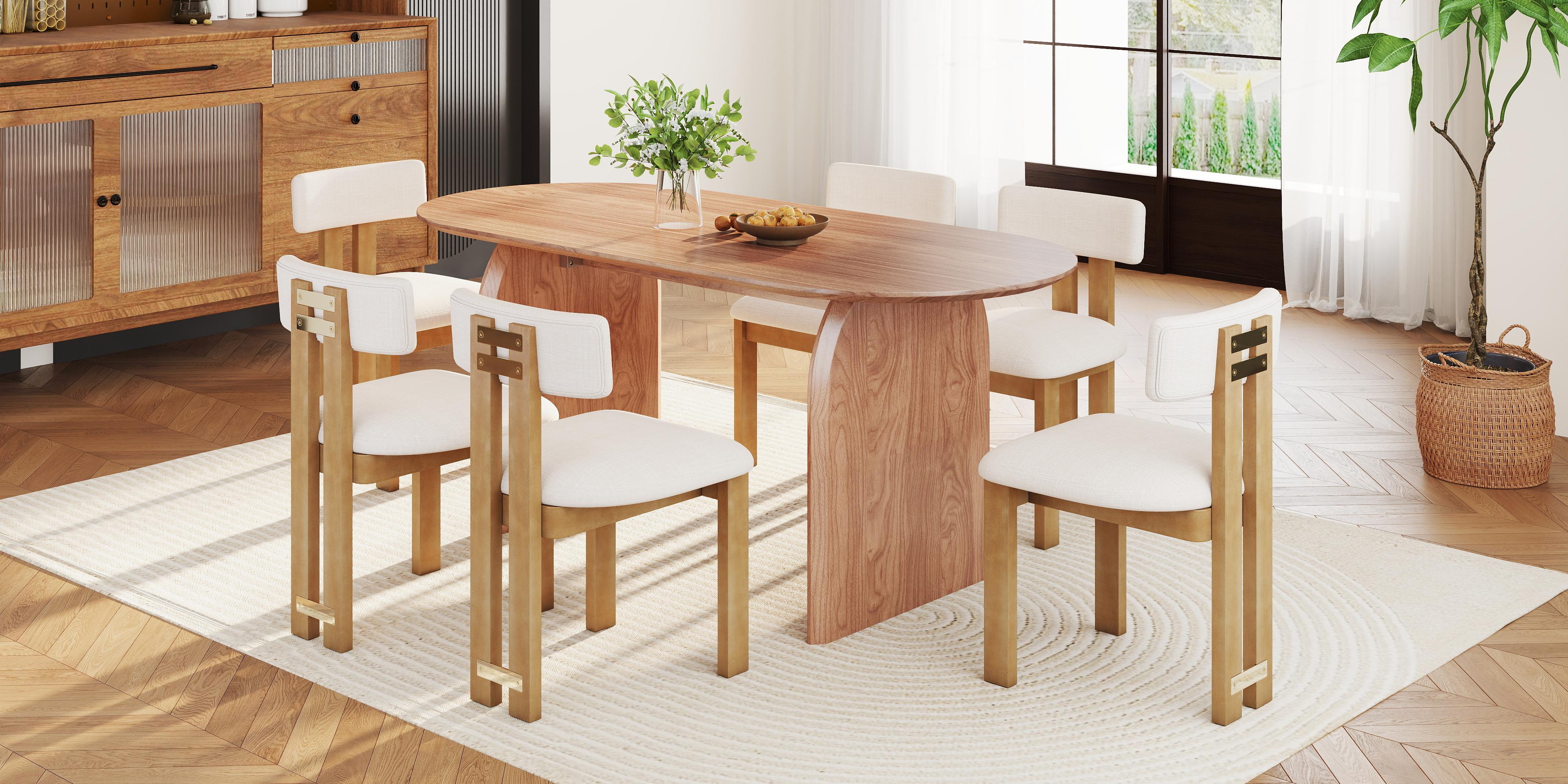
Explore Dayalane’s modern upholstered dining chairs to compare fabric, velvet, chenille, linen-look, leather, and faux leather options designed for different dining spaces and interior styles.