
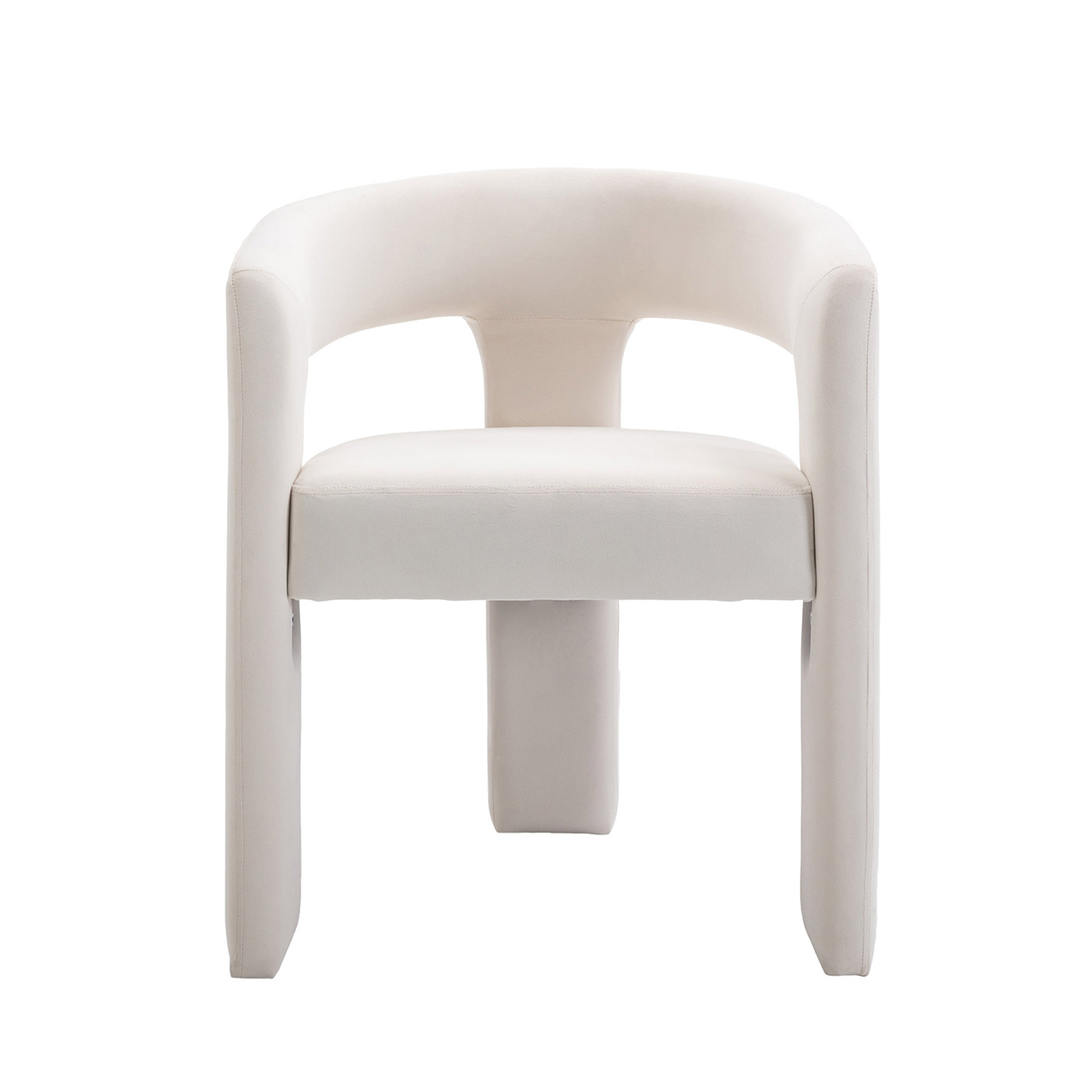
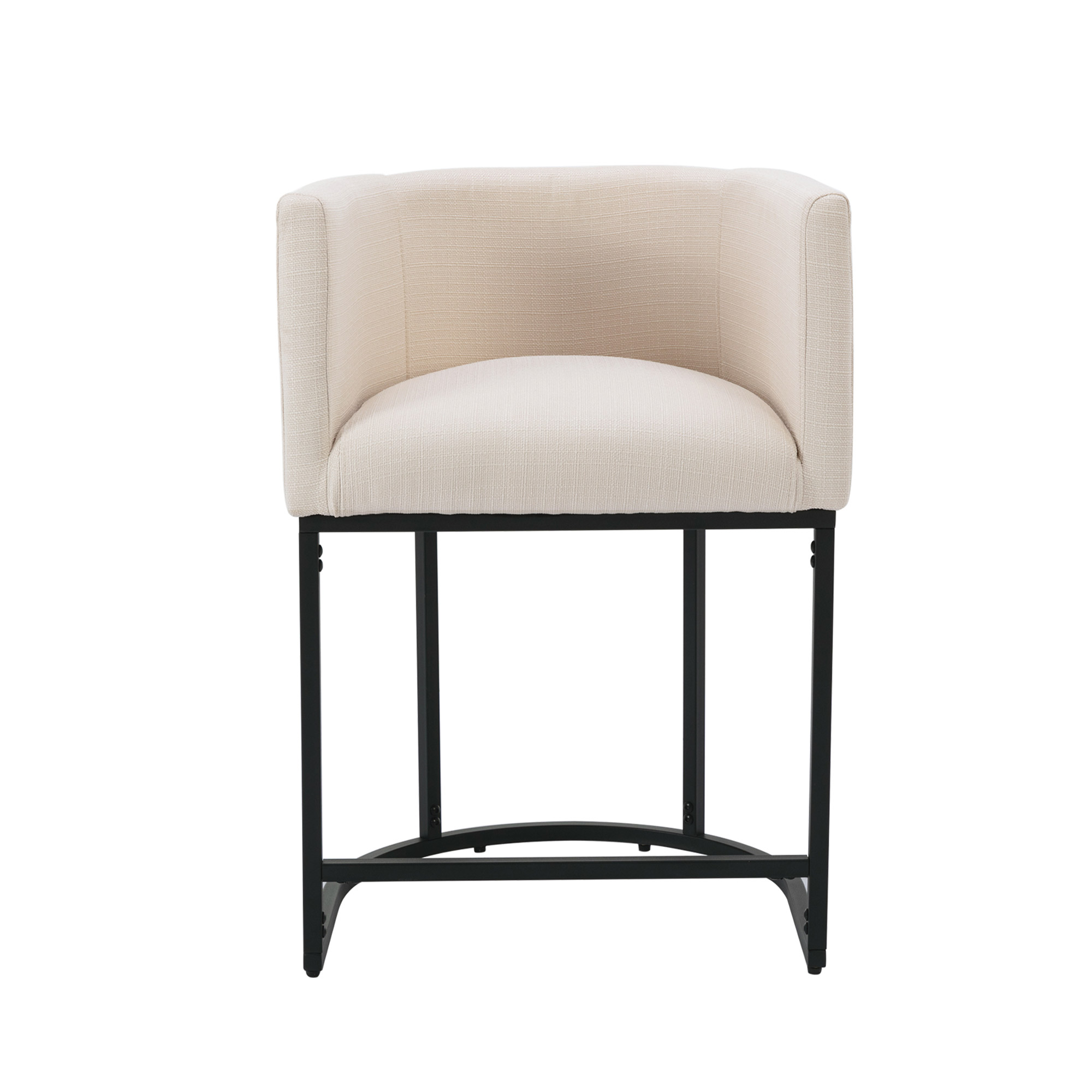
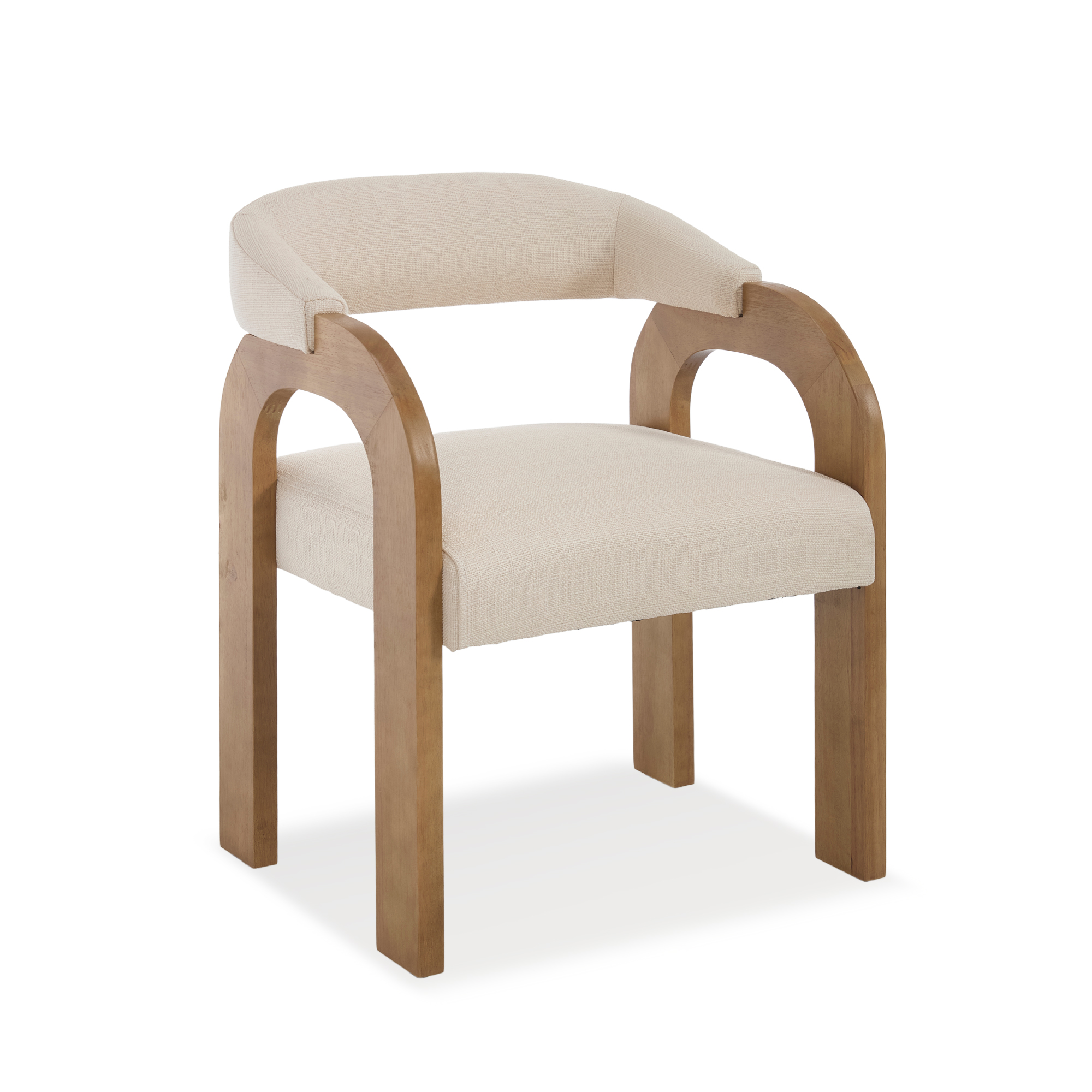
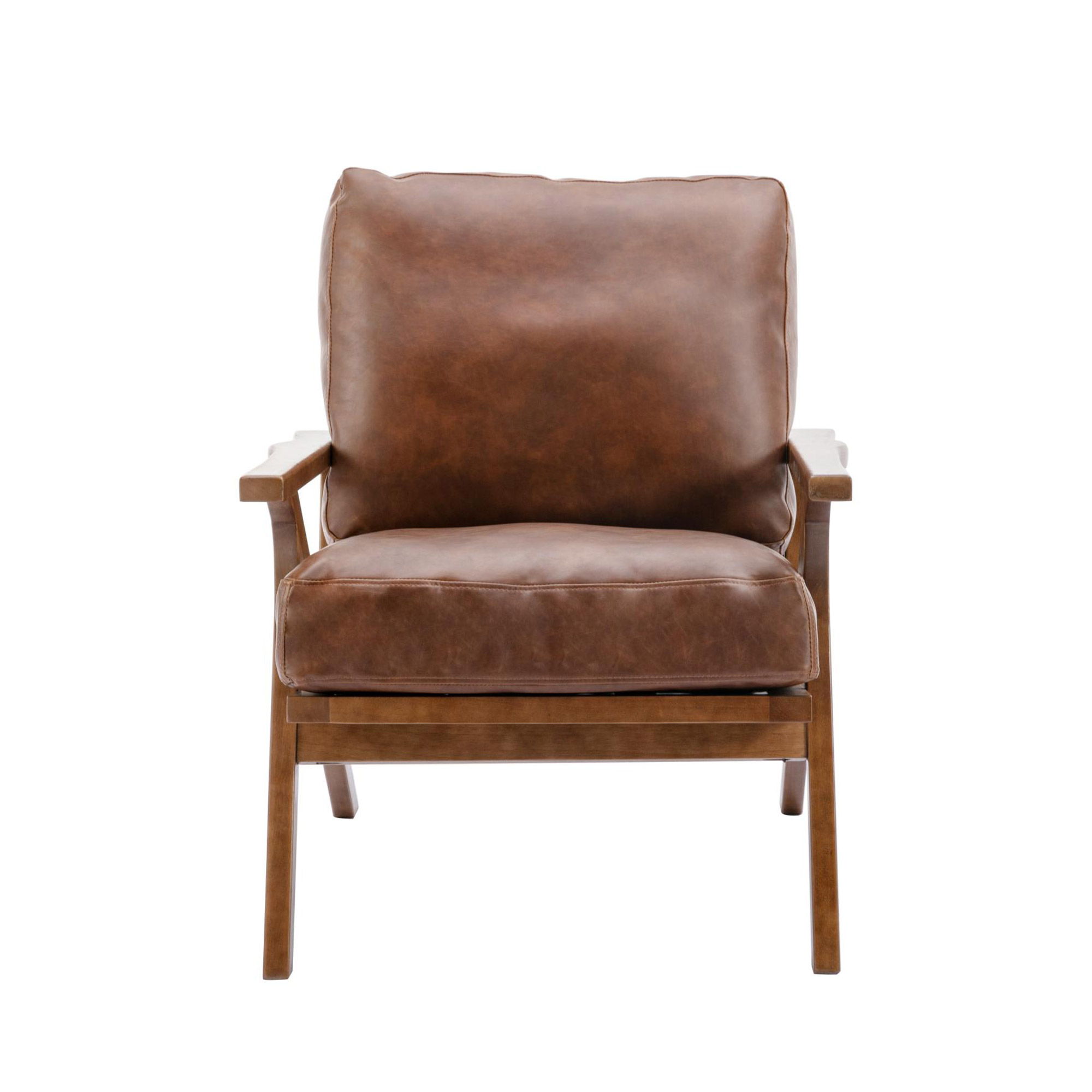
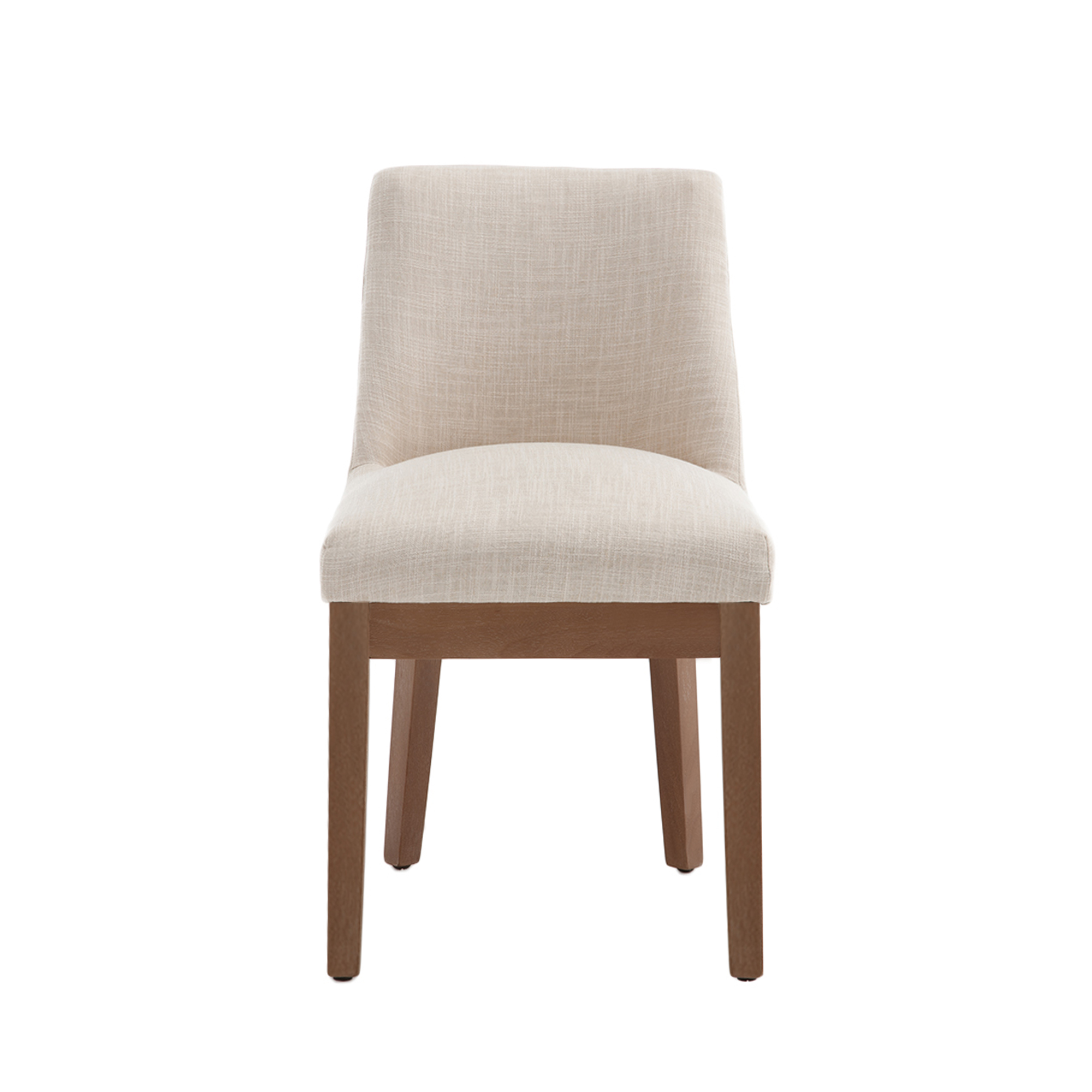
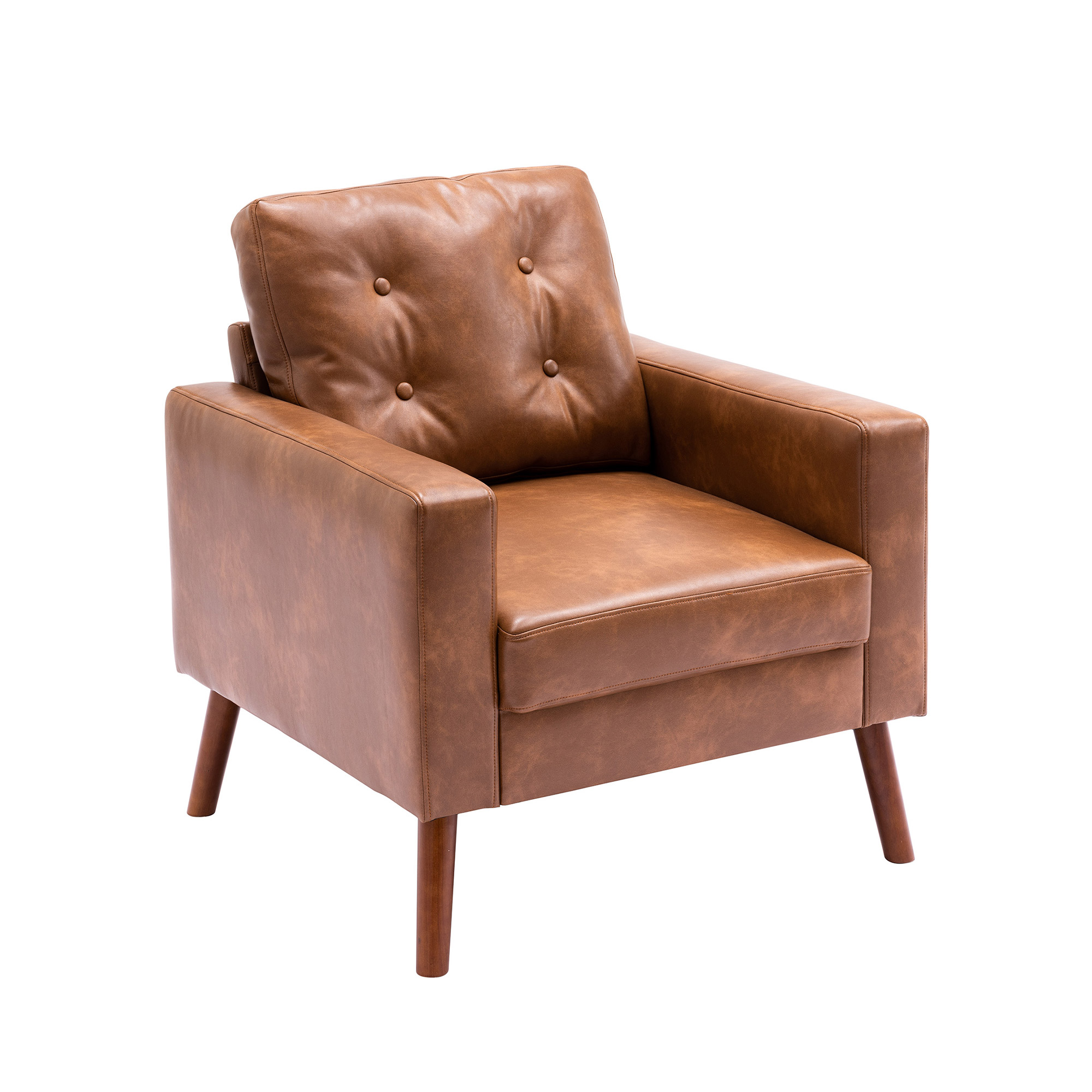
Choosing the right chairs is one of the most important decisions you’ll make when furnishing a dining room. Chairs aren’t just decorative pieces—they support everyday life, from quick breakfasts to long family dinners with loved ones and friends. Among the many options available today, the debate often comes down to solid wood vs engineered wood. Both materials appear across dining chairs, side chairs, benches, and even bar stool designs, but they perform very differently over time.
If you’re investing in dining room furniture and want to create a space that feels beautiful, comfortable, and built to last, understanding these differences matters. This guide breaks down solid wood construction and engineered wood in plain language, helping you choose chairs that truly enhance your dining experience.
Why Chair Material Matters More Than You Think
When shopping for dining room chairs, many people focus on style, color, or fabric first. While these details matter, what’s underneath—the wood—determines durability, comfort, and long-term quality.
Chairs experience constant stress:
- People shifting weight during meals
- Chairs being pulled in and out from a dining table
- Kids climbing, guests leaning back, and daily movement
Unlike a table or bench, a chair must support the body repeatedly. That’s why material choice plays such a central role in comfort, durability, and safety.
What Are Solid Wood Dining Chairs?
Solid wood dining chairs are crafted entirely from natural wood planks, not glued layers or wood particles. Each component—legs, rails, backrests, and seats—is cut from real wood, giving the chair structural integrity from top to bottom.
Common solid wood options include:
- Maple – dense, smooth-grained, and highly resistant to dents
- Brown maple – warm tone, excellent for custom stains
- Red oak – visible grain, strong and traditional
- Walnut – rich, dark color with a refined, modern feel
- Cherry – smooth texture that deepens in color over time
Because solid wood is a natural material, every chair has subtle variations in grain and color. This is often seen as a feature, not a flaw—it’s what makes each piece unique.
Benefits of Solid Wood Construction
- Exceptional durability and long-term stability
- Strong joints that resist wobbling
- Can be refinished or repaired over time
- Ages gracefully, developing character rather than wearing out
Solid wood dining chairs are often associated with craftsmanship traditions, including amish-inspired techniques that prioritize joinery over shortcuts.
What Is Engineered Wood?
Engineered wood refers to materials made by binding wood fibers, veneers, or particles together with adhesives. Common examples include plywood, MDF, and particle board. These materials are widely used in dining room furniture because they’re affordable and easy to shape.
Engineered wood chairs often have:
- Uniform appearance
- Painted or laminated finishes
- Lightweight frames
While engineered wood can look stylish and sleek at first glance, it behaves differently under long-term stress.
Benefits of Engineered Wood
- Lower upfront cost
- Consistent color and surface
- Works well for contemporary or temporary spaces
For apartments, short-term homes, or light-use dining rooms, engineered wood chairs can be a practical solution.
Solid Wood vs Engineered Wood: Key Differences That Matter
| Key Feature | Solid Wood | Engineered Wood |
|---|---|---|
| Durability & Longevity | Decades (even generations) with proper care | Short to medium-term; vulnerable to moisture/ stress |
| Comfort & Ergonomics | Stable support; holds shape under weight | May flex slightly; less secure long-term |
| Weight & Stability | Heavier; stable (reduces tipping/sliding) | Lighter; less secure; may wobble over time |
| Repair & Refinishing | Can be sanded, stained, and repaired | Cannot be refinished; surface damage is permanent |
| Cost | Higher upfront; better long-term value | Lower upfront; lower long-term value |
| Uniqueness | Subtle grain/color variations; one-of-a-kind | Uniform appearance; no natural variation |
1. Durability and Longevity
Solid wood is naturally durable. With proper care, solid wood dining chairs can last decades, even generations. Engineered wood, by contrast, is more vulnerable to moisture, weight stress, and joint failure.
Over time, engineered wood chairs may:
- Loosen at joints
- Swell or crack near fasteners
- Lose strength under repeated use
For families hosting regular gatherings or frequent family dinners, durability quickly becomes a deciding factor.
2. Comfort and Ergonomics
Comfort isn’t just about fabric or cushions—it’s about how the frame supports the seat and back.
Solid wood frames:
- Provide stable ergonomic support
- Hold their shape under weight
- Feel more secure when leaning or shifting
Engineered wood frames may flex slightly, which can affect added comfort during long meals.
3. Weight and Stability
A solid wood chair typically feels heavier—and that’s a good thing. The weight adds stability, reducing tipping and sliding. Engineered wood chairs are lighter, which may be convenient but often feels less secure.
4. Repair, Refinishing, and Aging
Solid wood can be sanded, stained, or refinished. Scratches can be repaired, and finishes refreshed. Engineered wood cannot be refinished once the surface layer is damaged.
This difference alone often makes solid wood the better long-term investment.
How Wood Type Affects Style and Performance
Different wood options create different looks and performance characteristics:
- Maple & brown maple: smooth grain, ideal for modern dining chairs with clean lines
- Walnut: sleek and stylish, perfect for contemporary spaces
- Red oak: bold grain, works well in mission or traditional styles
- Cherry: elegant aging process, great for warm dining rooms
Solid wood also accepts a wide range of stains and finishes, allowing you to match chairs with your dining table, side chairs, or complete dining room sets.
Solid Wood in Modern Dining Chairs
There’s a common myth that solid wood looks heavy or traditional. In reality, many modern dining chairs rely on solid wood construction for slim profiles and sculptural forms.
Designers often choose solid wood because it can be:
- Shaped into thinner, stronger legs
- Combined with fabric seats for added comfort
- Used in sleek, minimalist silhouettes
Whether your style leans modern, contemporary, or transitional, solid wood fits seamlessly.
Engineered Wood: When Does It Make Sense?
Engineered wood isn’t inherently bad—it just has limitations. It can work well when:
- Budget is the top priority
- Chairs are used occasionally, not daily
- The space is temporary or transitional
For a formal dining room that’s rarely used, engineered wood chairs may meet your needs. However, for homes where the dining room is central to daily life, solid wood tends to perform better.
How Solid Wood Enhances the Dining Experience
The dining experience is about more than eating. It’s about connection—family, friends, conversations, and shared moments. Solid wood contributes to that experience in subtle but meaningful ways:
- Chairs feel grounded and stable
- Seating remains comfortable through long gatherings
- Natural wood adds warmth to the room
From casual breakfasts to celebrations, solid wood dining creates an atmosphere that feels intentional and welcoming.
Matching Chairs with Tables, Benches, and Bar Stools
When choosing chairs, consider how they pair with other pieces:
- A solid wood dining table pairs best with solid wood dining chairs
- Benches benefit from the same wood species for visual harmony
- Bar stool designs often echo the same wood and finish
Matching wood tones doesn’t mean everything must be identical. Complementary colors and finishes create depth while maintaining cohesion.
Care, Cleaning, and Preventing Damage
Solid wood chairs are easy to maintain:
- Wipe clean with a soft, damp cloth
- Use protective pads to prevent scratches on floors
- Avoid harsh chemicals that strip finishes
Minor scratches are part of living with real wood and often add character. Engineered wood, on the other hand, requires more caution, as surface damage is harder to fix.
Making the Right Choice for Your Home
When choosing between solid wood and engineered wood, ask yourself:
- How often will these chairs be used?
- Who will be using them—kids, guests, family?
- Do you want a long-term piece or a short-term solution?
For most homes, solid wood dining chairs offer better durability, comfort, and long-term value. They’re built to support everyday life and designed to grow with your home.
Final Thoughts: Invest in What Lasts
Chairs are more than functional objects—they’re part of daily rituals, celebrations, and quiet moments at home. While engineered wood offers many options at a lower price point, solid wood stands out for its strength, quality, and timeless appeal.
By choosing solid wood construction, you’re not just selecting a piece of furniture—you’re investing in comfort, durability, and a dining room that feels complete. Whether paired with a classic table, styled with fabric seats, or used as versatile side chairs, solid wood dining chairs remain a trusted foundation for a beautiful home.