
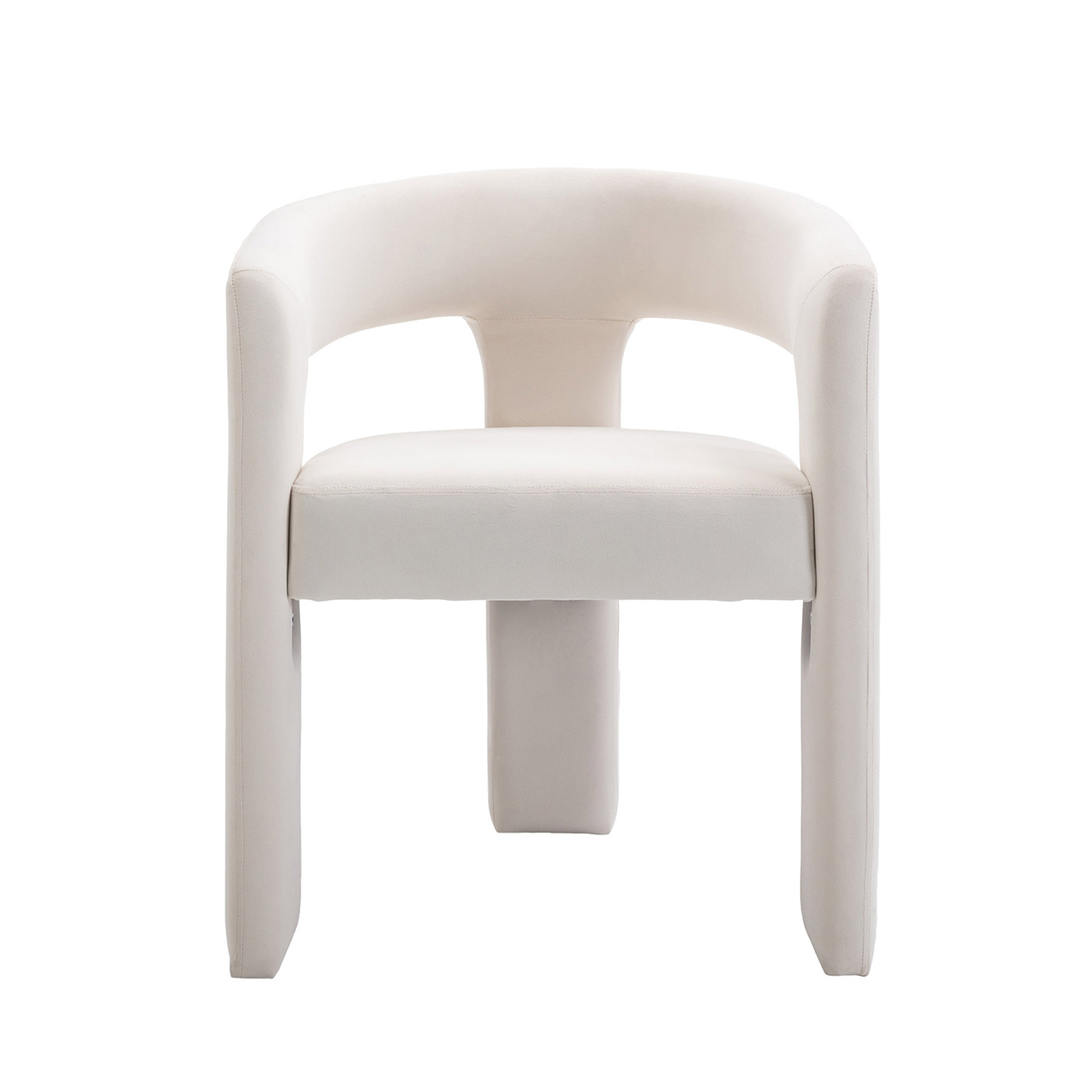
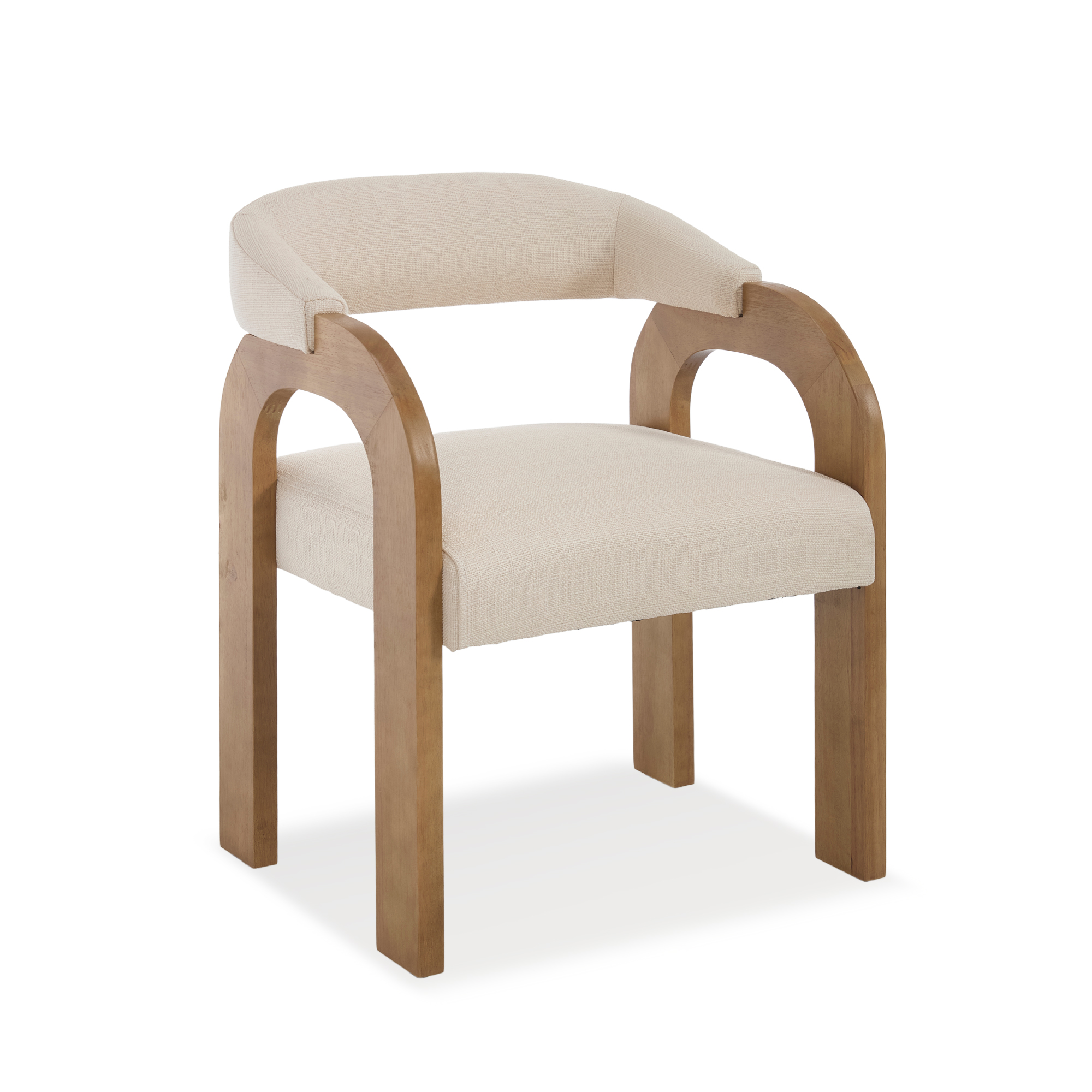
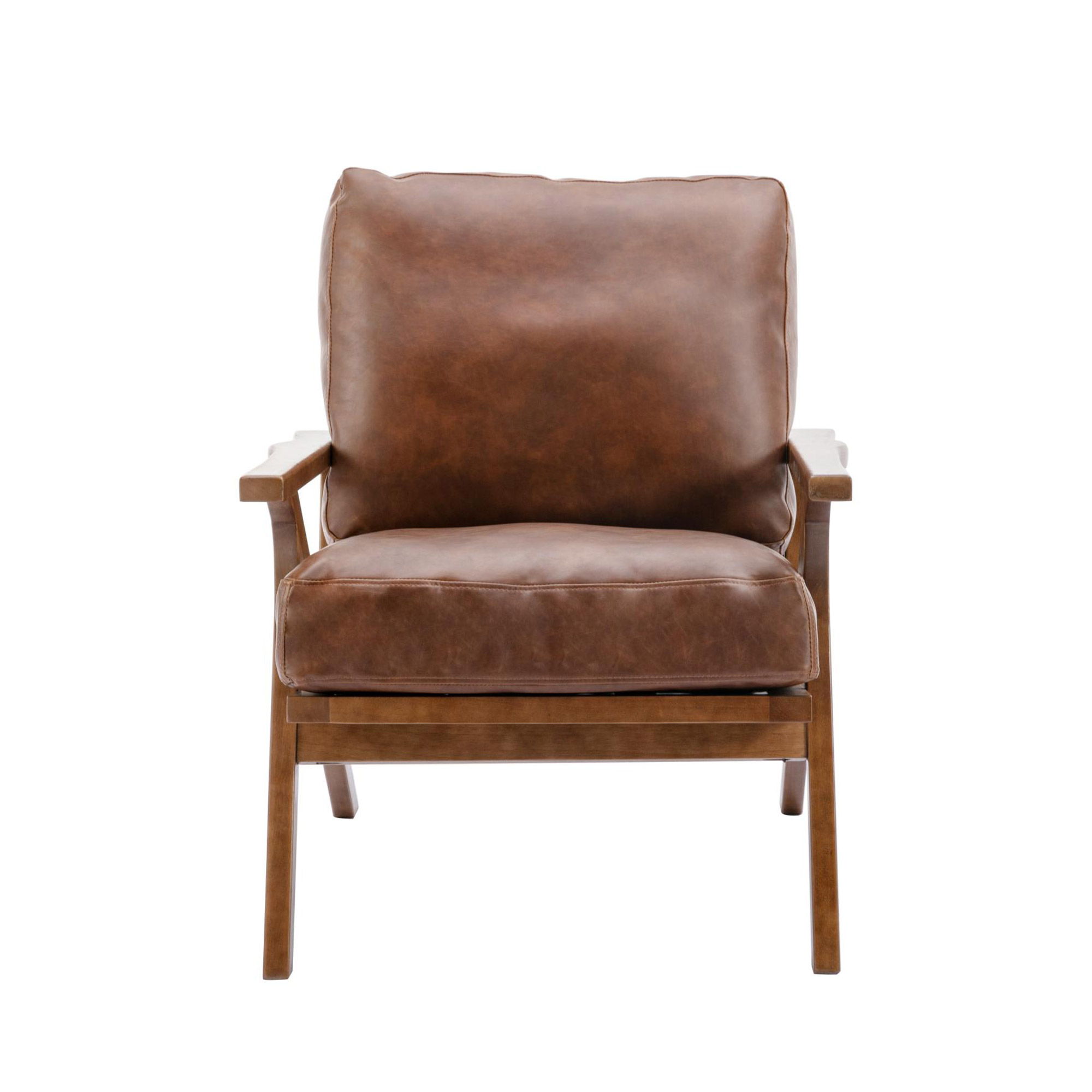
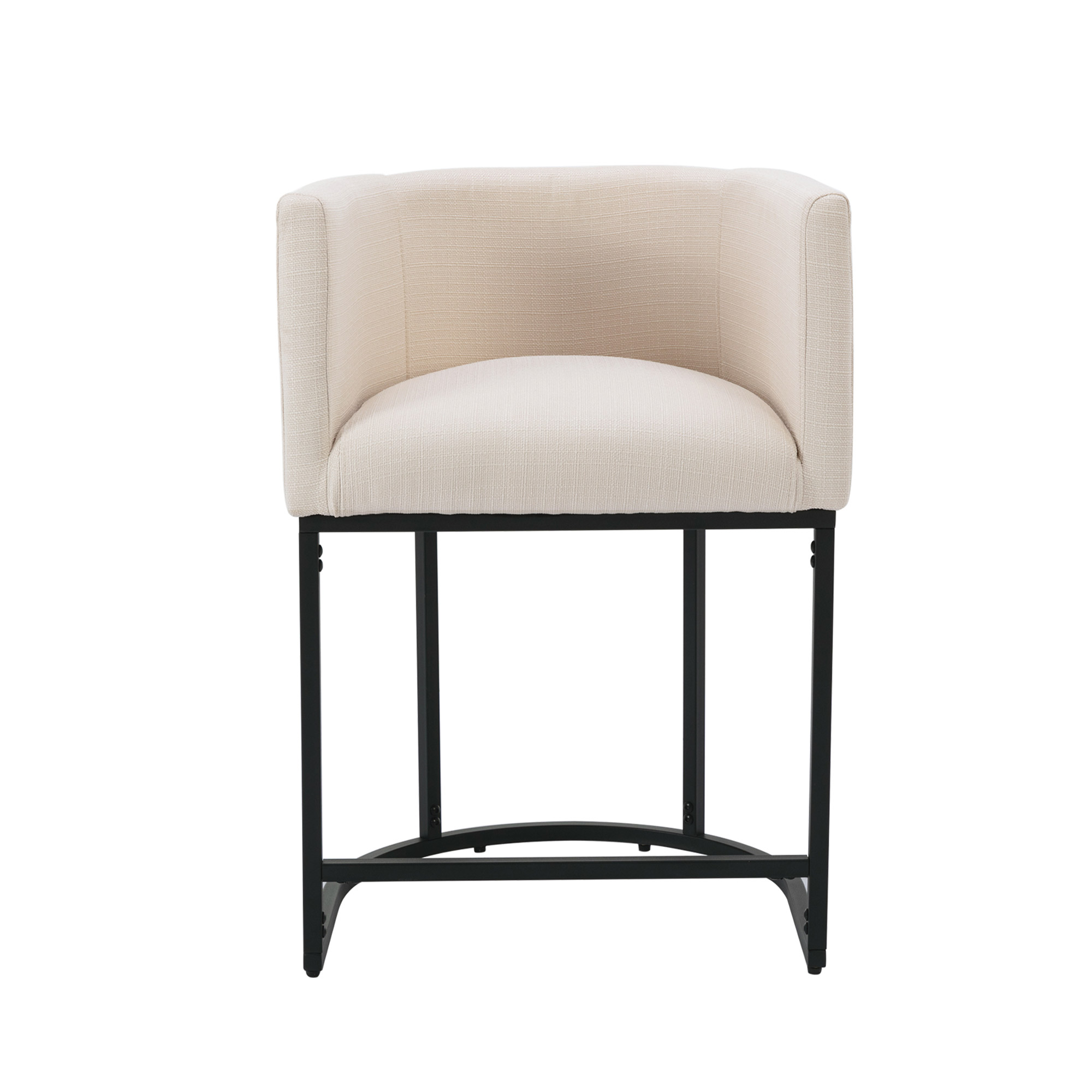
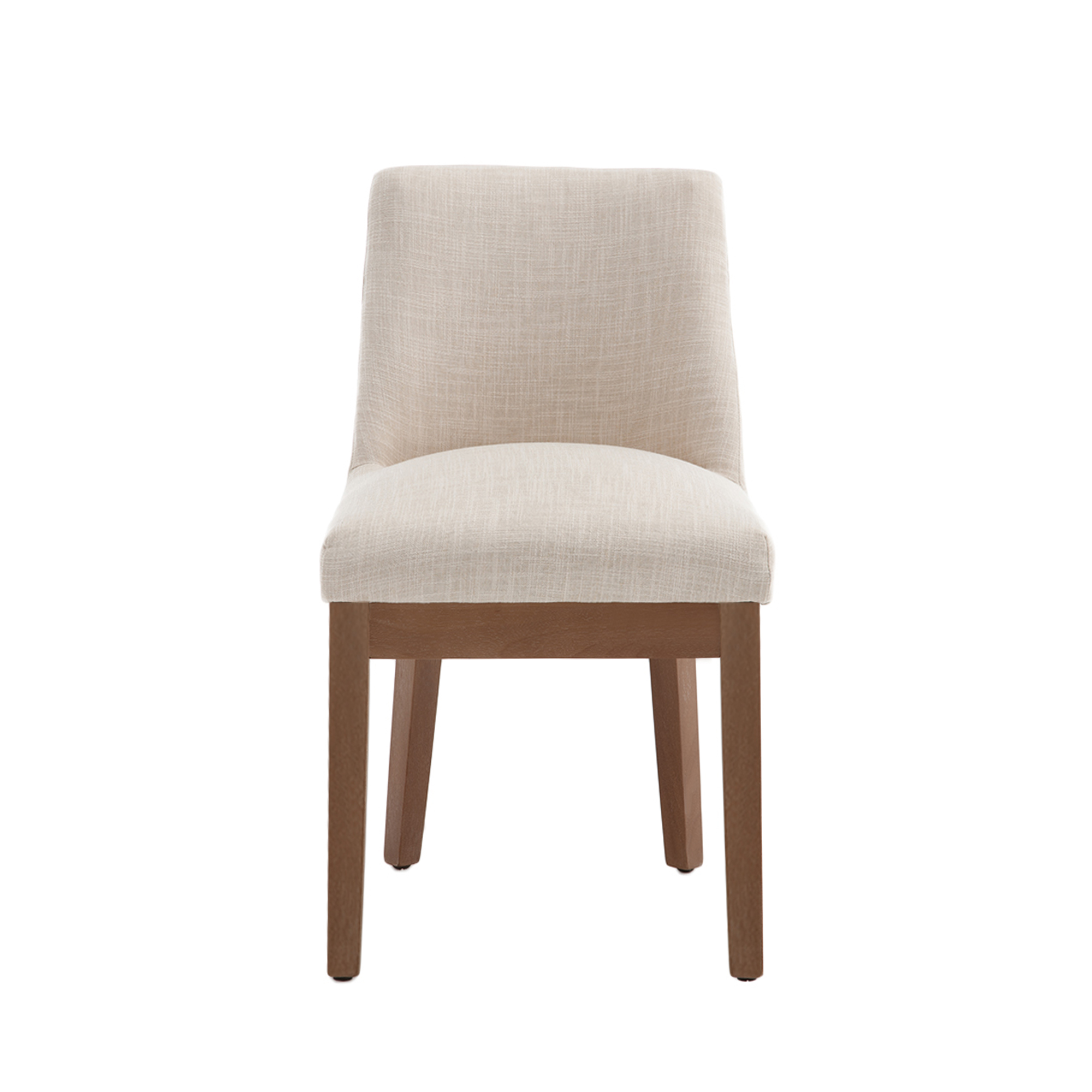
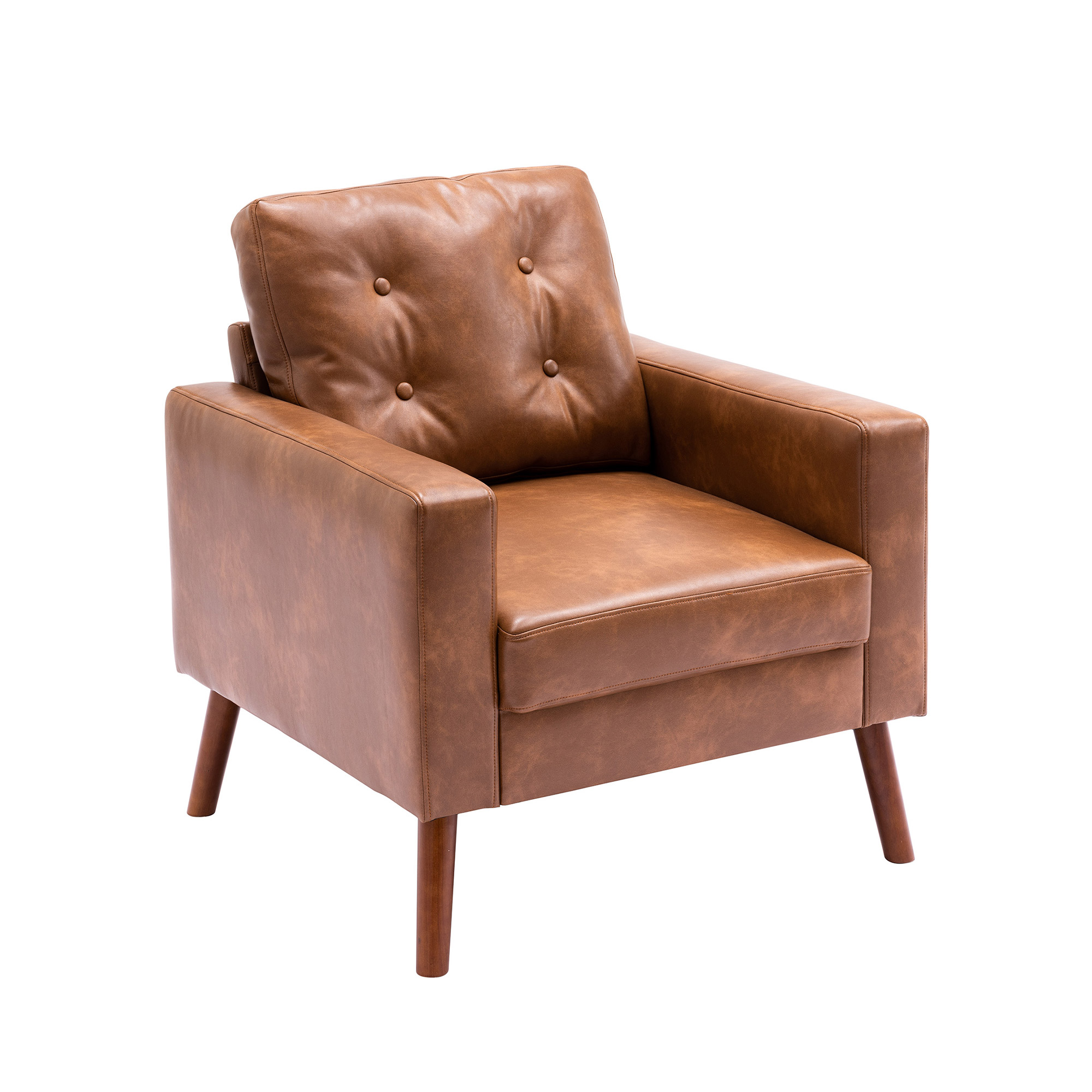
A dining chair may look simple, but it quietly shapes how a home feels and how people gather. From everyday family meals to hosting guests, the right choice can elevate the entire dining experience. This guide is written for real homes and real lifestyles—cutting through design jargon to explain how modern dining chairs work in practice, how to select the right size and height, and how materials, comfort, and style come together naturally.
Rather than chasing trends, this guide focuses on what lasts: thoughtful proportions, comfortable seating, durable materials, and a look that complements your dining table and space without overwhelming it.
1. What Makes a Dining Chair “Modern” Today?
Modern doesn’t mean cold or minimal to the point of discomfort. Today’s approach balances modern elegance with warmth, texture, and function. Clean lines, subtle curves, and intentional details define modern dining chairs, while materials like wood, upholstered seats, and soft color palettes make them feel lived-in rather than showy.
A modern dining chair often:
- Prioritizes comfort without visual heaviness
- Uses materials honestly—oak, walnut, fabric, or leather-like upholstery
- Fits seamlessly into different dining settings, from formal dining rooms to open kitchens
The goal isn’t to dominate the room, but to complement the table, the space, and the lifestyle of the people using it.
2. Getting the Size Right: Height, Proportion & Spacing
Seat Height vs. Table Height
One of the most common mistakes people make is ignoring height. A comfortable dining chair usually works best with a dining table around standard height. As a rule of thumb, the seat should allow enough legroom so people can sit naturally without feeling cramped.
Too high, and knees hit the underside of the table. Too low, and posture suffers. Chairs that accommodate different body types and sitting habits help the whole family enjoy meals longer without discomfort.
Chair Width & Spacing
Each chair needs enough space to move easily. Crowded dining seating makes gatherings feel tense, while thoughtful spacing allows people to relax. Side chairs are especially useful here, as they fit neatly along a table without taking up visual or physical space.
If your dining area is compact, choose chairs with slimmer profiles. In larger rooms, wider seats or armrests can add presence without clutter.
3. Comfort Is Not Optional—It’s Essential
A chair can look beautiful, but if it’s uncomfortable, it fails its purpose.
Seat Cushioning
Upholstered seats provide a softer sitting surface, making them ideal for longer meals or work-from-home moments at the dining table. Look for balanced cushioning—not too firm, not too soft—so the seat holds its shape over time.
Back Support
A well-designed backrest supports posture naturally. Slight curves, angled backs, or gently contoured designs make a noticeable difference during long conversations or extended dining.
Armrests: Yes or No?
Chairs with armrests feel luxurious and supportive, especially at the head of the table or in more relaxed dining spaces. However, armless chairs offer flexibility and are easier to tuck in fully, which helps maintain a clean look.
4. Materials Matter: Beauty Meets Durability
The materials you choose define both the look and longevity of your chairs.
Wood Frames
Wood remains a favorite for modern dining chairs because it ages gracefully. Oak offers a lighter, natural tone, while walnut brings depth and richness. Both are strong, reliable options that suit everyday dining.
Wood finishes can range from warm brown to crisp white or even muted gray, allowing chairs to blend with existing furniture or stand out subtly.
Upholstery & Fabric
Upholstered seats add comfort and texture. Neutral fabrics work well for long-term use, while colors like blue, green, or brown introduce personality without overpowering the room.
Durability matters here—fabrics should handle daily use, occasional spills, and repeated sitting without losing their shape or appeal.
5. Style & Color: Creating Visual Harmony
Coordinating with the Table
Dining chairs don’t need to match the table exactly, but they should complement it. A wood table pairs beautifully with upholstered seats for contrast. A minimalist table may benefit from chairs with subtle details that soften the look.
Color Choices
Neutral tones like white, gray, and brown are timeless and easy to style. For more character, muted blue or green chairs can add warmth while still feeling refined.
The key is balance—colors should enhance the dining area, not compete for attention.
6. Side Chairs, Bar Seating & Flexible Layouts
Not every dining setup looks the same. Side chairs are versatile and ideal for most tables, while bar-height seating works well for open kitchens or casual dining zones.
If your home includes both a dining table and a bar area, keeping materials or colors consistent helps unify the overall design. Even when chair heights differ, shared materials or finishes maintain cohesion.
7. Dining Chairs for Real Life: Family, Guests & Everyday Use
Dining chairs aren’t just furniture—they support daily life.
For families, durability and easy maintenance are key. Chairs should handle frequent use without constant worry. For those who love hosting guests, comfort and stability matter most. A well-designed chair encourages people to linger, talk, and enjoy the moment.
When chairs fit your lifestyle, the dining experience feels effortless rather than staged.
8. Choosing with Confidence: What to Look For Before You Shop
Before you shop, consider these practical details:
- Seat height that works with your table
- Materials that suit your daily routine
- Comfort that lasts beyond the first sit
- A style that feels right in your home
Look closely at construction details, weight, and finish quality. Thoughtful design often reveals itself in the small things.
9. Price, Value & Long-Term Thinking
Price should reflect quality, materials, and durability—not just looks. Investing in well-made dining chairs often means fewer replacements over time and a better daily experience.
Occasional discount opportunities can make higher-quality options more accessible, but value should always outweigh short-term savings.
10. From Selection to Home: Ordering, Stock & Delivery
Once you’ve chosen, practical considerations matter. Knowing what’s in stock, how items ship, and when they arrive helps set expectations and ensures a smooth process from order to home.
Reliable delivery and careful packaging protect your investment and allow you to enjoy your new dining seating without hassle.
Final Thoughts: Bringing It All Together
The right dining chair supports more than just a meal. It supports connection, conversation, and comfort—day after day. When size, height, materials, and style work together, the result feels natural and effortless.
Whether your goal is a quiet family dinner or a lively gathering with guests, choosing thoughtfully designed chairs transforms the dining area into a place people genuinely enjoy spending time in.
By focusing on comfort, durability, and timeless design, you create a dining space that reflects your home, your lifestyle, and the way you want people to feel when they sit down at the table.