
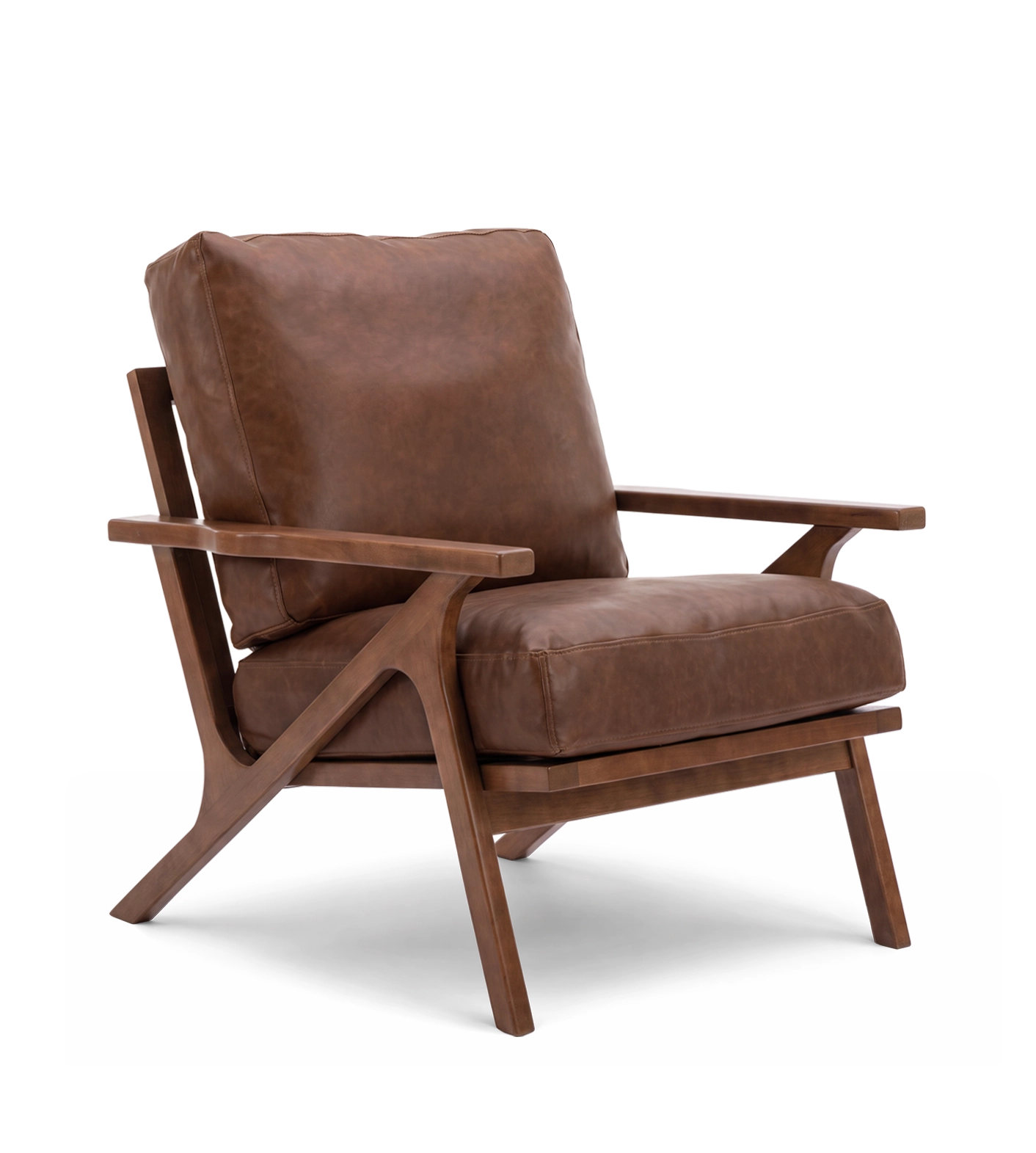
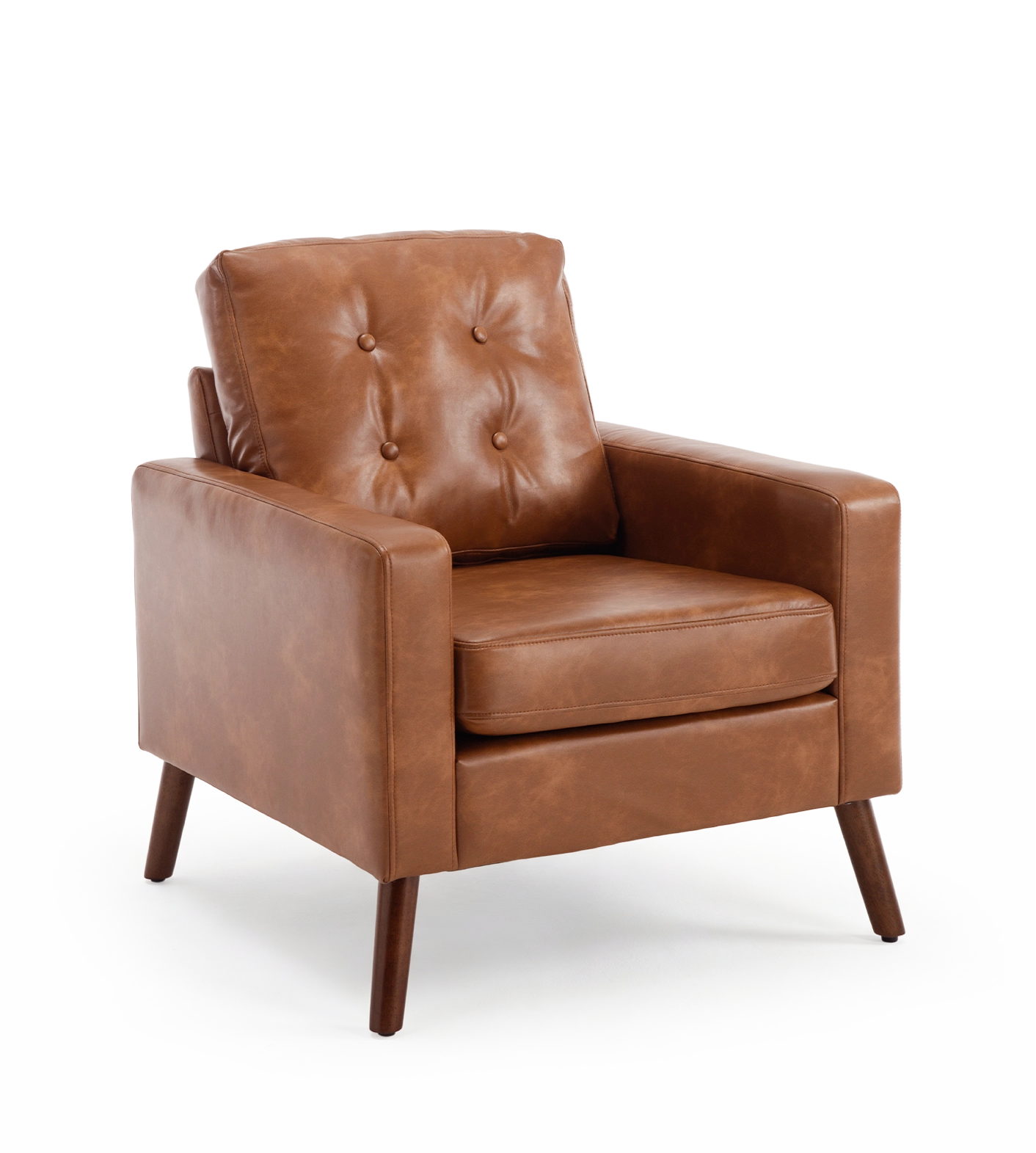
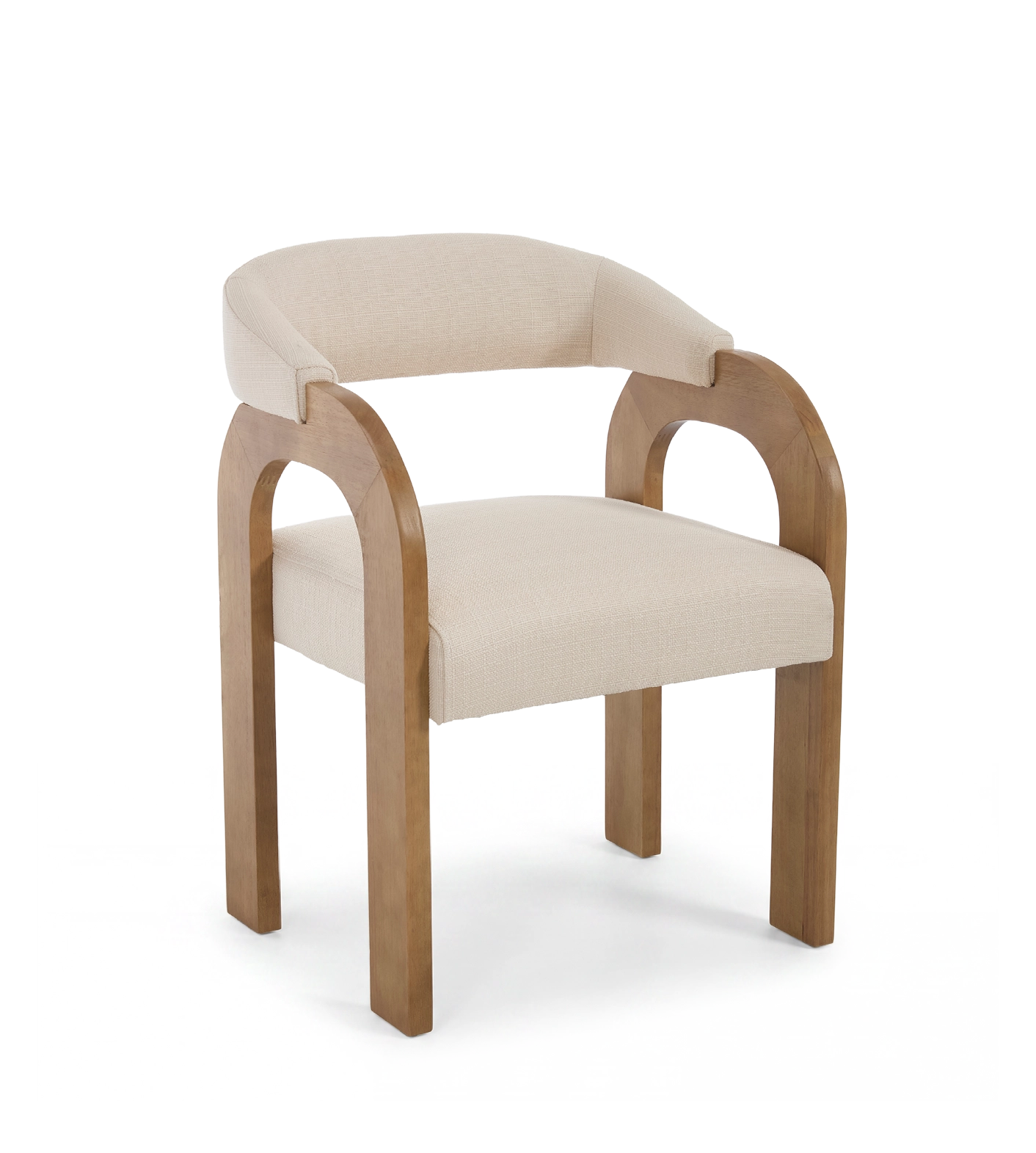
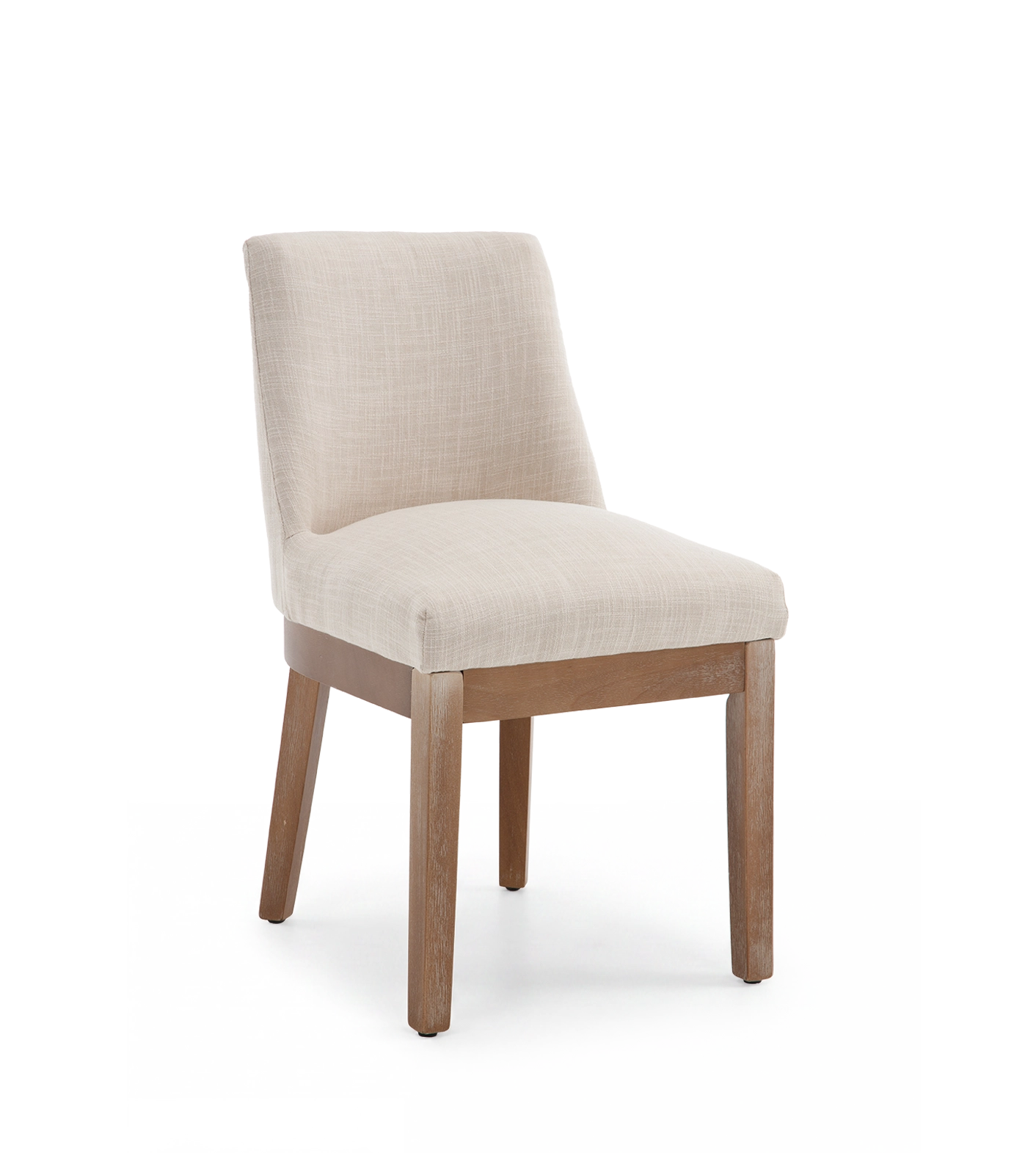
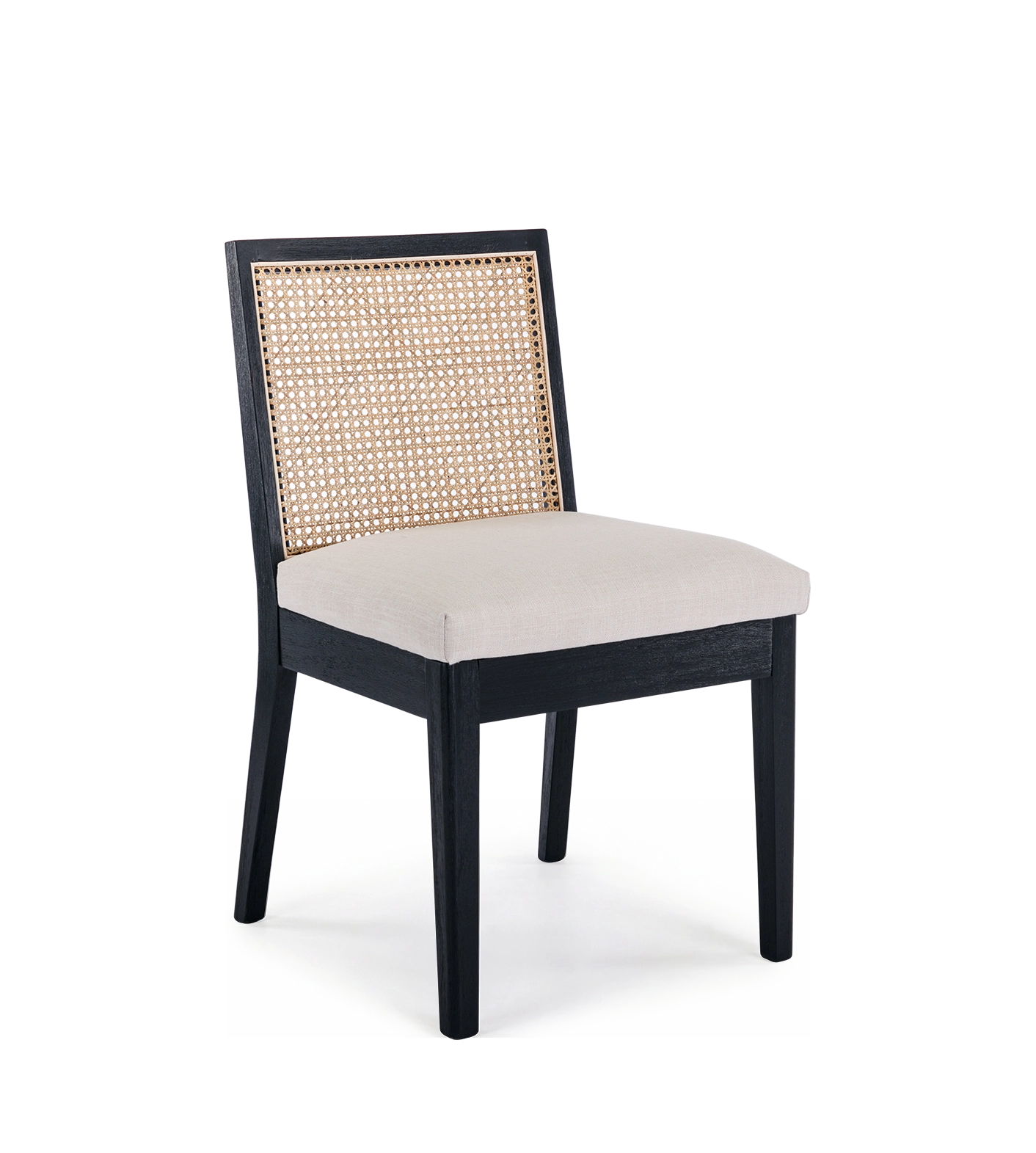
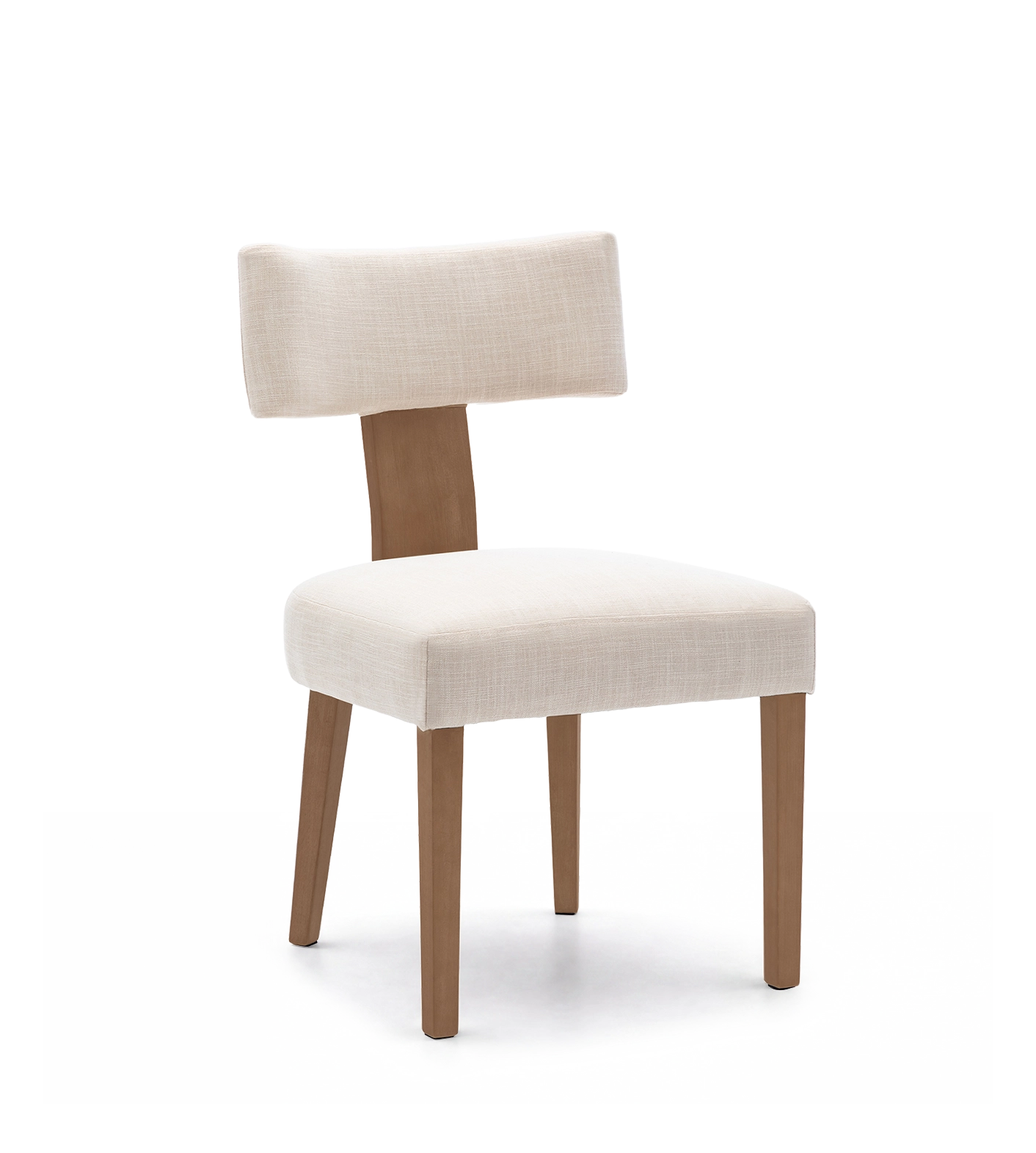
Mix and match dining isn’t a trend anymore—it’s a design approach that feels personal, flexible, and perfectly suited to modern homes. Instead of relying on a single dining set, more people are mixing dining chairs to create a dining room that feels layered, welcoming, and lived-in. When done well, mixed chairs bring character to the dining space while still feeling intentional and balanced.
The key is knowing how to match dining chairs with your dining table without making the room feel chaotic. From chair styles and materials to shape, color palette, and seating layout, this guide walks you through everything you need to confidently mix and match dining chairs with any table.
Why Mixing Dining Chairs Works in Modern Homes
Modern dining rooms are no longer formal, one-note spaces. Today’s dining area often doubles as a workspace, a gathering spot for guests, and a place for special occasions. Mixing dining chairs allows for flexible seating, visual interest, and a more relaxed feel.
Instead of matching chairs exactly, mixed chairs help create a stylish statement that feels collected over time. This approach works especially well in contemporary and mid century modern interiors, where clean lines and thoughtful contrast are already part of the design language.
Mix and match also makes practical sense. You can add two chairs at the ends, introduce upholstered chairs for comfort, or swap in a bench on one side of the table to maximize seating without overcrowding the room.
Start with the Dining Table as Your Anchor
Every successful chair combination starts with the dining table. Whether it’s a rectangular table in solid wood, a sleek table with metal legs, or a contemporary design with clean lines, the table sets the tone for the entire dining space.
Core Rule: Chairs don’t need to match the table—but they must respect its proportions (shape, scale, and materials).
Look at the table’s shape, scale, and materials. A heavy wood table pairs well with sturdy chairs that balance its visual weight. A lighter table can handle more playful or delicate chair styles.
For a rectangular table, symmetry often helps. Using end chairs or head chairs with arms at each end creates structure, while side chairs can vary in style or material.
Mix Chair Styles, Not Chaos
One of the biggest fears when mixing dining chairs is getting the wrong answers—chairs that feel random instead of curated. The key is mixing chair styles with intention.
A perfect example is pairing upholstered chairs with wood side chairs. The contrast in fabric and wood adds depth, while the shared scale keeps everything cohesive. Bentwood chairs are another great option, especially when mixed with upholstered armchairs for a modern luxe look.
Practical Tip: Stick to 2-3 different chair styles at most to avoid overwhelming the space.
Too many different styles can overwhelm the room and distract from the dining experience.
Use a Consistent Color Palette
A consistent color palette is one of the easiest ways to make mixed chairs feel cohesive. Even if the chairs differ in shape or materials, shared tones help them feel like they belong together.
Wood tones are especially important. Mixing varied wood tones can work beautifully, but they should feel related—warm with warm, cool with cool. Avoid extremes that clash unless you’re intentionally playing with opposites attract.
Fabric and upholstery should also stay within a tight range. Soft neutrals, muted colors, or subtle texture changes keep the dining seating interesting without overwhelming the space.
Balance Upholstered and Non-Upholstered Chairs
Upholstered chairs bring comfort and softness to dining, while non-upholstered chairs keep the look light and practical. Mixing the two gives you the best of both worlds.
A popular approach is using upholstered end chairs with arms and simpler side chairs along the table. This creates a sense of hierarchy while maintaining flexible seating for guests.
In small spaces, limit upholstered pieces to two chairs to keep the room feeling open. In larger dining rooms, you can add more upholstered seating without sacrificing flow.
Add a Bench for Visual Variety
A bench is one of the most effective ways to mix dining seating. Placed on one side of the table, a bench introduces a different shape and keeps the room from feeling too formal.
Benches are especially useful for families, flexible seating, and hosting guests. They also work well with mixed chairs because they break up repetition without competing visually.
Pair a bench with chairs that share similar materials or finishes to keep the look intentional.
Pay Attention to Shape and Proportion
Shape is a quiet but powerful design tool. Chairs don’t need to match exactly, but their proportions should feel compatible.
Look at seat height, back height, and overall width. Chairs that are wildly different in scale can feel awkward around the same table. When mixing, aim for a similar seat height so everyone can sit comfortably.
Curved backs pair nicely with straight-lined tables, adding softness. Angular chairs can sharpen the look of a softer table shape. This is where play and pairing really shine.
Use Head Chairs to Create Structure
Head chairs—or end chairs—are your secret weapon when mixing dining chairs. By anchoring the ends of the table with armchairs or more substantial designs, you create a clear structure for the entire setup.
Once the ends are defined, side chairs can vary more freely. This approach works beautifully in both formal and casual dining rooms and helps mixed chairs feel grounded instead of scattered.
Match Materials with Purpose
Materials matter more than exact matching. Wood, metal, upholstery, and fabric can all coexist when there’s a clear reason behind each choice.
Metal chairs add a modern edge, especially when paired with wood tables. Fabric and upholstered chairs soften the look and improve comfort. The goal is balance, not uniformity.
Design Hack: Repeat each material at least twice to create rhythm and avoid randomness.
Keep the Room and Decor in Mind
Dining chairs don’t live in isolation. They’re part of a larger room, surrounded by decor, lighting, and other furniture.
If your dining room already has bold decor, keep chair styles simpler. If the room is minimal, chairs can do more of the visual work. Always zoom out and look at the entire space before making final decisions.
Designers often say that mixing works best when everything feels connected—even loosely. That connection might be color, shape, material, or mood.
Don’t Be Afraid of Taking Risks
Some of the most sophisticated dining spaces come from taking risks. Mixing dining chairs is about trust—trusting your instincts, the space, and the process.
If something feels off, adjust one element at a time. Swap two chairs, change the placement, or introduce a softer fabric. There are very few true wrong answers, only combinations that need refinement.
Final Thoughts: Create a Dining Space That Feels Like You
Mix and match dining chairs isn’t about rules—it’s about creating a dining area that supports how you live, host, and enjoy meals. Whether you lean mid century, contemporary, or modern, mixing allows your dining seating to evolve with your needs.
Start with the table, choose a clear direction, and build from there. With thoughtful matching, balanced materials, and a cohesive color palette, mixed chairs can turn any dining table into a confident, stylish centerpiece.
For more inspiration, focus on how the space feels when you sit, gather, and share moments. A dining room that feels comfy, elegant, and welcoming will always be in style.