
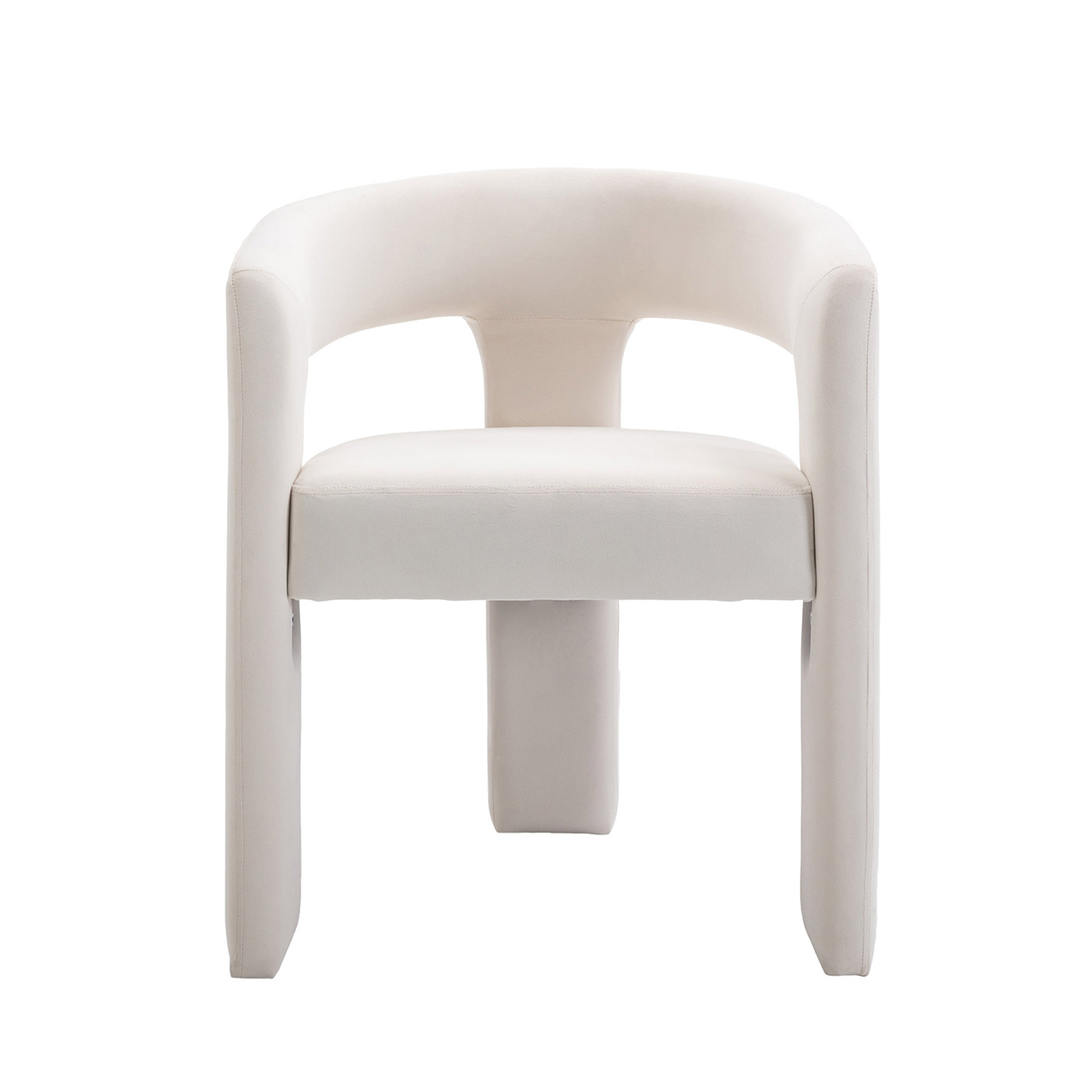
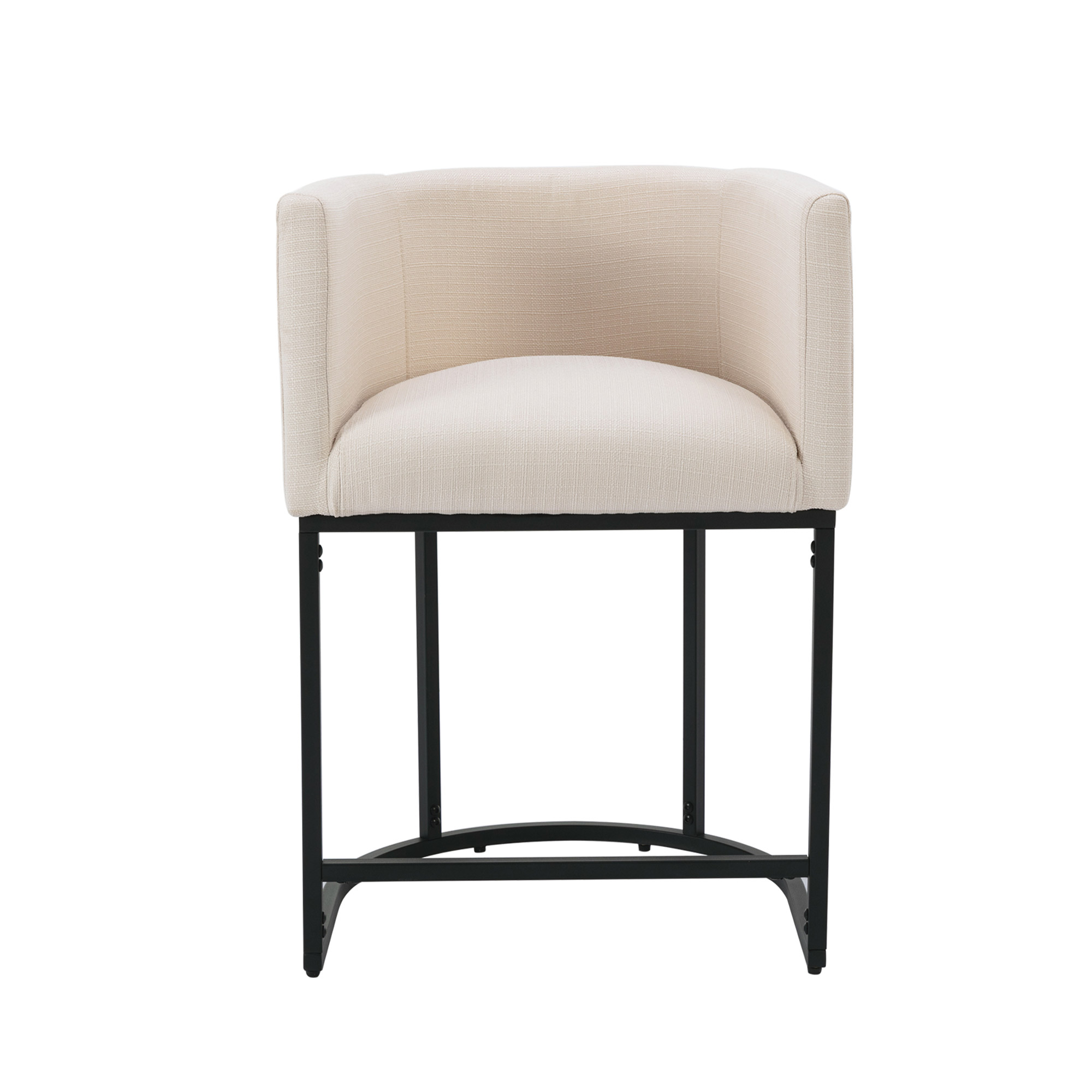
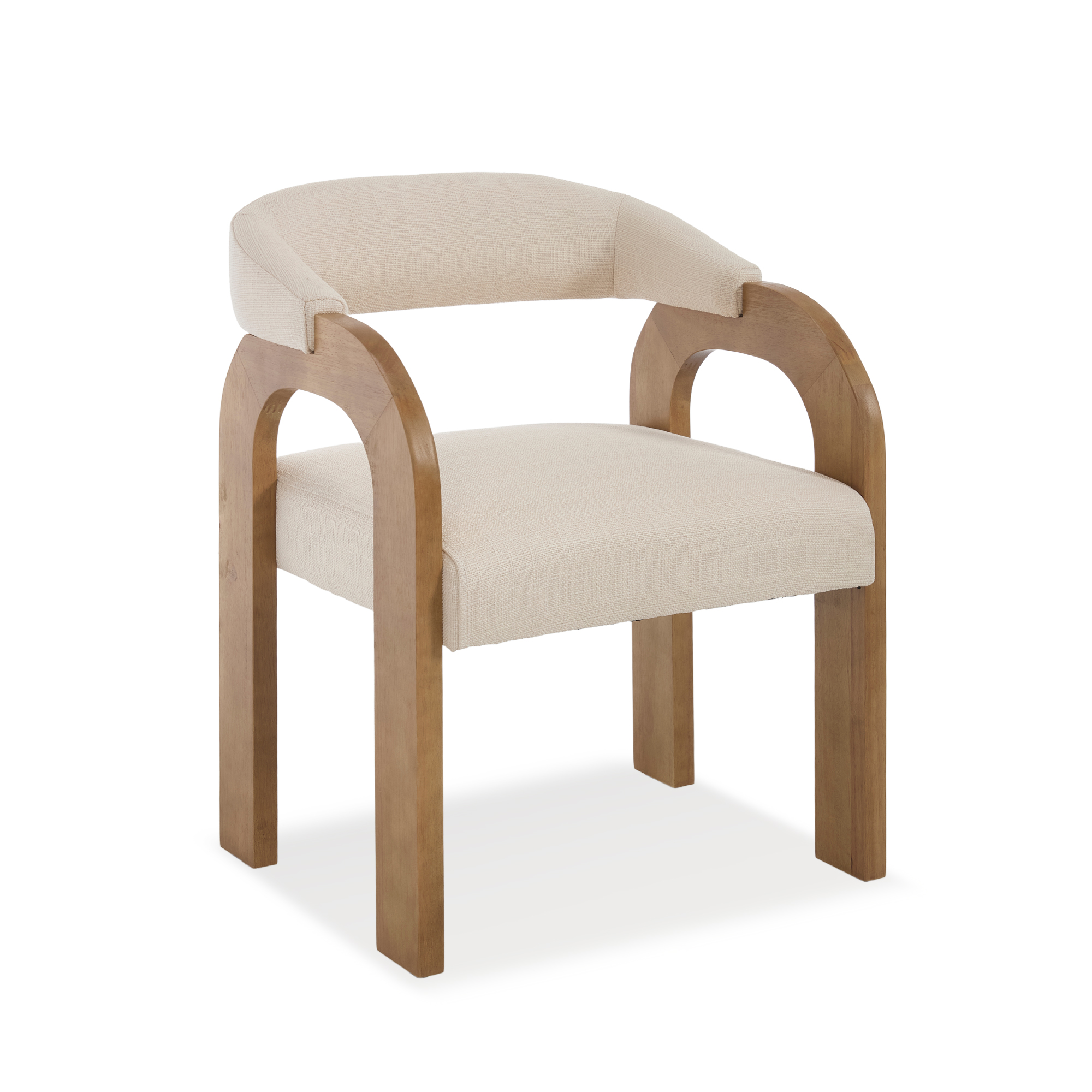
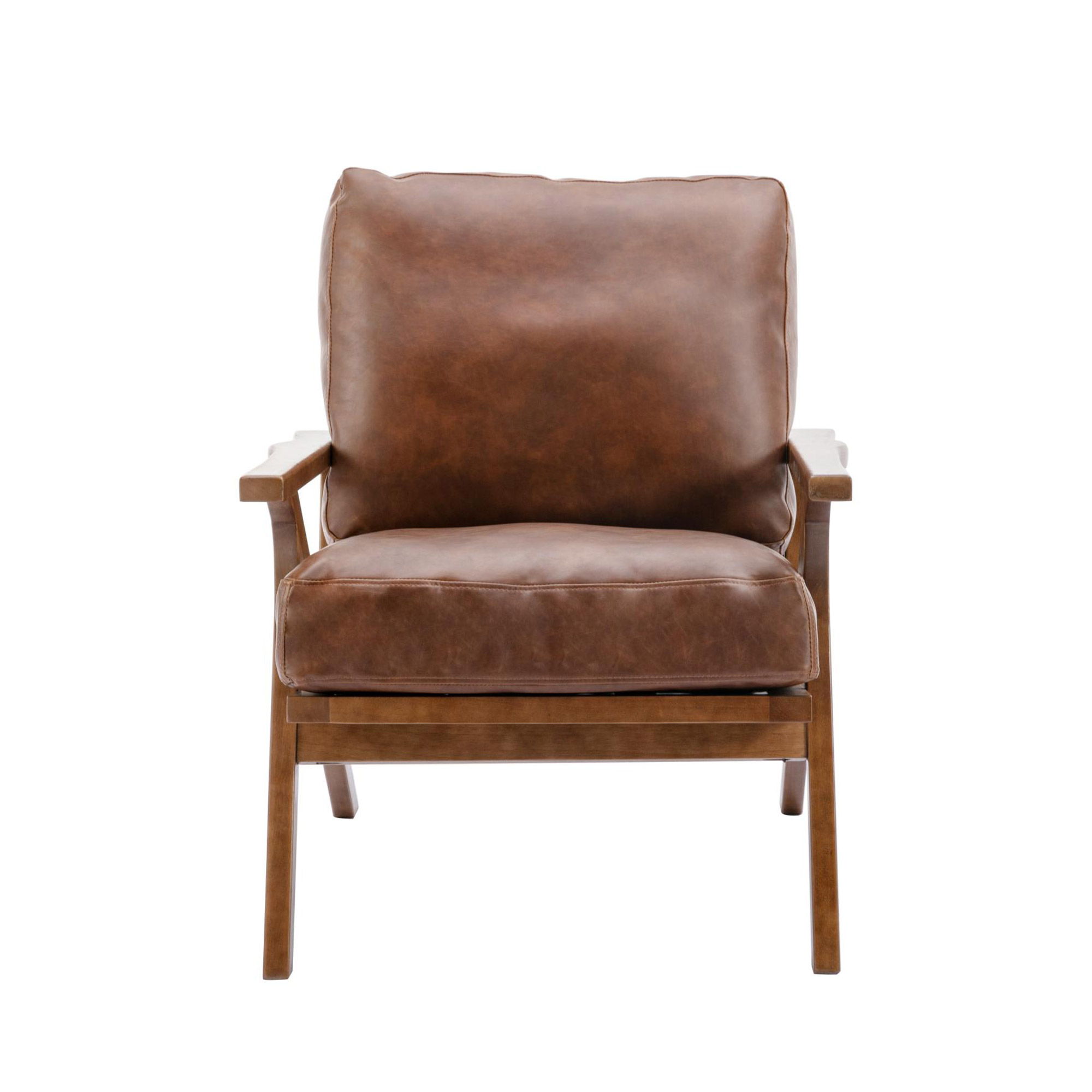
Beautiful upholstered dining chairs can completely change the look and feel of a dining room. They make everyday meals feel a little more inviting, soften the space around the table, and add comfort that many hard-surface chairs cannot match. But to keep that look over time, good care matters.
The good news is that upholstered dining chairs maintenance is usually not complicated. With the right routine, you can keep fabric dining chairs looking fresh, help remove dust and crumbs before they build up, and deal with spills before they turn into lasting stains. A little regular cleaning goes a long way.
Why regular care matters
Many people only think about cleaning when something spills. But the best way to maintain upholstered seating is to treat care as part of normal home upkeep. Dust, crumbs, oils from hands, and daily friction all affect the fabric over time. In homes with kids or pets, that buildup can happen even faster.
That is why regular maintenance matters so much. It helps preserve the chair’s appearance, reduce wear, and extend the life of the upholstery. It also keeps the chairs feeling cleaner and more pleasant every time you sit down.
Compared with wooden dining chairs, upholstered seating needs a bit more attention, but the payoff is comfort and a softer, more finished look in the room.
Start with regular vacuuming
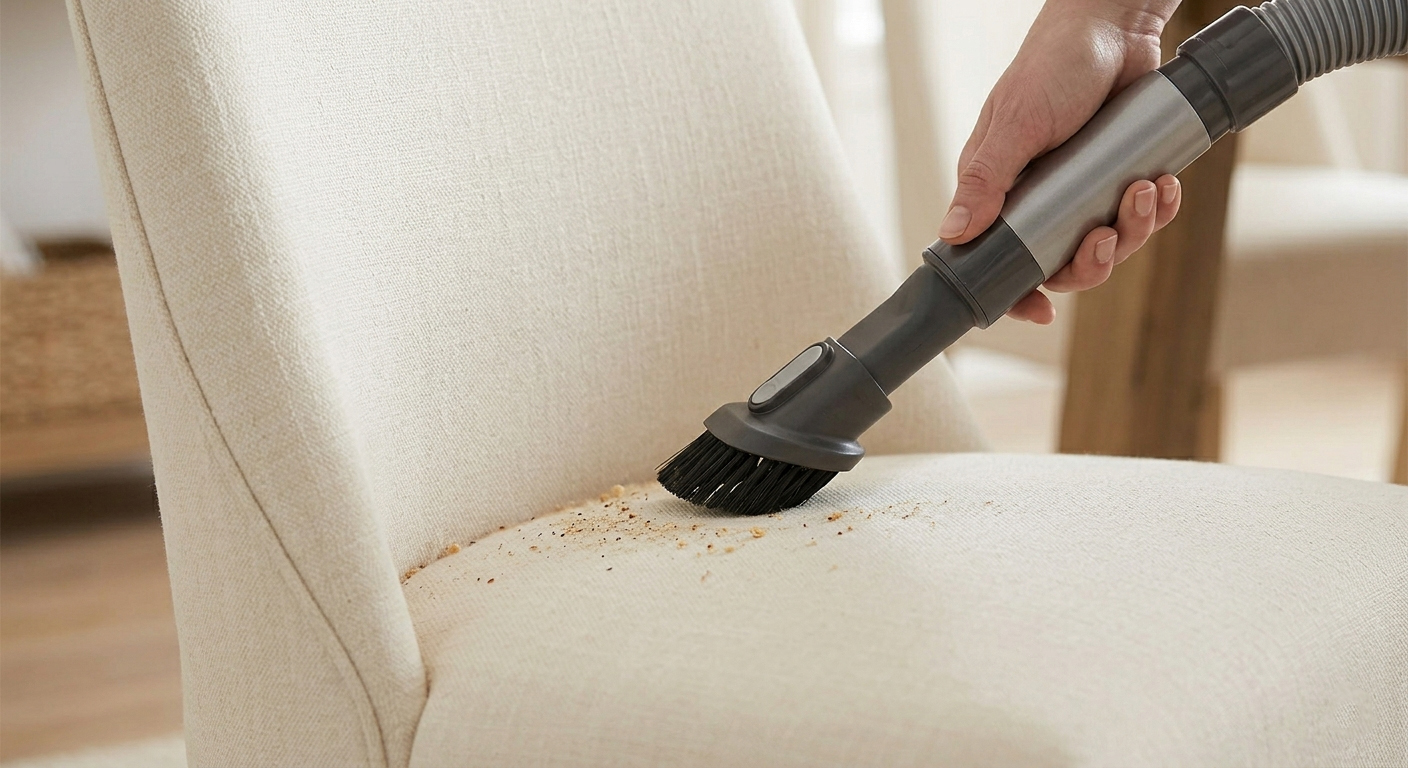
The easiest habit is regular vacuuming. Before dirt gets pressed into the chair, use a vacuum cleaner to remove crumbs, dust, and loose debris from the seat, edges, and backrest. If your machine has a brush or upholstery attachment, even better.
Try to vacuum:
-
the seat surface
-
the seams and corners
-
the backrest
-
around the edges where dust collects
This simple step helps remove dust before it turns into grime. It also prevents small particles from rubbing against the fabric every time someone sits down.
How to handle everyday spills
For fresh liquid spills, quick action matters. The goal is to absorb as much liquid as possible before it can sink into the upholstery and stain deeper.
Use a paper towel, dry cloth, or clean cloth to gently blot the spill. Do not press too hard, and avoid rubbing, because rubbing can spread the spill and push it deeper into the material.
A simple process works best:
-
Use a paper towel or dry cloth to absorb the spill.
-
Gently blot the stained area.
-
Switch to a fresh clean cloth if needed.
-
Let the area air dry fully.
Whether it is coffee, juice, or another household spill, it is always better to blot than scrub.
Cleaning fabric dining chairs the right way
When cleaning fabric dining chairs, start gently. In many cases, a basic mix of warm water and a little mild detergent is enough.
You can make a simple cleaning solution using:
-
warm water
-
a very small amount of mild detergent
Dip a microfiber cloth or clean cloth into the solution, then wring it out well so it is only slightly damp. A damp cloth is useful, but too much moisture can damage the padding underneath.
Then:
-
gently wipe the surface
-
work on the stained area
-
use a second cloth with clean water to wipe away residue
-
finish with a dry cloth
-
let the chair air dry
This approach is usually enough for light marks and everyday dirt.
How to remove stains without damaging the fabric
To remove stains, always start with the mildest method. Strong products are not always better. In fact, harsh chemicals can damage upholstery, fade color, or leave behind marks.
A safe process for many chairs is:
-
blot first, never scrub first
-
test your cleaning solution on a hidden spot
-
use a microfiber cloth
-
gently wipe
-
avoid rubbing
-
do not soak the fabric
If the stain is stubborn, repeat the process rather than using too much water or aggressive cleaners. Too much scrubbing can rough up the fabric and make the spot more obvious.
What about velvet upholstery?
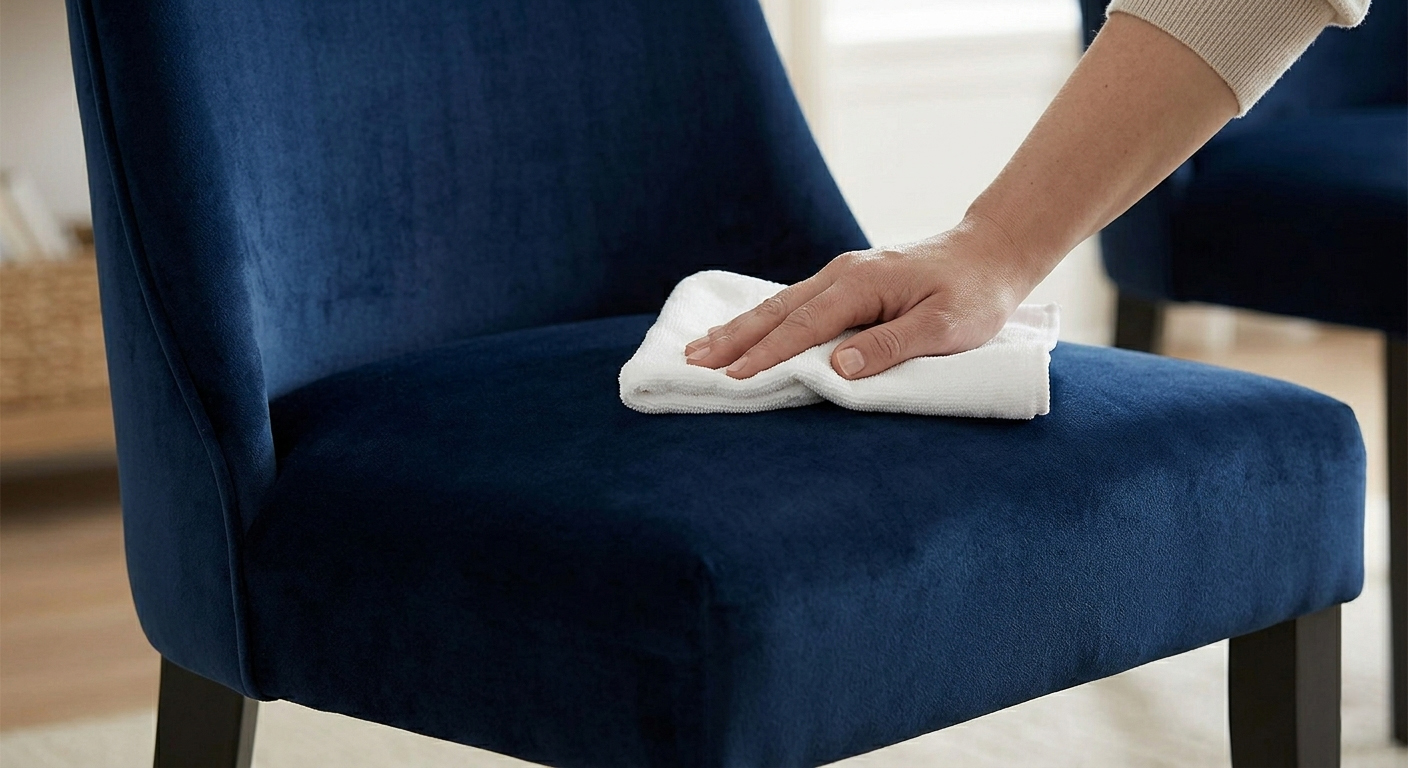
Velvet needs extra care. It can look beautiful on upholstered chairs, but rough treatment can flatten the texture. Use a soft dry cloth or microfiber cloth to blot spills, and keep moisture light. When cleaning velvet, be especially careful with pressure and scrubbing.
A gentle vacuum with the right attachment can help remove surface dust. After cleaning, brush the pile lightly if needed once the chair is dry.
Cleaning leather upholstered dining chairs
If your chairs are leather, the cleaning routine is a little different. You still want to act quickly on spills, but leather does not usually need the same fabric-style treatment.
For most leather chairs:
-
wipe with a dry cloth or slightly damp cloth
-
use a leather-safe cleaner when needed
-
dry the surface after wiping
-
avoid too much water
Do not use random household cleaners unless they are suitable for leather. Too much moisture or the wrong product can damage the finish.
Deep clean when needed
Every now and then, your chairs may need a deep clean, especially if they are used every day. If the fabric has absorbed odors, visible grime, or older marks, deeper care can help.
Depending on the upholstery type, this may include:
-
a more thorough fabric-safe cleaning
-
a carefully used steam cleaner
-
professional dry cleaning
-
a specialist upholstery service for delicate materials
A steam cleaner can be useful for some fabrics, but always check the chair’s care instructions first. Too much heat or moisture can do more harm than good. If you are unsure, dry cleaning or professional upholstery care may be the safer option.
Things to avoid
A big part of upholstered dining chairs maintenance is knowing what not to do.
Try to avoid:
-
harsh chemicals
-
over-wetting the fabric
-
strong scrubbing
-
leaving chairs in direct sunlight
-
too much prolonged exposure to heat or sun
-
placing excessive weight on the seat or back
-
letting spills sit for too long
Direct sunlight and strong sunlight can fade fabric over time, especially in brighter rooms. If your chairs sit near large windows, rotating them occasionally can help reduce uneven fading.
Also, avoid excessive weight on the seat, arms, or backrest, since that can weaken the structure over time.
Don’t forget the wood and legs
Many dining chairs combine upholstery with visible wood details or exposed legs. These parts need care too.
Use a dry cloth or slightly damp cloth to wipe the wood frame, the legs, and any hard surfaces. Dust on chair legs can build up just like it does on the table. Keeping those parts clean helps the whole chair look better.
If the chair has metal details, wipe those down too. The goal is to clean the entire surface, not only the seat.
A simple maintenance routine
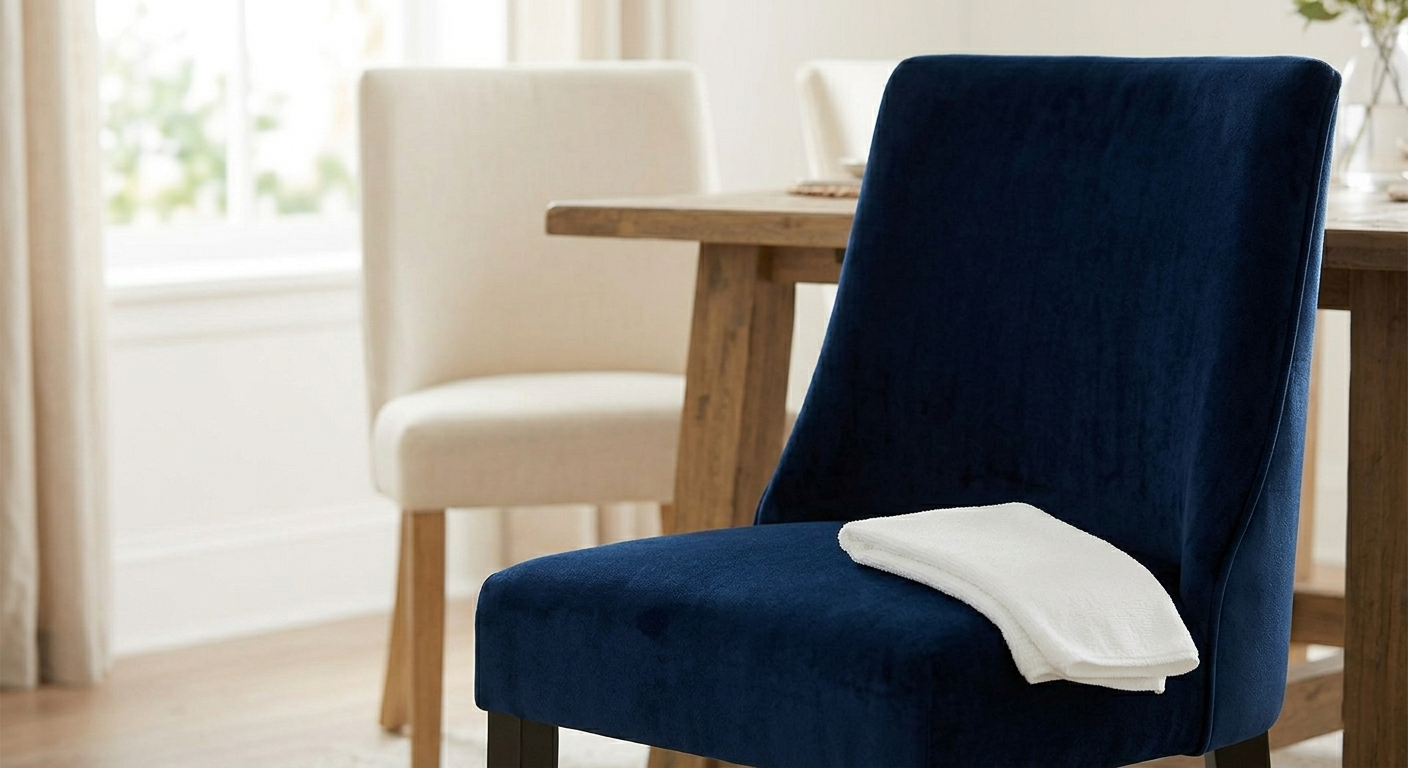
If you want a practical routine for clean upholstered dining chairs, this works well:
-
regular vacuuming once a week
-
quick blotting for fresh spills
-
light spot cleaning as needed
-
wiping legs and frames during normal dusting
-
a deep clean from time to time
This kind of regular cleaning keeps dirt from building up and makes the work much easier over time.
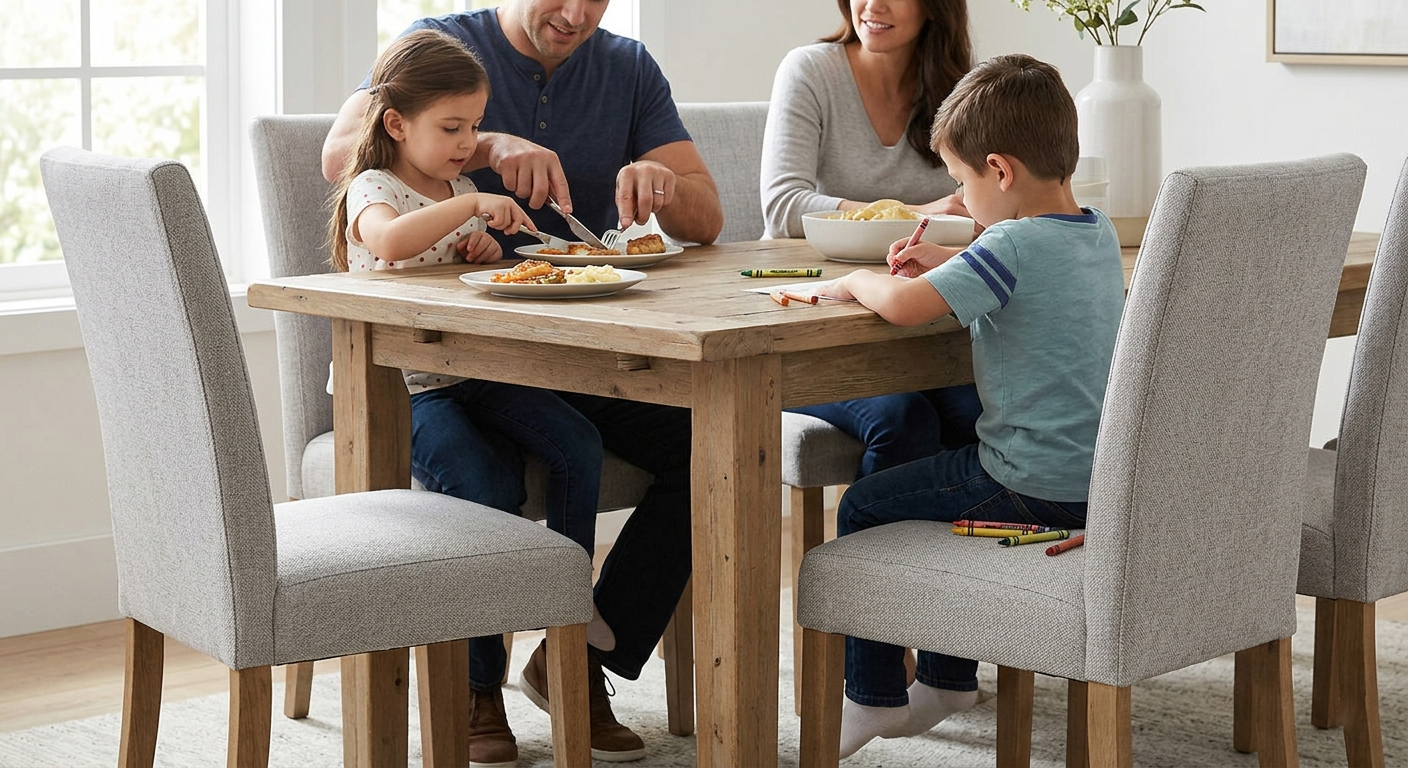
Homes with kids and pets
If you have children or pets, the chairs usually need more attention. Crumbs, fur, paw marks, and accidental spills are just part of life. In those homes, it helps to:
-
vacuum more often
-
keep a microfiber cloth nearby
-
clean spills right away
-
choose a fabric that is easier to maintain
Fast action is the best way to protect the chair and reduce long-term wear.
Final thoughts
Learning how to clean upholstered dining chairs is really about staying consistent. You do not need a complicated system. A little regular maintenance, careful spot cleaning, and the right tools can keep fabric dining chairs looking fresh for years.
To protect your chairs and extend their life:
-
remove crumbs and dust often
-
blot liquid spills quickly
-
use a gentle cleaning solution
-
avoid too much moisture
-
let the fabric air dry
-
keep chairs out of strong direct sunlight
With the right care, your upholstered dining chairs can stay comfortable, clean, and attractive through everyday meals, family gatherings, and all the little moments in between.