
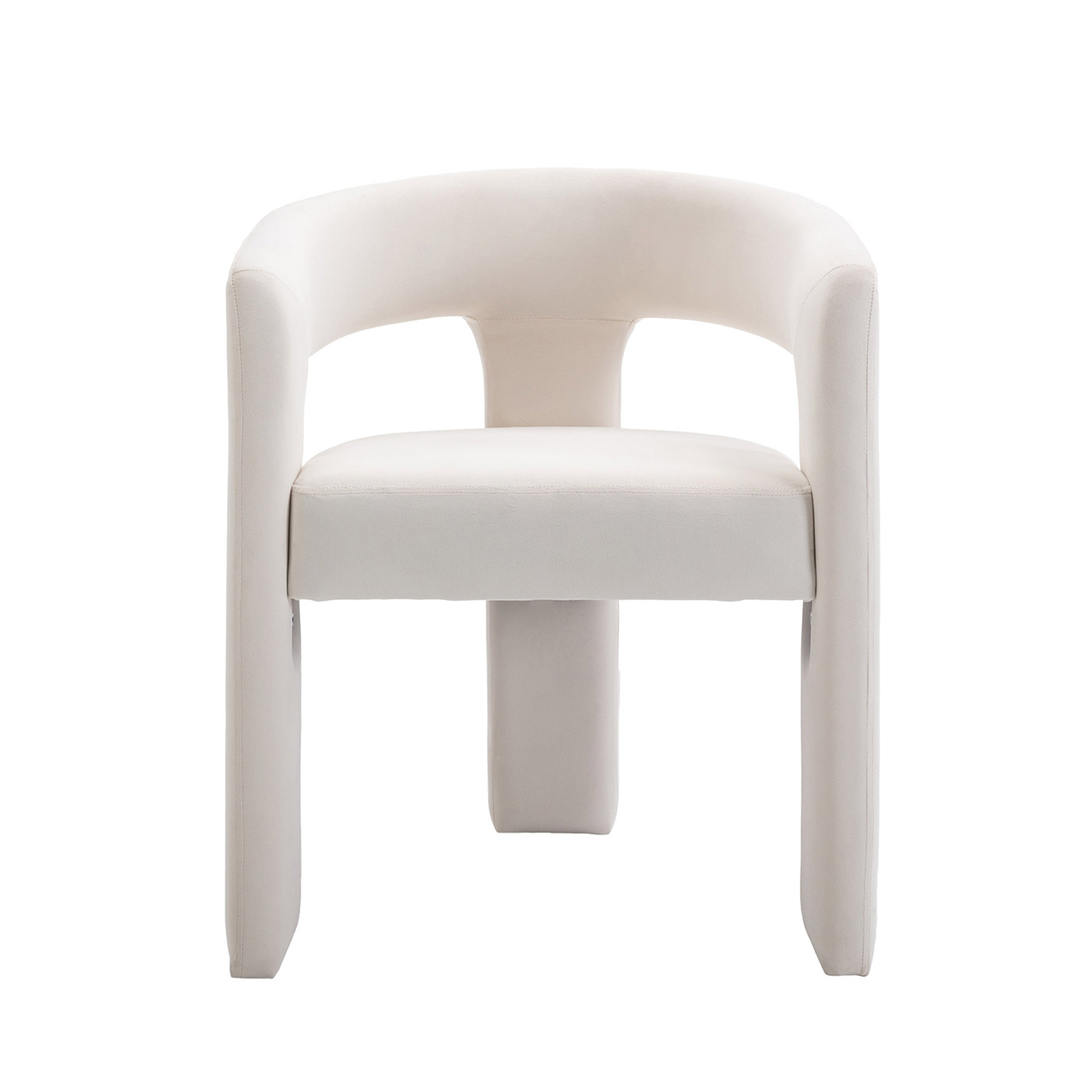
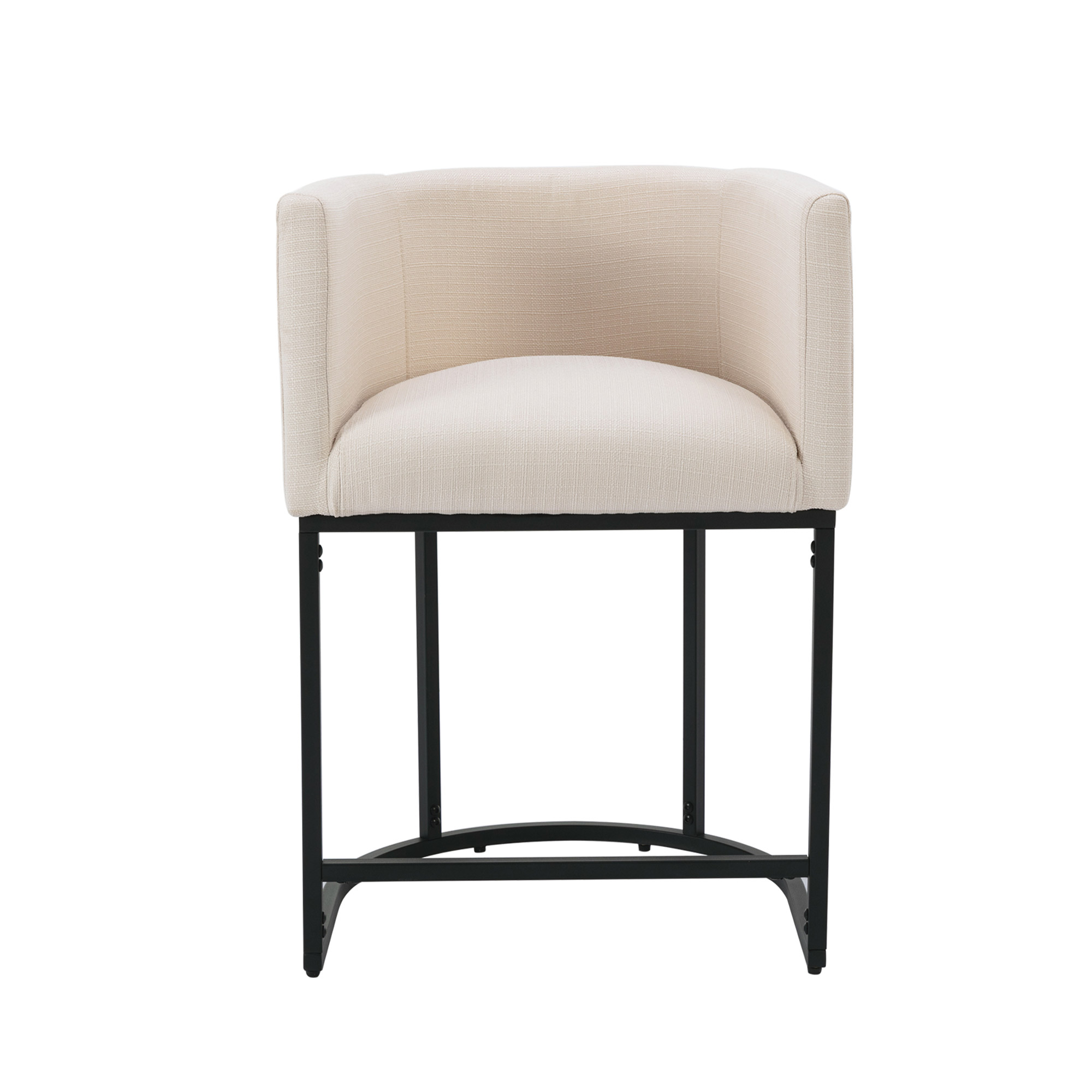
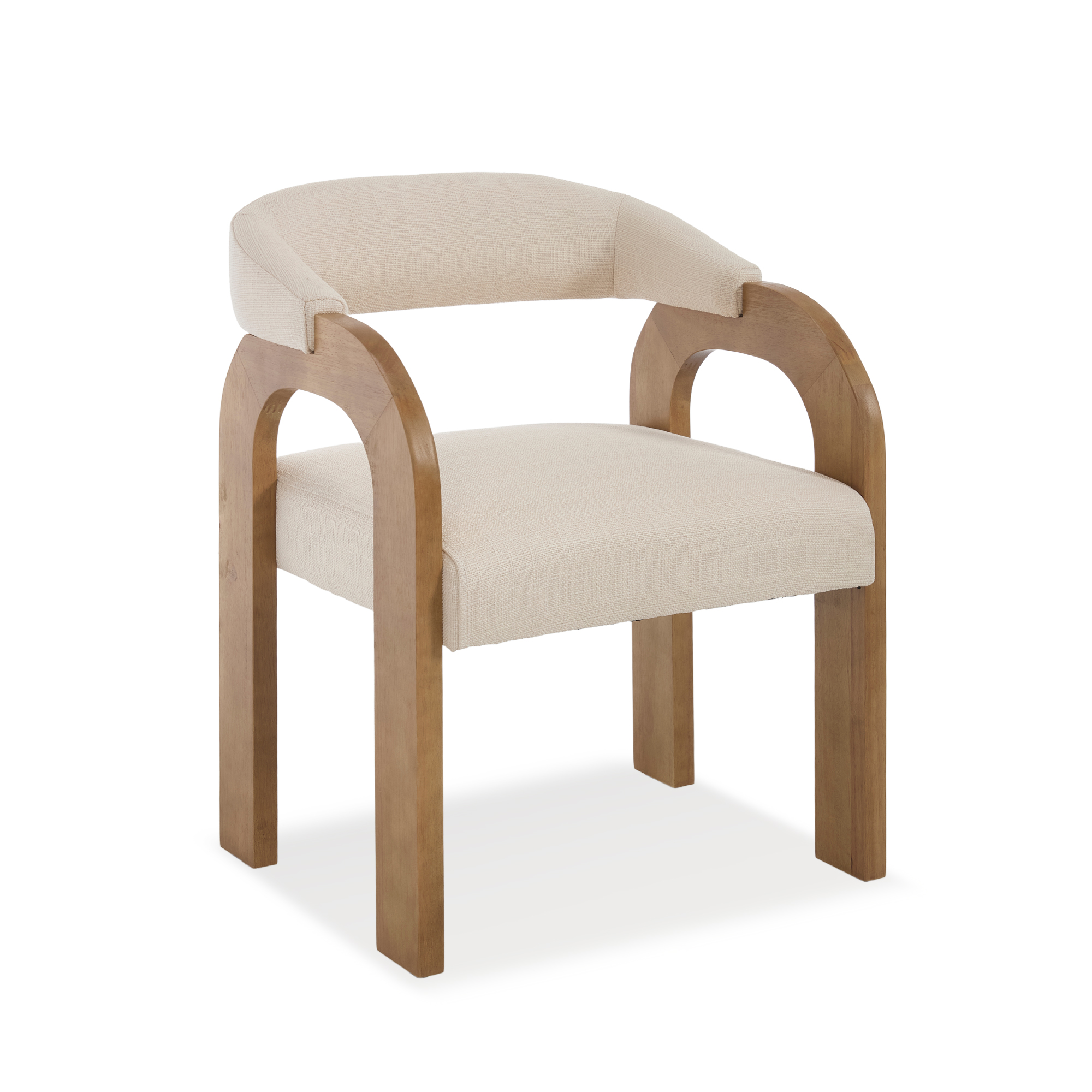
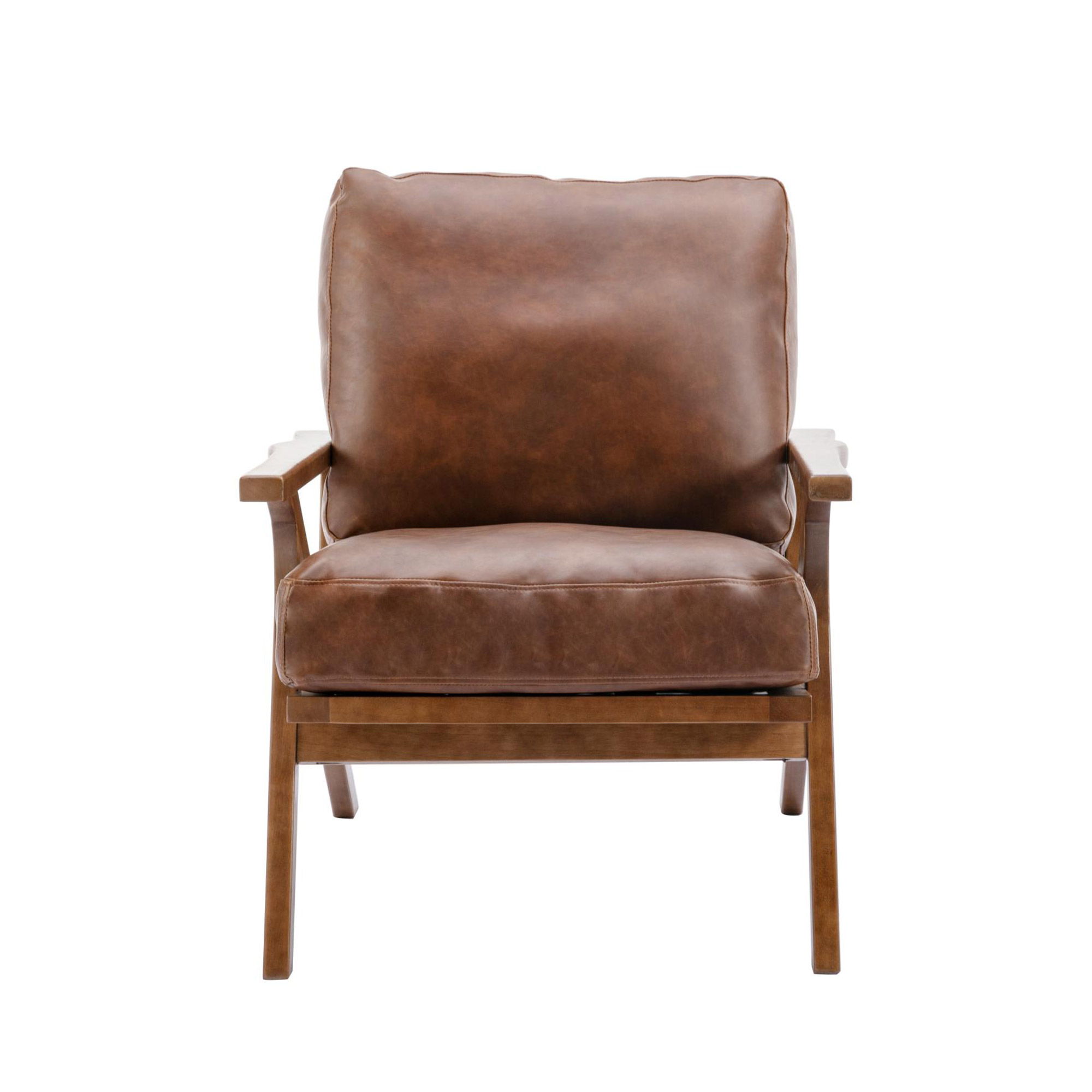
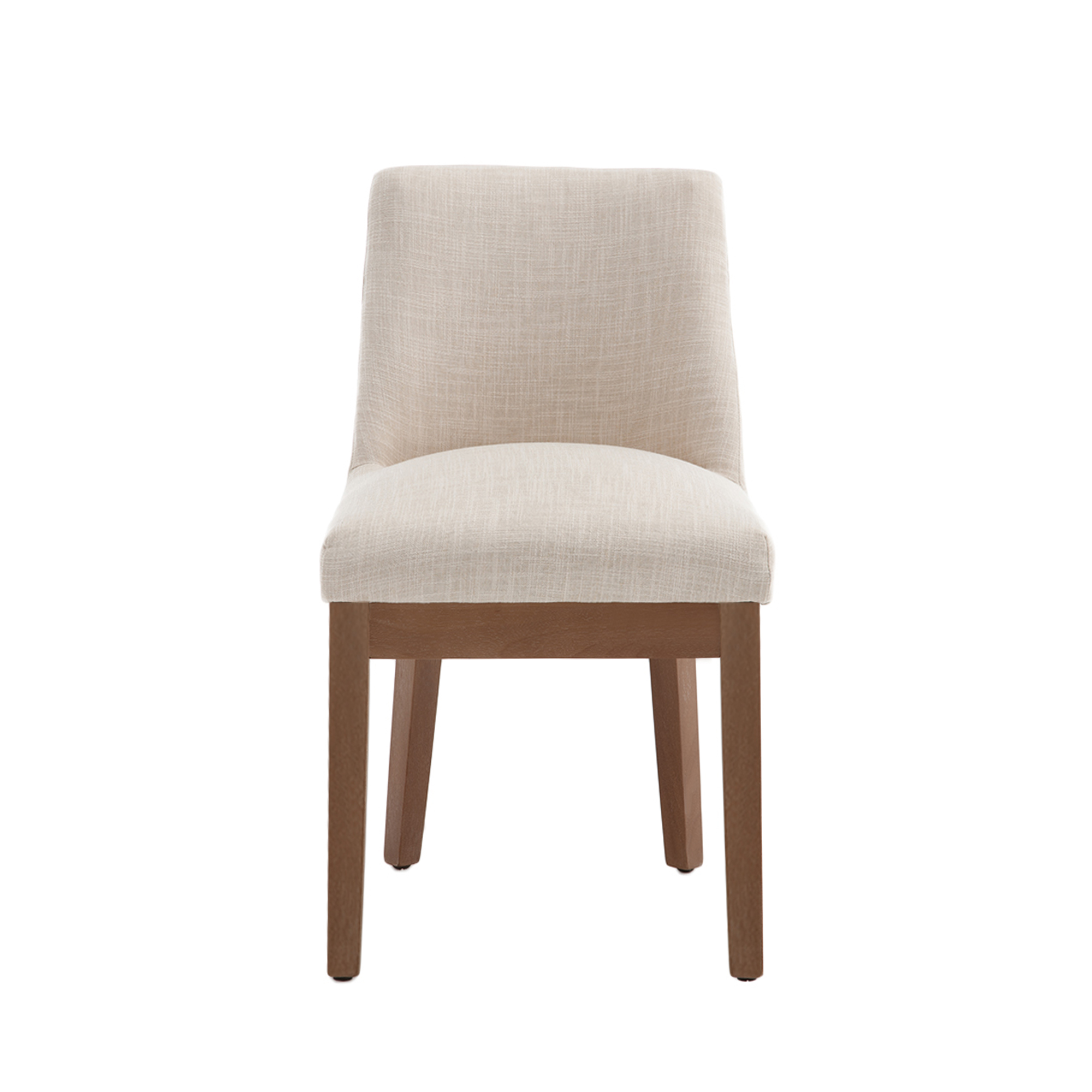
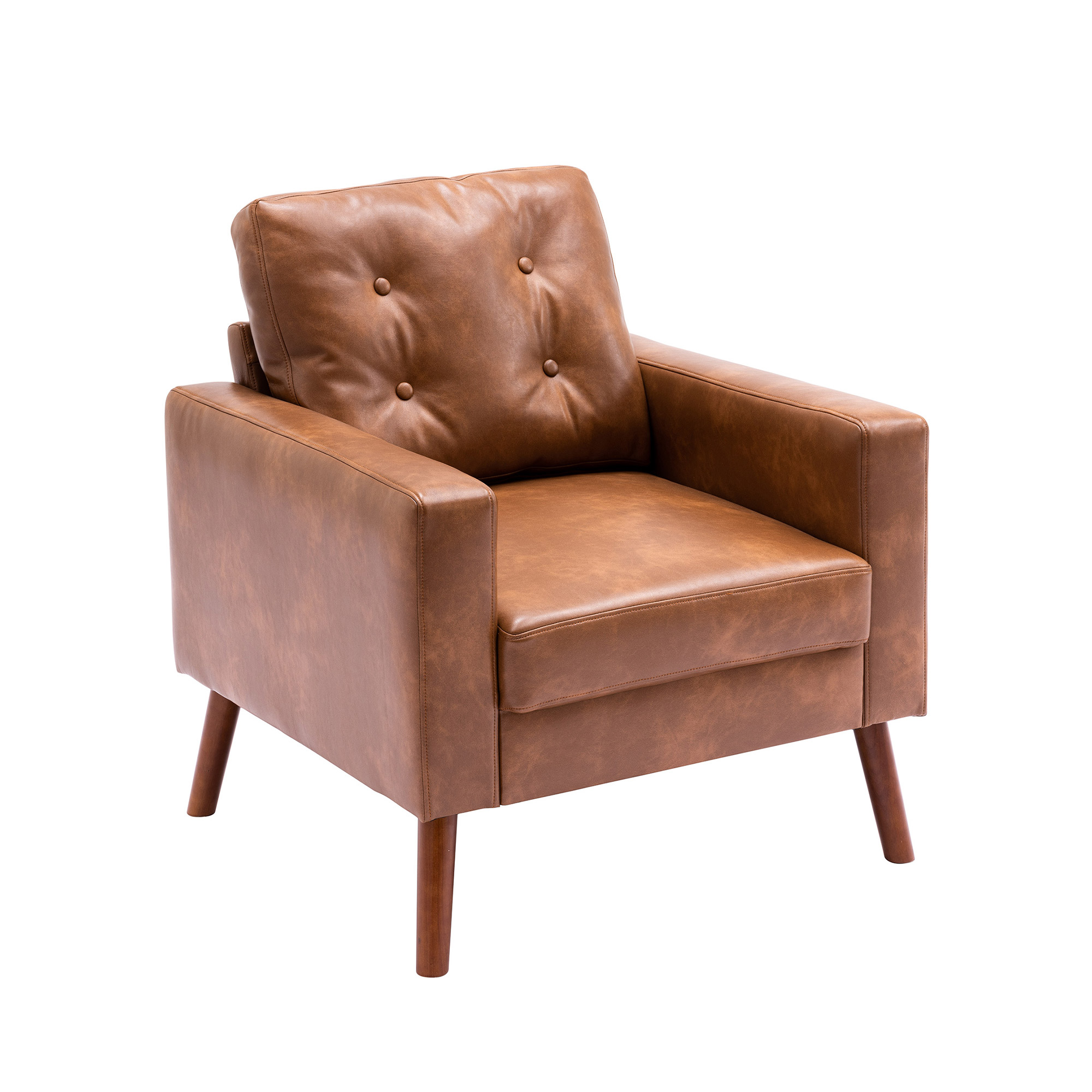
Choosingmodern dining chairs sounds simple—until you realize they play a crucial role in how your dining room looks, how your guests feel, and how smoothly daily life flows in your dining space. The perfect dining chair isn’t just about clean lines and trending chair styles. It has to match both the table and your lifestyle: your table height, your eating space, your room, and even your daily wear concerns (kids, pets, and real-life messes).
This guide will help you choose dining chairs with confidence—so your table and chairs feel balanced, your dining experience is comfortable, and your furniture pieces create a cohesive look that lasts.
1) Start With Your Dining Table
Before you fall in love with beautiful chairs, start with the anchor: your dining table. The right dining table and chairs combination depends on table height, table size, table top thickness, and how the table legs are positioned.
Measure what matter
- Table height (most tables are around 28–31 inches)
- Table size (length/width/diameter)
- Table top thickness (thin vs thick tops can change knee clearance)
- Table legs placement (corner legs vs pedestal vs trestle)
- Your available space around the table (walkways + pull-out room)
These details help you match chairs that look right and feel right—especially in a smaller dining area or open-plan dining room.
Example: why table legs change everything
Even if the tabletop is large, bulky table legs or a wide trestle base can reduce usable seating. This is why you must evaluate both the table and the chairs together, not separately.
2) Chair Height, Seat Height, and Overall Chair Height
If you only remember one rule, make it this: chair height should work with your table height—or your dinners will feel awkward fast.
The comfort spacing rule
- About 10–12 inches between the seat and the underside of the table.
That’s why seat height matters more than most shoppers realize.
What to look for
- Seat height: Often 17–19 inches for standard dining tables
- Overall chair height: Matters visually (especially with low backs vs tall backs)
- Chair height relative to the room: In a compact dining space, tall backs can feel heavy; in a large room, low chairs can look underscaled.
Don’t forget arm height
If you’re considering chairs with arms, check arm height carefully. Arms that sit too high won’t slide under the table, which can reduce seating and make the set feel cramped.
3) How Many Chairs Fit?
This is the question everyone asks: how many chairs do you need—and how many actually fit without crowding the dining area?
The spacing formula (simple + practical)
- Allow 22–24 inches of table edge per person (minimum)
- For extra comfort, aim for 24–26 inches
Then add clearance behind chairs:
- At least 24 inches to pull out and sit
- 30–36 inches is ideal if it’s a high-traffic space
Quick guide by table shape
- Rectangular tables: easiest for “many chairs” because you can add along the sides
- Round tables: great for conversation and flexible seating, but chair width matters more
- Square tables: can feel tight if chairs are bulky—choose slimmer profiles
When planning dining table and chairs, consider whether you want side chairs only, or a mix of side chairs plus benches.
4) Match Chair Styles to Table Shape
Your table shape should guide your chair styles—this is where function meets interior design.
Round tables
- Curved silhouettes
- Slim frames
- Armless chairs (often easier to tuck in)
Because there are no corners, round tables look best when chair spacing is even and the chair profile stays light.
Rectangular tables
- Mix upholstered chairs on the long sides with wooden chairs as end chairs
- Or keep a uniform set for a clean, modern look
Square tables
- Watch seat width and overall chair height
- Choose chairs with clean lines to keep the room feeling open
5) Arms vs Armless Chairs
This choice affects comfort, layout, and how your table and chairs look as a set.
When arms make sense
Chairs with arms can feel more supportive—great for long dinners and hosting guests.
But you must check:
- Arm height (so the chair fits under the table)
- Chair width (arms usually increase the footprint)
- Traffic flow in your dining space
Why armless chairs are a modern favorite
Armless chairs are easier in tight spaces and often create a lighter silhouette. They’re also practical if you frequently rearrange chairs or want flexibility for “how many chairs” you can fit.
6) Seat Width, Seat Depth, and Real Comfort Level
Even the most stylish chairs can disappoint if the seat proportions are off.
Key comfort measurements
- Seat width: affects personal space (especially for “many chairs” at one table)
- Seat depth: too deep feels lounge-like; too shallow feels perched
- Seat height: the foundation of comfort with your table height
What “comfy chairs” actually means
Comfy chairs aren’t always the softest. Comfort is a combination of:
- Back support
- Seat padding
- Proportions that match how people naturally sit
- A stable base (no wobble)
A comfortable chairs setup improves the entire dining experience—not just how it looks in photos.
7) Upholstered Chairs vs Wooden Chairs
This is one of the biggest decisions when you choose dining chairs.
Upholstered chairs
Upholstered chairs usually feel warmer and softer:
- Great for long dinners and hosting guests
- Often higher comfort level thanks to an upholstered seat
Things to check:
- Fabric durability
- Cleaning requirements
- How the upholstery will look after daily wear
Wooden chairs
Wooden chairs can be timeless and easy to maintain:
- Often easier to wipe down
- Strong style presence with modern wood tones
- Great for high-traffic dining area
Look for quality construction, ideally solid wood or solid wood frames for long-term durability.
8) Frames, Legs, and Table Legs: What to Check
The hidden quality of chairs often comes down to structure.
Why legs matter
Chair legs affect:
- Stability
- Floor friendliness
- Visual match to the table legs
If your table has thick, bold legs, ultra-thin chair legs may look imbalanced. If your table has slim legs, heavy chairs can feel visually clunky.
Solid wood and solid wood frames
If you want durability, look for:
- Solid wood
- Solid wood frames
- Tight joints (no creaks)
- Even finishing
These details help chairs stand up to everyday use and repeated pulling-in and pushing-out.
9) Materials, Upholstery, and Fabric: Choose for Daily Wear
Your lifestyle should guide your materials choice more than trends.
Upholstery choices (practical overview)
- Performance fabrics: easier maintenance, better for daily wear
- Textured weaves: add depth but may trap crumbs
- Smooth finishes: easier to clean, often better for busy households
When choosing upholstery, think about:
- Cleaning routine
- How often you host
- Whether your dining setup is also your work surface
A good rule: if your dining space is used daily, prioritize cleanability and durability over delicate fabric.
10) Color & Styling: White Chairs, a Black Table, and Different Styles
Color is where modern dining rooms can look high-end—fast—when done intentionally.
White chairs in a dining room
White chairs can brighten a dining room and keep things airy, especially with clean lines. But they also show stains more easily—so consider fabric performance or wipeable finishes.
A black table with modern chairs
A black table creates strong contrast. Pairing it with lighter chairs can create a balanced, cohesive look. Or choose black chairs for a sleek monochrome effect—just watch the room’s lighting so the space doesn’t feel heavy.
Mixing chair styles (without chaos)
If you like different styles, keep one element consistent:
- Same material tone (all wood tones align)
- Same color palette
- Similar chair silhouettes
This helps your furniture pieces feel curated, not random.
11) Price Points and What Actually Matters
There are many price points in dining chairs, but value isn’t just about cost—it’s about lasting comfort and structure.
Prioritize:
- Correct chair height for your table height
- Comfort-focused proportions (seat depth, seat width, seat height)
- Durable frames (solid wood or strong engineered frames)
- Practical upholstery for your lifestyle
If you’re choosing new chairs for a high-use dining area, don’t underinvest in comfort. It pays back every day.
12) Common Mistakes People Make When They Choose Chairs
Avoid these and you’ll instantly improve results:
- Ignoring table height and buying the wrong seat height
- Forgetting clearance behind chairs in the dining space
- Choosing bulky chairs for a small dining area
- Not accounting for table legs (tall trestles steal knee room)
- Picking chairs that look modern but aren’t comfortable chairs
- Buying upholstered fabric that can’t handle daily wear
- Mixing too many different styles without a plan
- Choosing chairs with arms without checking arm height
- Overlooking seat width (then realizing you can’t fit “how many chairs” you wanted)
- Skipping quality checks on frames and legs
Quick Checklist: Your “Perfect Dining Chair” Shortlist
Use this before buying:
- Measure table height and underside clearance
- Confirm seat height works with the table
- Check seat depth and seat width for real comfort
- Decide on arms vs armless chairs based on space
- Verify clearance around the table in your dining area
- Match chair legs with table legs visually
- Choose materials and upholstery for your lifestyle
- Consider whether you need a dining chair set (like set of 2 dining chairs or set of 4 dining chairs)
- Plan “how many chairs” you truly need for daily use vs guests
- Review assembly, returns, and durability signals
DAYALANE Wrap-Up
When you know your dining table, your space, and the comfort measurements that matter, it becomes much easier to choose chairs that elevate your dining experience. The right dining chairs will match your room, support how people sit, and bring a modern, intentional feel to your home—without sacrificing comfort or practicality.
If you’re ready to refresh your dining table and chairs, use the checklist above to narrow down your right dining chairs and create a dining setup you’ll enjoy every day.