
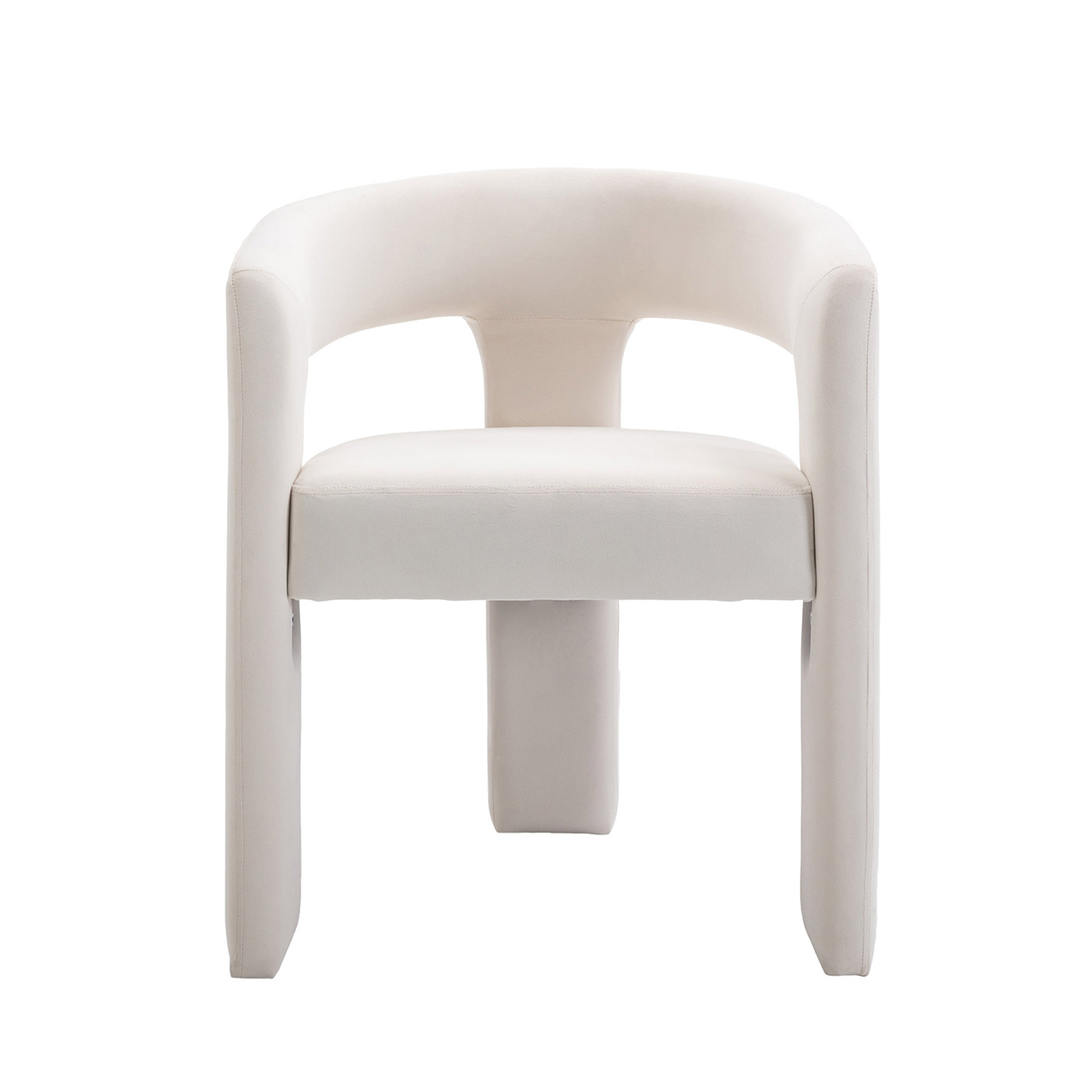
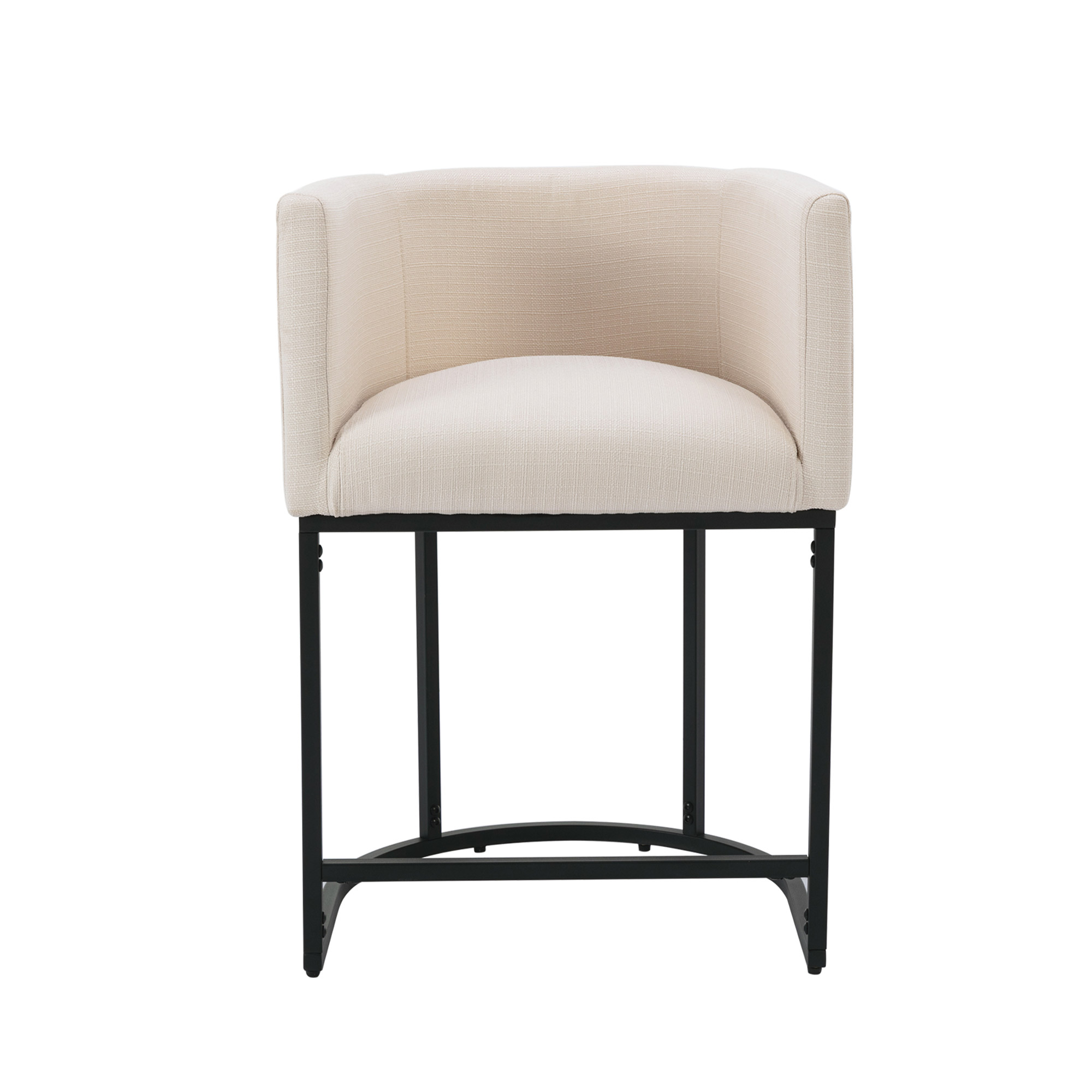
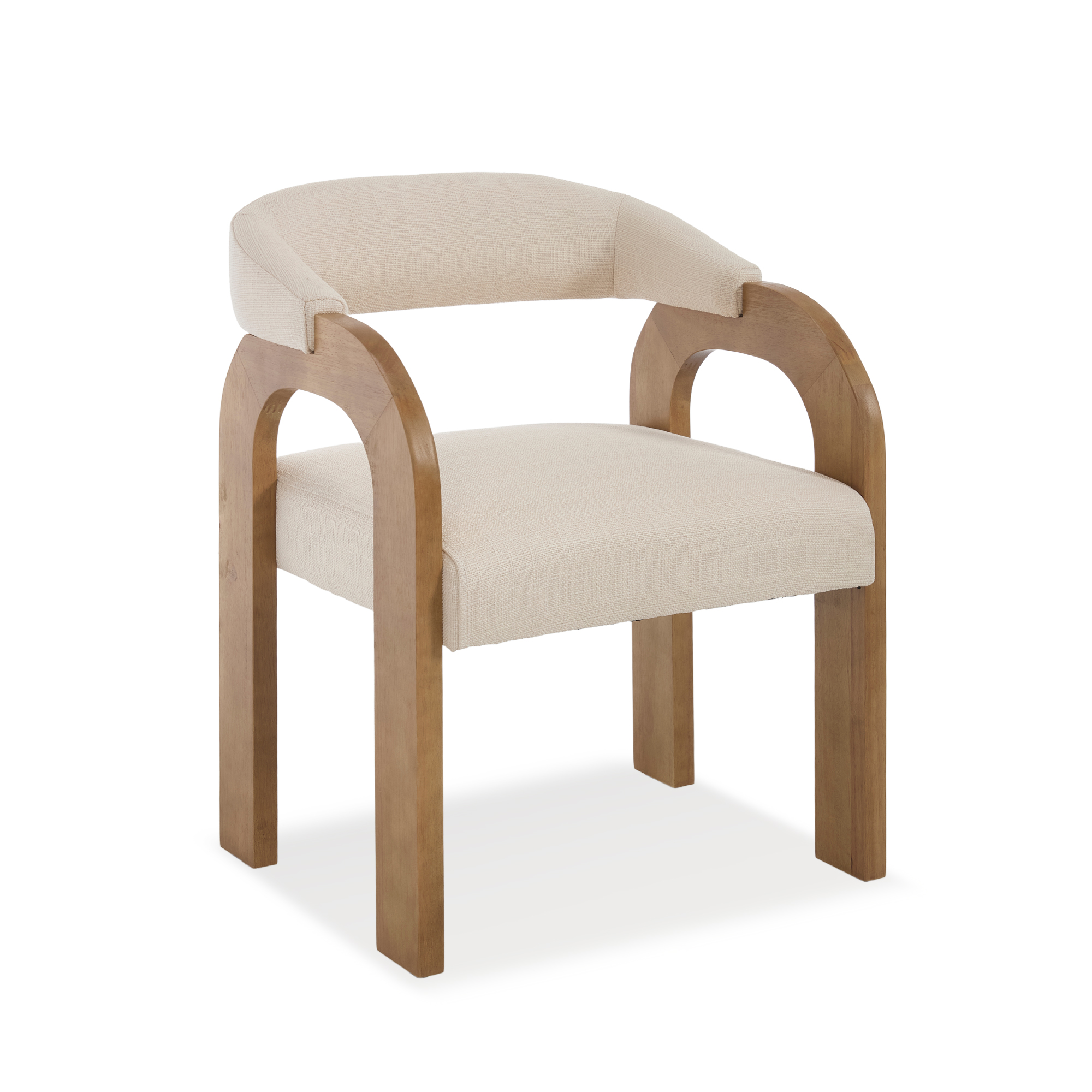
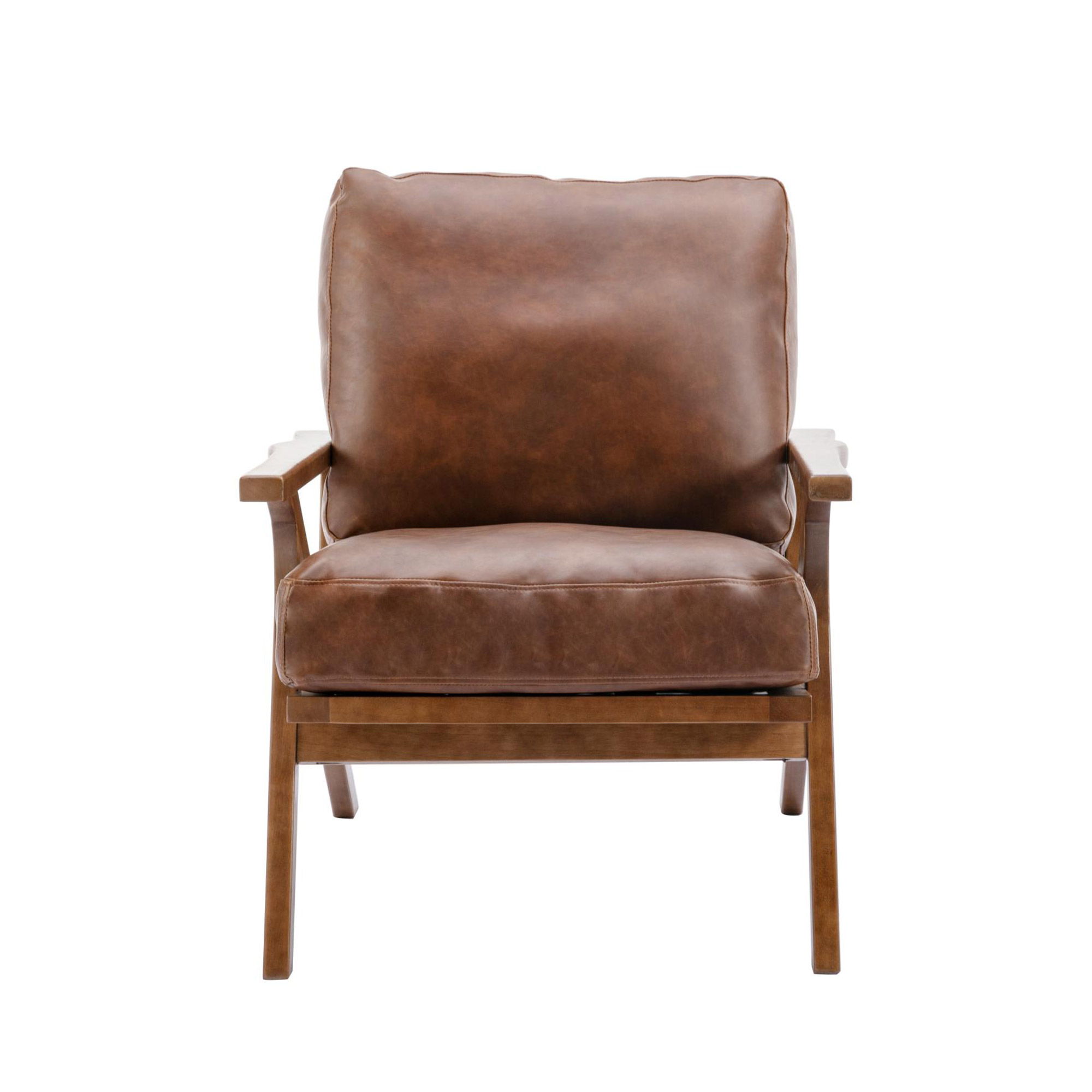
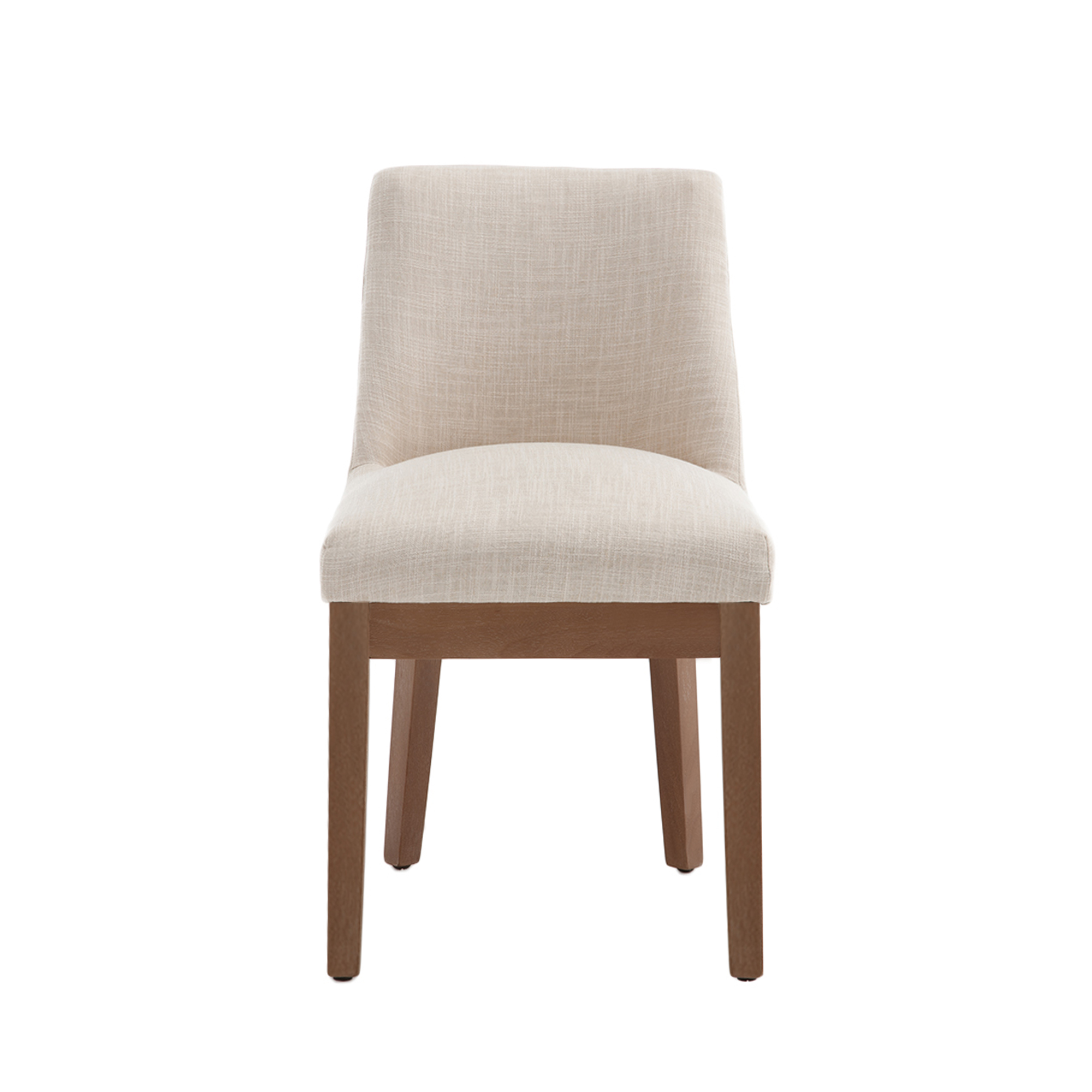
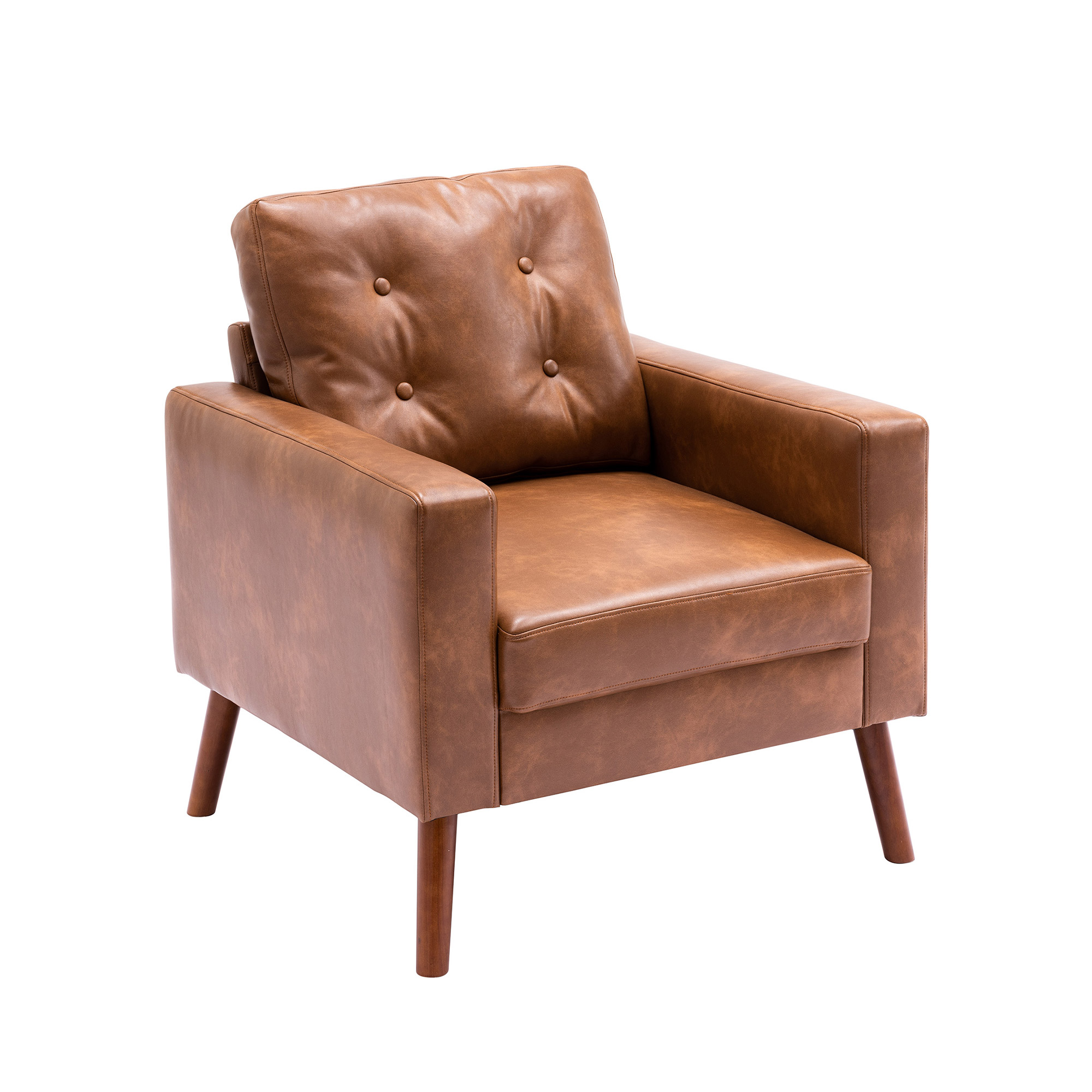
A new home setup often starts with one simple question: how many chairs should you buy for your next meal with the people you love? The right number of dining chair options can make everyday routines easier, keep your room feeling open, and upgrade the overall dining experience when friends drop by. In this guide, you’ll learn a practical way to plan 4, 6, or 8 seats that fit your lifestyle and your space.
Start With the Space You Have
Before you count chairs, start with your table and the room around it. Different dining tables (round, rectangular, or square) can hold the same number of people on paper, but feel completely different in real life. What matters most is whether you have enough room to pull a dining chair out, move behind it, and avoid bumping corners.
- Measure the length and width of the table.
- Mark where each dining chair would slide in.
- Check the path you’ll walk through during dinner (kitchen → dining area → living room).
- Leave clearance so people can sit down and stand up without squeezing.
If your layout is tight, a more minimalist plan (fewer seats, lighter shapes) often feels better than forcing extra chairs into a small footprint.
How Seating Space Affects Comfort When You Sit
Two setups can have the same number of chairs, yet feel totally different once people actually sit. That’s because real comfort comes from a blend of width, clearance, and posture support—not just a headcount.
Think about:
- Shoulder room: do elbows clash during a longer dinner?
- Pull-out room: can you slide back without scraping walls or other chairs?
- Posture support: do you feel stable and relaxed after 20–40 minutes?
This is where ergonomic comfort matters. A well-designed dining chair supports your posture without making the room feel crowded. The goal is simple: enough breathing room to stay seated for conversation, without your layout becoming awkward or blocked.
4 Dining Chairs — Best for Everyday Living
A 4-seat setup is the everyday favorite for many households. It’s easy to keep things clean, simple to rearrange, and naturally supports a minimalist look. If your week is mostly quick breakfasts and casual dinners, four chairs usually deliver the best function with the least friction.
Best when you:
- Eat most meals with 1–3 people
- Prefer an uncluttered style
- Want flexible floor area for kids, pets, or multi-use rooms
With four dining chair pieces, you can also play with colors and still keep the set looking calm. For example, choose one tone for all chairs, or use two complementary colors (two-and-two) to add personality without visual noise.
6 Dining Chairs — The Most Flexible Setup
If you want a setup that works for daily life and occasional hosting, six chairs often hits the sweet spot. It supports home routines, handles weekend dinners, and keeps the dining experience feeling generous when you have guests.
Why six feels so workable:
- You can host a small group without borrowing extra chairs
- A longer table often looks balanced with six chairs
- You get options to add subtle contrast through colors or upholstery
To maintain a cohesive look, keep one element consistent across all six dining chair seats—such as leg shape, finish, or fabric type. This keeps your set visually calm even if you introduce a second color or texture.
A simple 6-chair layout that stays flexible
If you want six chairs but worry about crowding, treat your seating like a mini plan. Keep four matching dining chair seats on the long sides, then use two visually lighter dining chair seats on the ends. This approach keeps the set designed for movement, protects your walking room, and preserves comfort even when you’re hosting. It also makes it easier to refresh the look over time: swap end-seat colors or update the upholstery material later without changing the whole set.
8 Dining Chairs — When Hosting Matters
Eight chairs can be amazing for frequent gatherings, big celebrations, or households that love long dinners. But it only works well when you plan movement and clearance first. With eight chairs, a layout that looks fine in photos can feel tight in daily use.
Eight is best when you:
- Host guests often
- Have a larger room with clear paths
- Want to create a full dining moment that feels welcoming
If you’re choosing an eight-seat plan, prioritize chair proportions so every dining chair feels designed for the room. Slim legs, open backs, and lighter visual weight help the arrangement feel airy rather than packed.
How Design and Material Change the Way Chairs Feel
Chair count is only half the story. The same number of chairs can feel spacious or cramped depending on form and material choices.
Key factors that change “felt room”:
- Visual bulk: thick frames look heavier than slim frames
- Surface finish: darker tones can feel richer but visually denser
- Seat profile: wider silhouettes reduce breathing room
A well-crafted dining chair often solves this by combining supportive structure with a streamlined outline. Look for seats that are intentionally designed to fit real dining life—stable, supportive, and not oversized.
Matching Chairs for a Pulled-Together Dining Area
A beautiful dining setup isn’t just about quantity. It’s about how well the chairs match your room, and how they complement the rest of your setup. To keep things consistent, pick a simple anchor and build around it in your dining area.
Here are easy ways to keep your set aligned:
- Pick a main palette of colors (one base + one accent).
- Keep the same leg style across all chairs.
- Repeat one texture (wood grain, upholstery weave, or finish).
Want to mix? Do it with intention. For example, mix two shades of wood or two fabrics—but keep the overall silhouette consistent so the room stays calm and balanced.
Dining Chair Count at a Glance
| Dining Setup | Best For | Key Notes |
|---|---|---|
| 4 chairs | Everyday routines | Keeps the room open; supports minimalist layouts and easy cleaning |
| 6 chairs | Daily + hosting | Flexible, balanced for many rooms; helps maintain a cohesive look |
| 8 chairs | Frequent gatherings | Works best with clear walkways and a layout that’s strongly designed |
How to Choose the Right Dining Chairs for Your Home
To choose well, treat your layout like a system: size, walking paths, seating needs, and visual balance. Then look for the right dining chairs in a variety of finishes so you can find what fits your room.
Quick Decision Checklist
- Count your typical weekday diners and add 1–2 for flexibility.
- Confirm you can pull each dining chair out without trapping someone.
- Pick comfortable seating that supports long conversations and real comfort.
- Decide whether a single-tone set or two-tone colors will best suit your look.
- If you want to buy in stages, check which finishes are currently sold as matching pairs, and which seat colors are sold as full sets.
If you’re upgrading gradually, plan ahead: it’s easier to keep a set looking consistent when the same finishes stay sold together over time. When you can, purchase your full dining chair set at once so everything is sold in the same run.
Final Takeaway
The best number of chairs is the one that fits how you live: four for simplicity, six for balance, eight for hosting. Start with your table, plan real room to move, and let style and comfort guide your decision. When each dining chair is well-designed and the set feels intentional, every meal feels easier—and your dining room becomes a place you’ll actually use.