
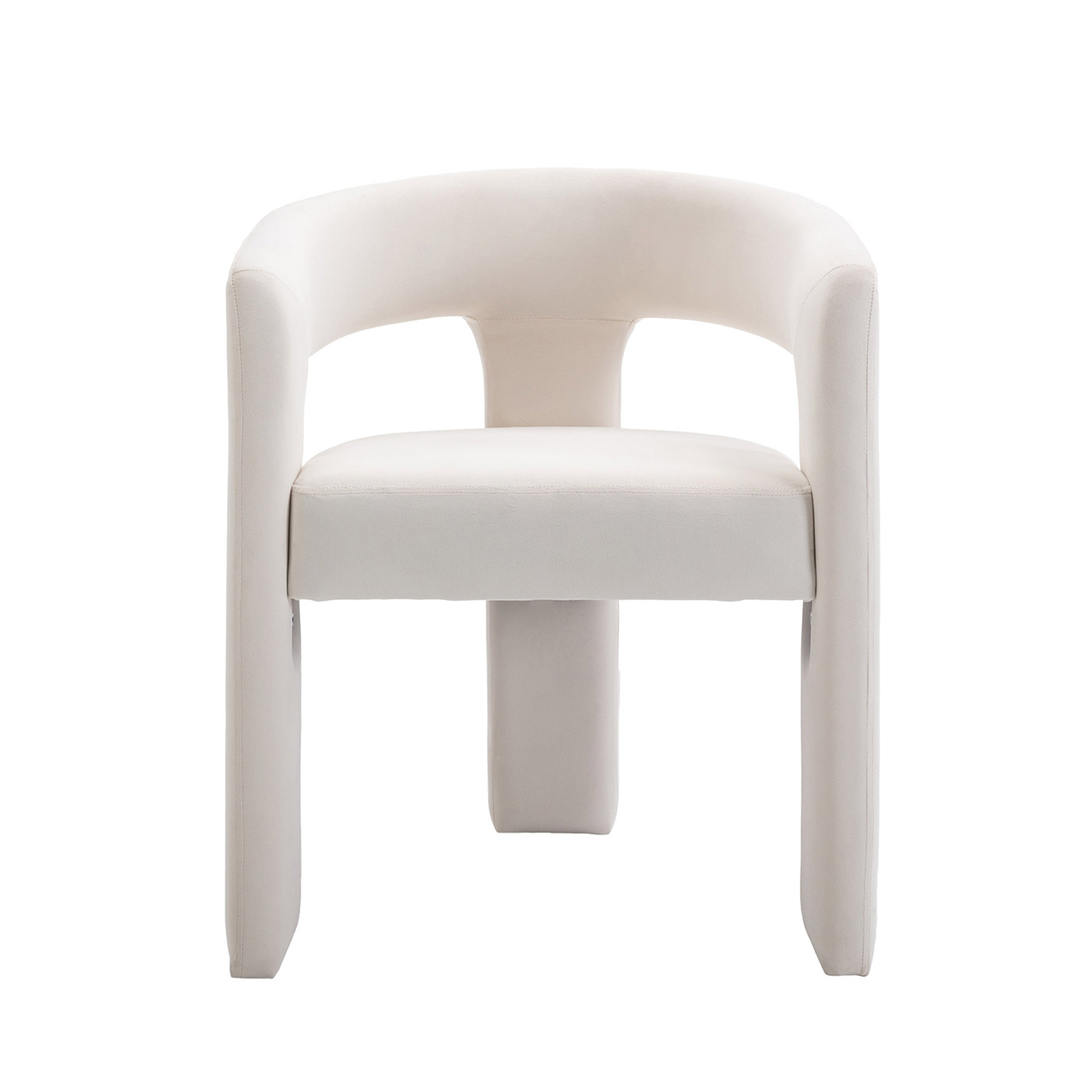
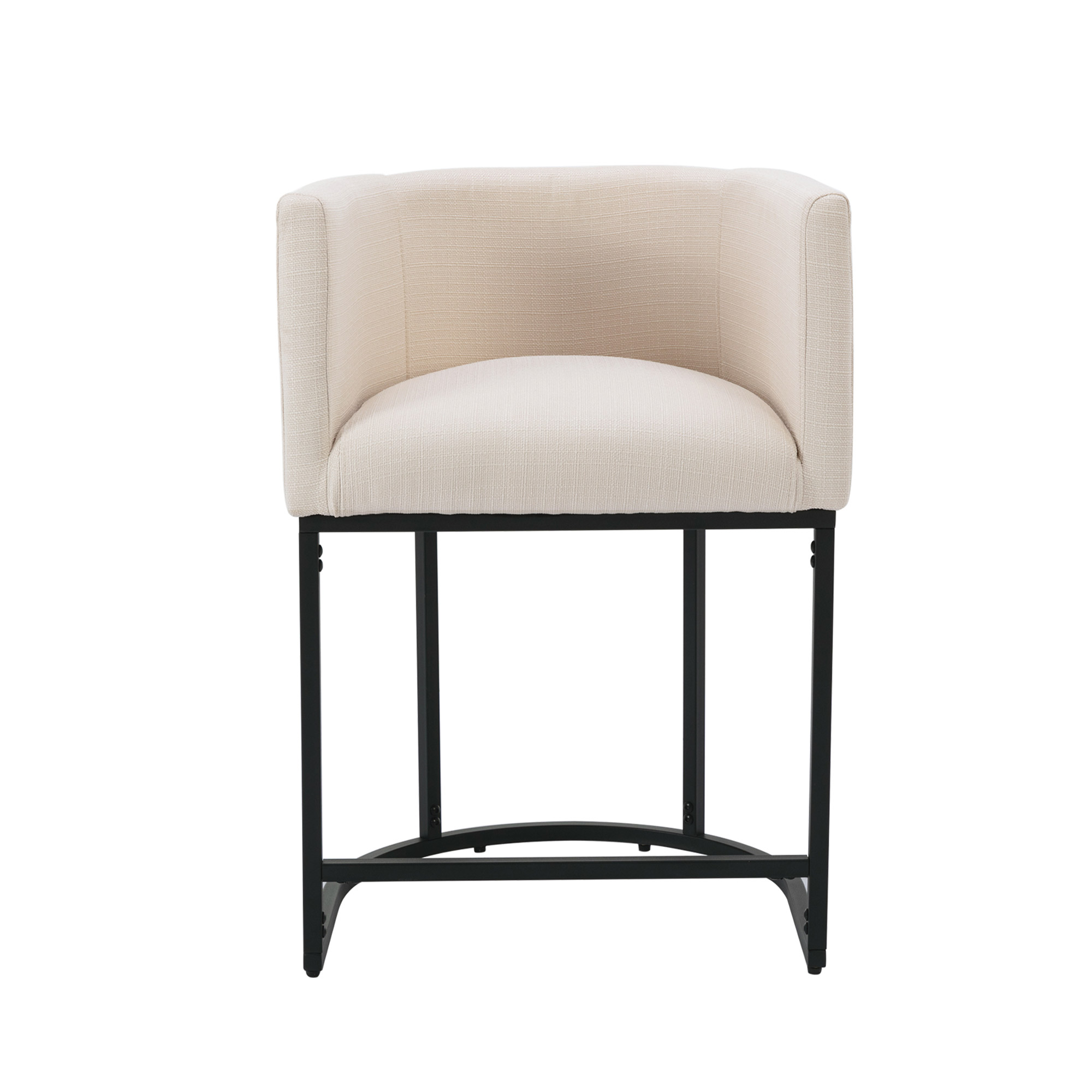
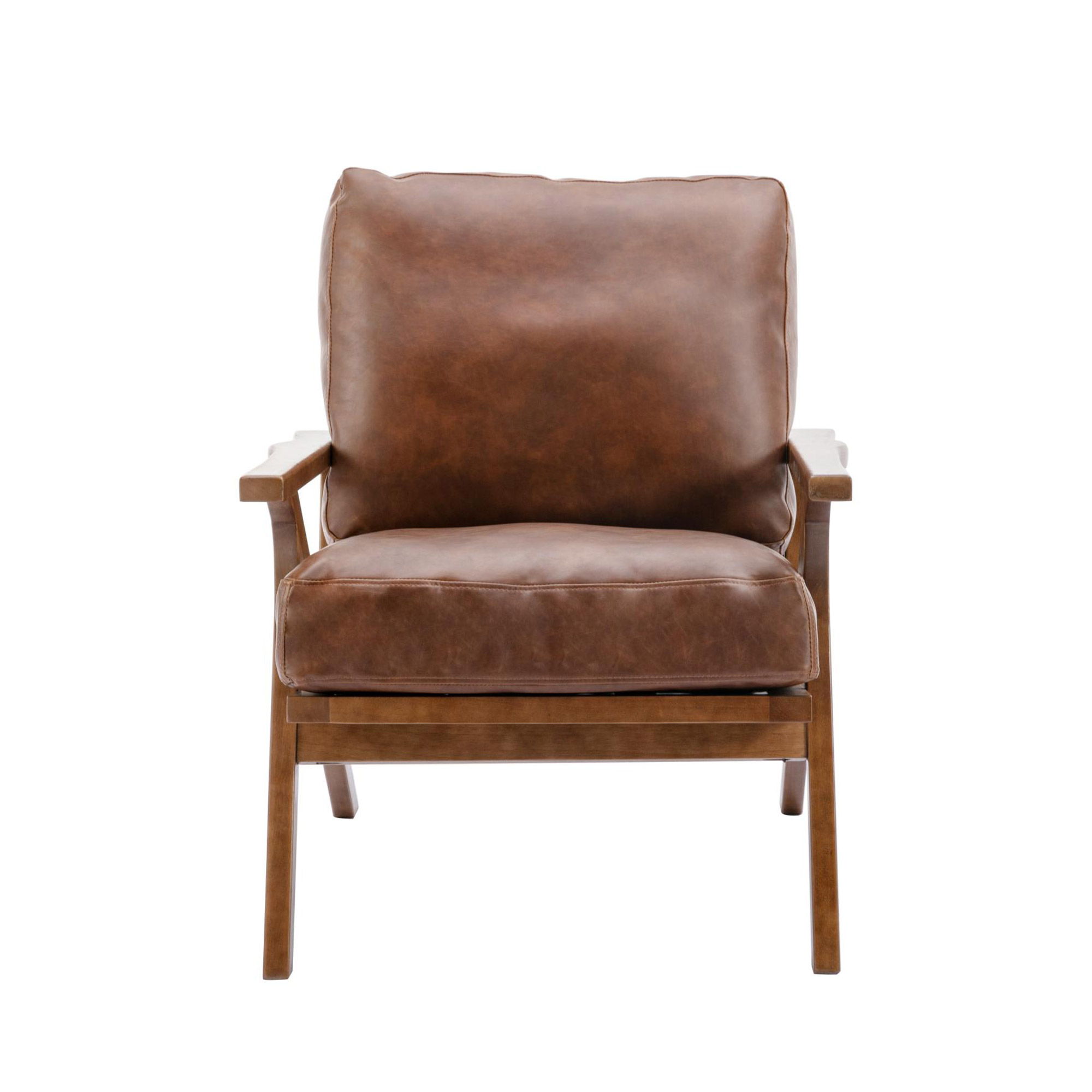
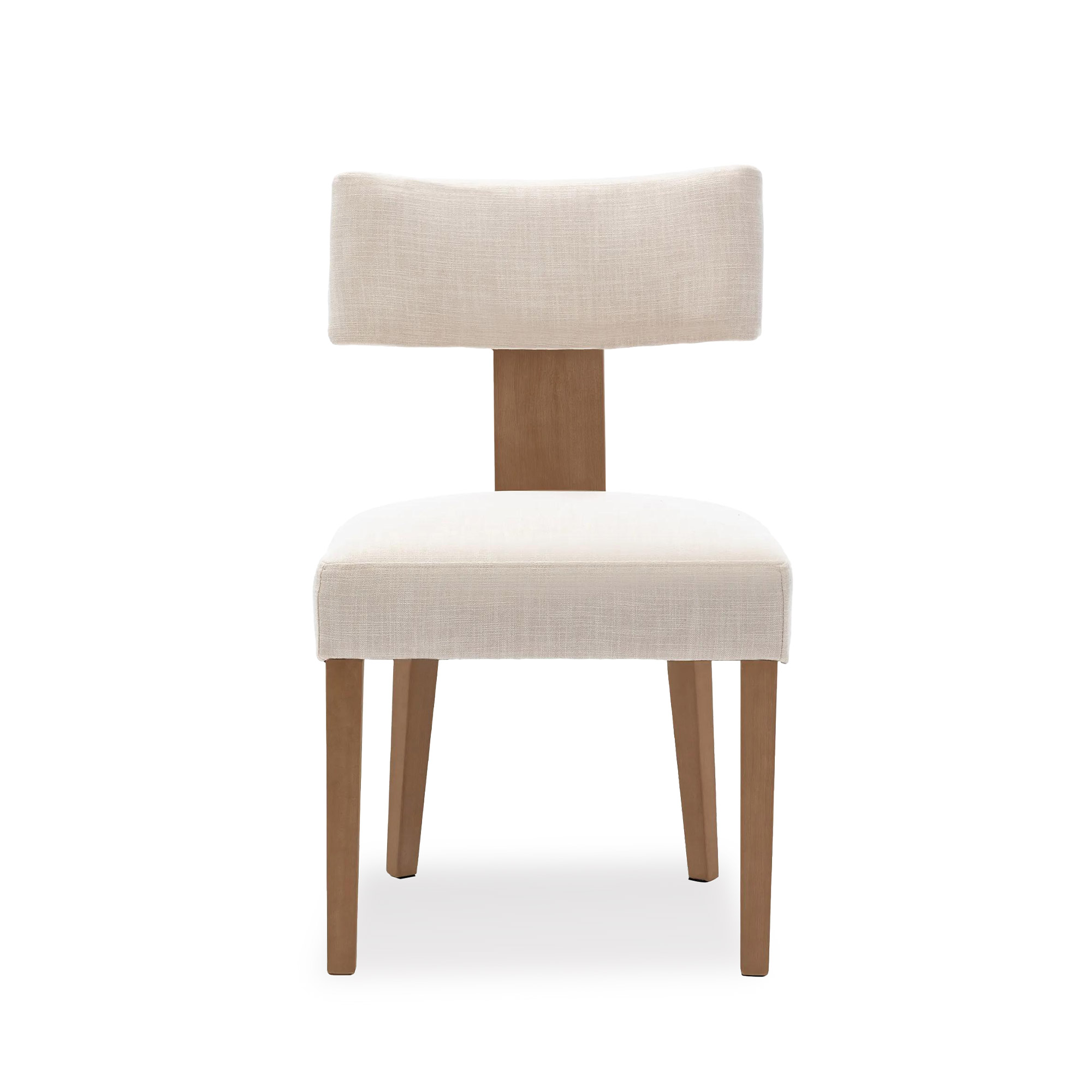
Buying wooden modern dining chairs sounds simple—until you realize how many details affect comfort, fit, and the way your dining room feels every day. This guide walks you through the practical decisions (size, materials, upholstery, and layout) so your dining chairs look right, feel right, and hold up for daily use—from quick breakfasts to family dinners and hosting guests.
What makes modern wooden dining chairs different?
Modern dining chairs are usually defined by cleaner lines, a more sleek silhouette, and a focus on proportion. In a modern dining setup, the goal is often a perfect balance between comfort and visual lightness—so the chairs don’t overwhelm the room, even when you have a full dining room table set.
A few signs you’re looking at true modern dining chairs (not just “new” chairs):
- The shape is thoughtfully designed: curved backs, tapered legs, or minimal framing that can fit seamlessly into different spaces.
- Materials feel intentional: solid wood, oak, or cherry frames; leather or linen options; occasional metal accents for a contemporary touch.
- The chair is built for the long game: timeless appeal, reliable durability, and comfort that supports your everyday dining experience.
At DAYALANE, that “modern” standard matters because a chair can be stylish in photos yet fail in real life if it isn’t sturdy, crafted well, and comfortable through an entire meal.
Start with your dining table: height, leg clearance, and space
Before you pick finishes or upholstery, measure your dining table and the space around it. Many returns happen because chairs don’t slide under the table, bump into table legs, or don’t leave enough circulation around the dining area.
The two most important measurements
- Table height
- Seat height (how your chair relates to table height)
A practical rule: you want enough clearance so your legs aren’t jammed and the chair doesn’t scrape the underside of the table.
Quick reference (common dining proportions)
| Item | Typical Range | Why it matters |
|---|---|---|
| Dining table height | ~28–30 in | Sets your target seat height |
| Seat height | ~17–19 in | Keeps posture comfortable during a meal |
| Seat-to-table clearance | ~10–12 in | Helps accommodate different body types and comfort preferences |
Also look at what’s under the top:
- Thick aprons reduce clearance.
- Chunky table legs can block where a chair needs to tuck.
- Pedestal bases can be great for dining space flexibility because fewer legs interfere.
Layout: how much room do you need?
For a comfortable dining experience, aim for:
- Enough pull-out space for chairs (so people aren’t trapped)
- Walking space behind chairs (especially in a formal dining room)
A simple check: if your room is tight, prioritize chairs that visually “open” the space, like lighter profiles, slim frames, and armless silhouettes.
How many chairs do you need for your table?
This is the most common buying question for dining chairs. The answer depends on your table shape, the width of each chair, and how you use your dining room.
Typical planning guidelines
- Standard comfort spacing per person: roughly 22–24 inches of table edge.
- For smaller homes, you can tighten spacing, but comfort drops quickly during a full meal.
Table shape tips
- Rectangular dining table: easiest for sets of 4, 6, or 8 chairs.
- Round dining room table: great for conversation, often needs fewer chairs with slightly wider spacing.
- Square table: ideal for 4 chairs; adding more can feel cramped unless the table is large.
If you host often, consider mixing chair types:
Four matching chairs + two “end” chairs (sometimes upholstered) can elevate the style while keeping the set versatile.
Armless vs. upholstered: what fits your lifestyle?
Armless chairs
Armless chairs are often the easiest way to maximize space. They tuck under the table, keep the room looking airy, and can fit seamlessly in compact layouts. If you’re building a flexible modern dining setup, armless chairs are usually the safest choice.
Best for:
- Smaller dining space
- Multi-use rooms (dining + work)
- Clean, minimal modern interiors
Upholstered dining chairs
Upholstered chairs can boost comfort and make longer meals feel effortless. If you do family dinners frequently or host friends, upholstery can upgrade the dining experience instantly.
Best for:
- Longer meals
- A formal dining space feel
- Adding softness and texture to wood frames
The key is to pick upholstery that matches your real life:
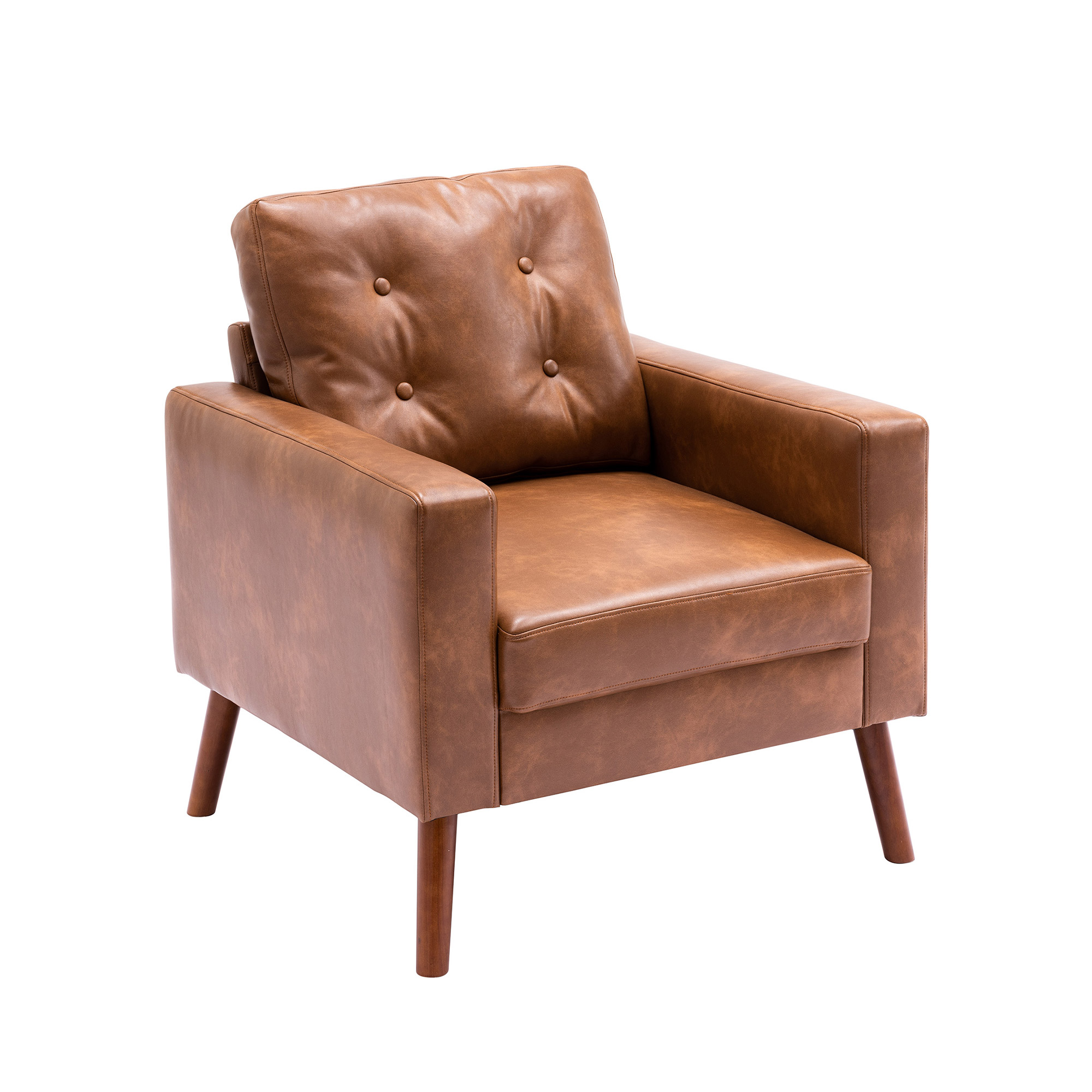
- Leather is easy to wipe down and tends to age with a rich look.
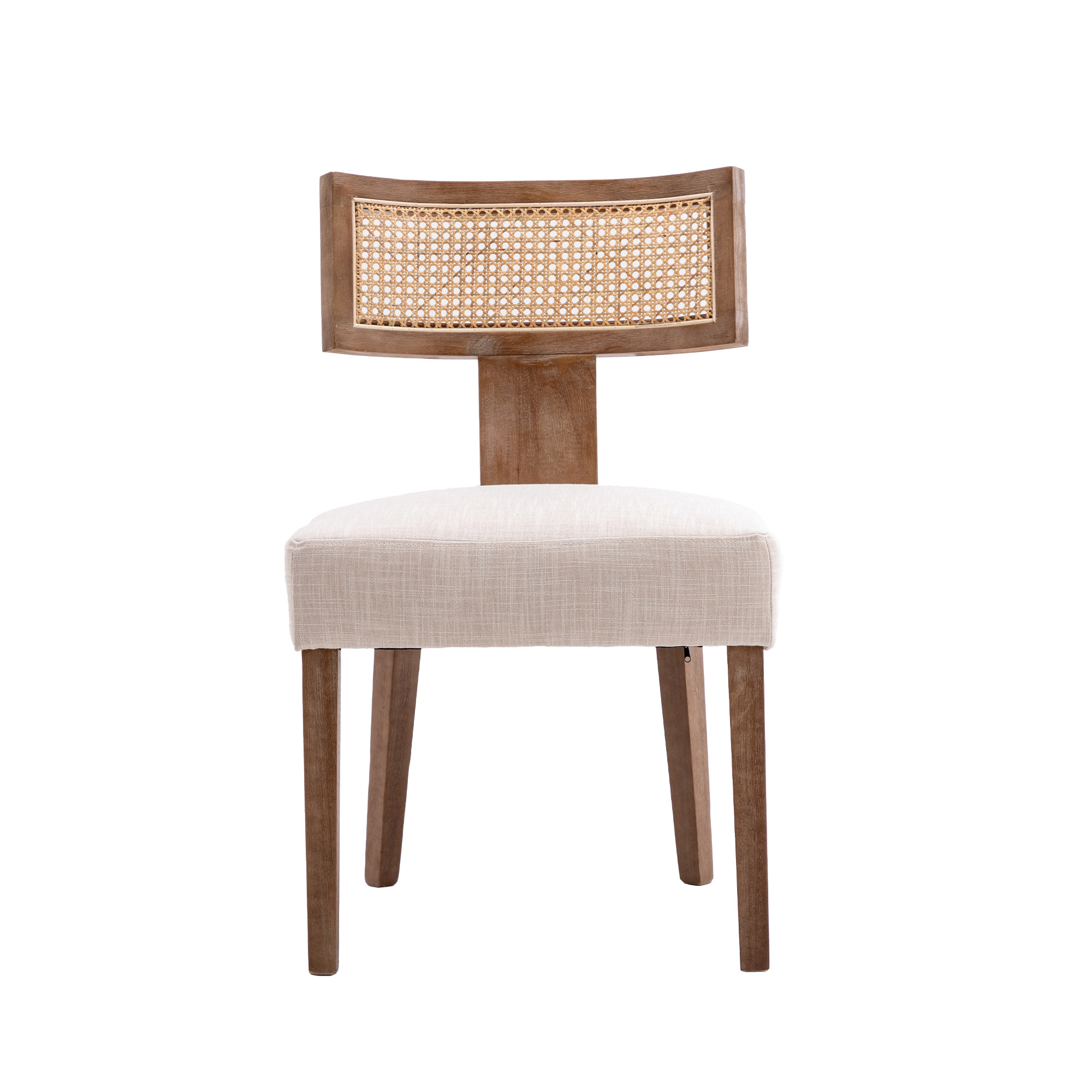
- Linen feels light and natural, but it may require more care depending on color and weave.
Comfort checklist: width, support, and real-life seating
Comfort isn’t just “softness.” It’s how the chair supports you through a full meal, and how it feels day after day in daily use.
1) Seat width and overall proportions
If the seat is too narrow, the chair feels restrictive. If it’s too wide, sets feel bulky and reduce capacity around your dining room table. Always check seat width and the overall footprint—especially if you’re ordering a full collection set.
2) Back support
A curved back can provide support without looking heavy. This is where thoughtfully designed silhouettes matter: you want support that still looks sleek and modern.
3) Upholstery and tactile feel
Choose based on your lifestyle:
- Leather for easy cleanup and a polished look
- Linen for airy softness and a relaxed, casual tone
- Mixed materials (wood + subtle metal) for a more contemporary edge
When you’re shopping, look for chairs that stand up to real use: stable legs, no wobble, and a structure that feels sturdy when you sit.
Materials & build quality: solid wood frames, oak, and cherry
Not all “wood” is the same. The feel, finish, and long-term wear will change depending on species and construction.
Solid wood dining chairs
If you want chairs that last, solid wood dining chairs are a strong option—especially when paired with good joinery and a stable stance. Solid wood tends to carry a sense of quality, and it can handle frequent use better than weaker construction.
Popular wood choices: oak vs cherry
Oak: often reads more textured and grounded; great for modern or transitional homes. It can look classic or more minimal depending on finish.
Cherry: often feels warmer and more refined; it can elevate a dining setup and pair beautifully with both modern dining and softer styles.
A practical approach:
- If your dining room is bright and you want a light, fresh feel, oak is a natural match.
- If you want warmth and depth, cherry can add a rich tone that feels intentional.
When browsing a collection, don’t just choose by color—consider grain, texture, and how the wood will look next to floors, cabinets, and the dining table.
Style matching: modern dining chairs for different rooms
Your chairs should complement the table, not fight it. The easiest way to create a cohesive modern dining look is to repeat a few consistent cues: tone, texture, and shape.
Style formulas
- Light oak chairs + simple dining room table + neutral rug = bright modern look
- Warm cherry chairs + black accents (metal) + clean lighting = refined, contemporary feel
- Leather upholstered chairs + wood table = grounded, grown-up classic energy
- Linen upholstery + slim wood frames = relaxed, airy dining space
Special style note: French country
If you’re building a french country dining room, you can still choose modern dining chairs—just keep the wood warmer and the lines soft. Think: gentle curves, warm cherry tones, and textures that feel inviting. You can keep it french country without going overly ornate.
Mid-century modern: when it works best
Many shoppers love mid century modern because it’s clean, comfortable, and naturally pairs with wood. But it works best when the proportions match your dining table and the chairs don’t feel too low or too angled.
Use mid century modern chairs when:
- Your dining room is minimal, with clear lines and simple decor
- You want a look with timeless appeal
- You prefer chairs that feel crafted rather than bulky
Pro tip: mid century modern is easiest to pull off with a consistent wood tone across chairs and table legs—especially in oak.
Practical buying tips: delivery, stock, and purchasing details
A good buying decision includes logistics. Before purchasing, confirm a few points so your chairs arrive smoothly and match your expectations.
Quick “before you buy” checklist
- Confirm the chair’s overall footprint (to protect your space)
- Confirm material: solid wood vs mixed materials
- Decide upholstery: leather or linen (or non-upholstered)
- Check what’s included and assembly expectations
- Confirm delivery timelines and return terms
- Verify color/finish consistency if ordering in stages (watch stock)
If you’re building a full dining set, buying from one cohesive collection reduces mismatch risks and helps the chairs look complete together.
Bring it home with DAYALANE
If your goal is a dining setup that looks modern, feels comfortable, and lasts, focus on fit first (table height + space), then choose materials that match your lifestyle—solid wood, oak, cherry, and the right upholstery (like leather or linen). When you’re ready, explore the DAYALANE collection to pair chairs that complement your dining room table and enhance the way your home feels—meal after meal.