
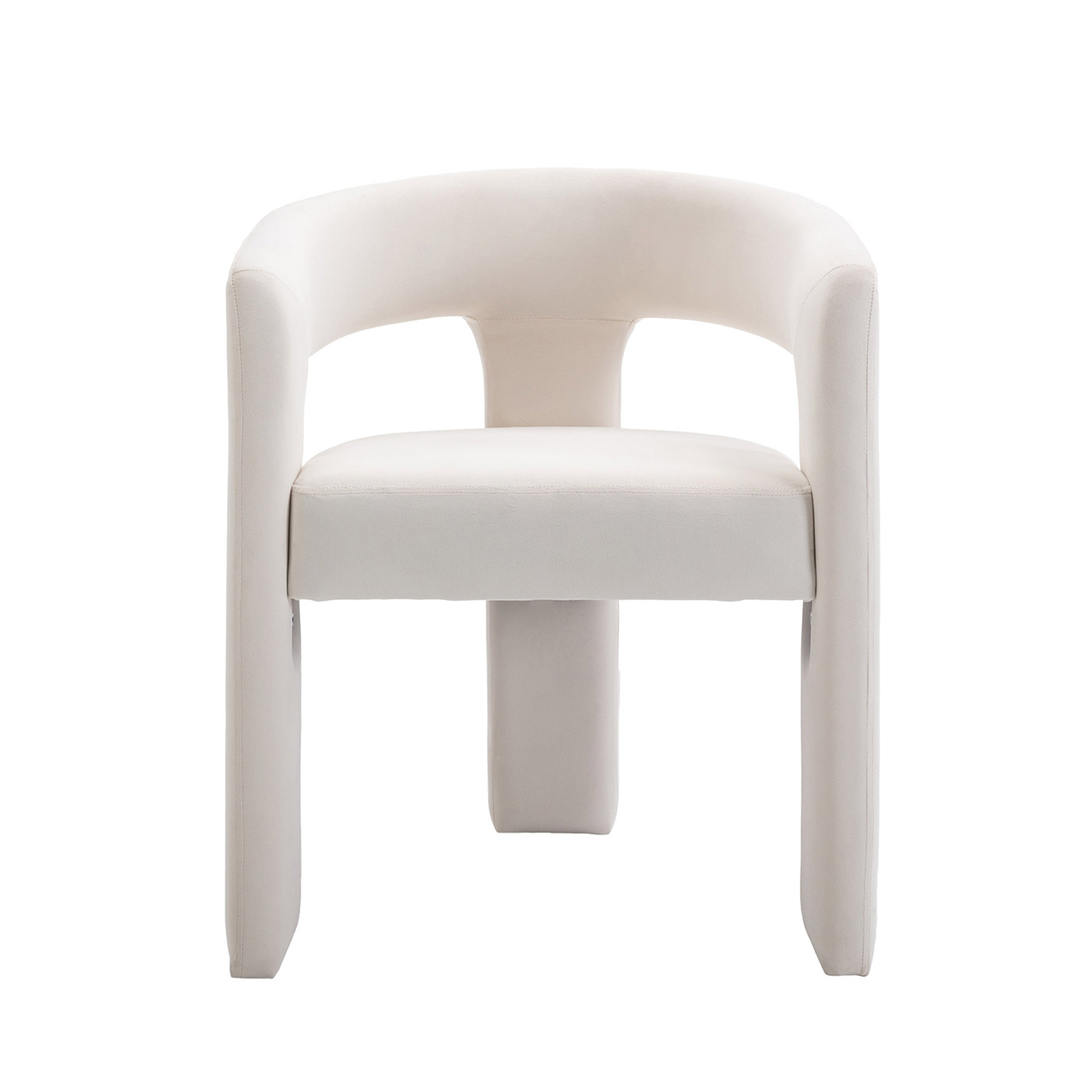
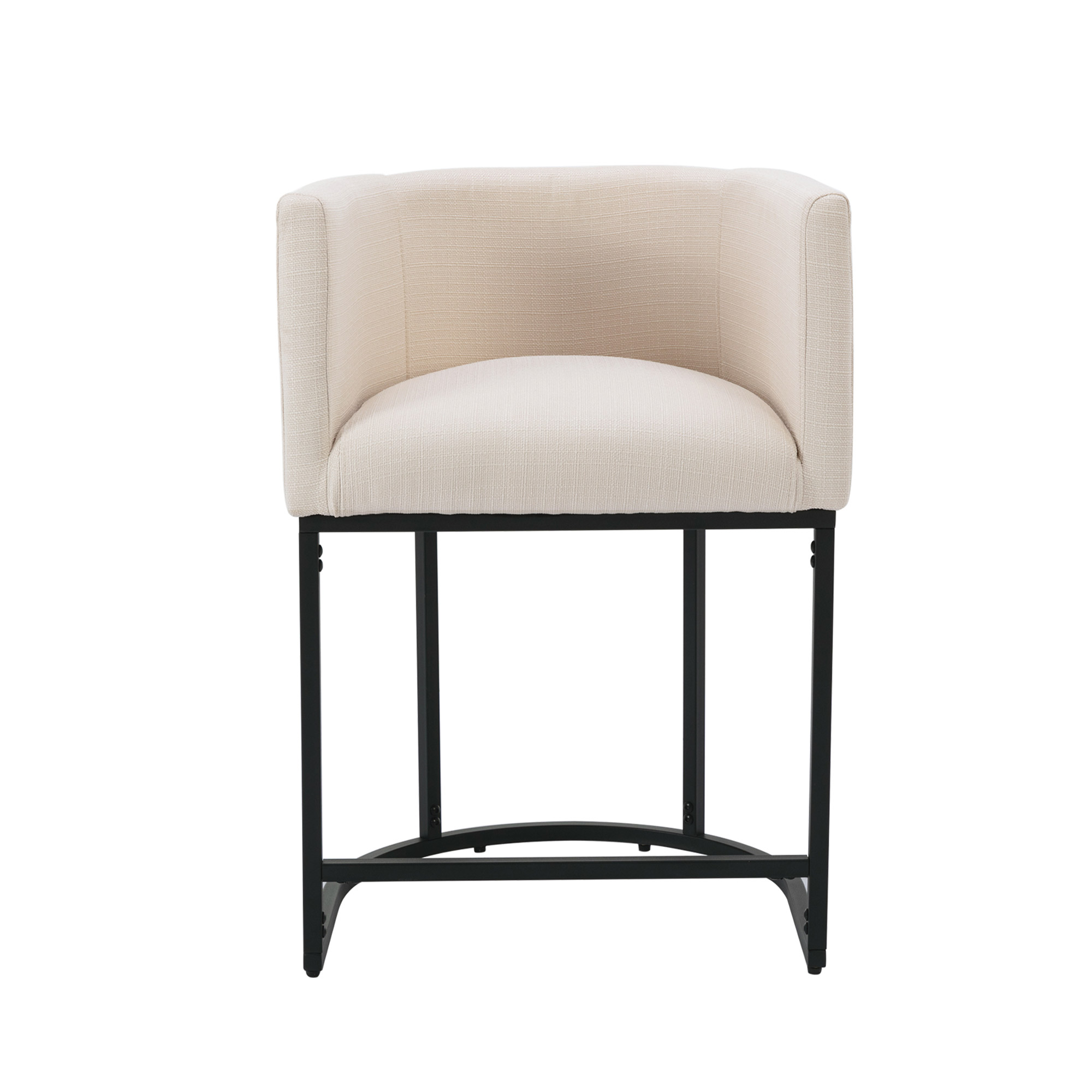
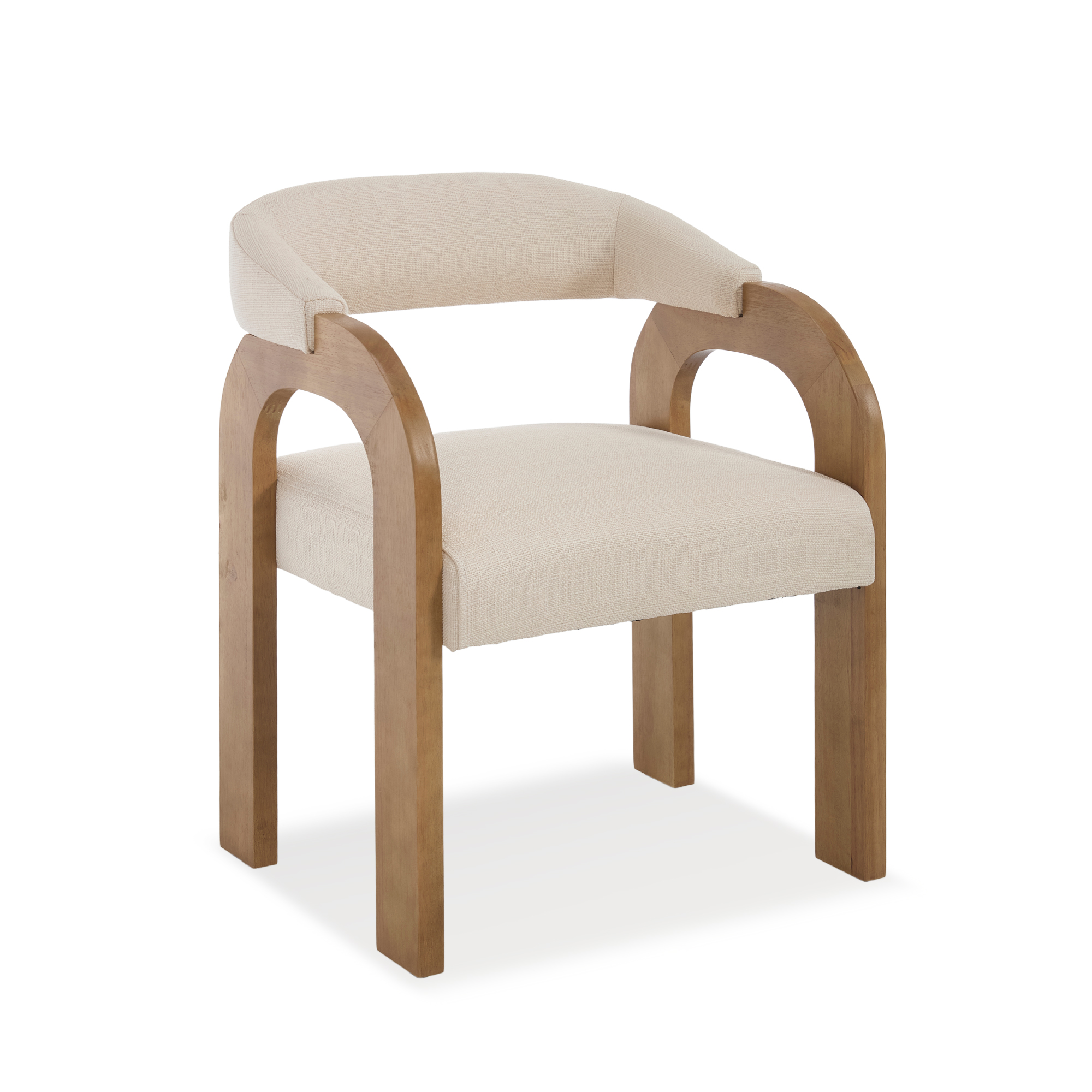
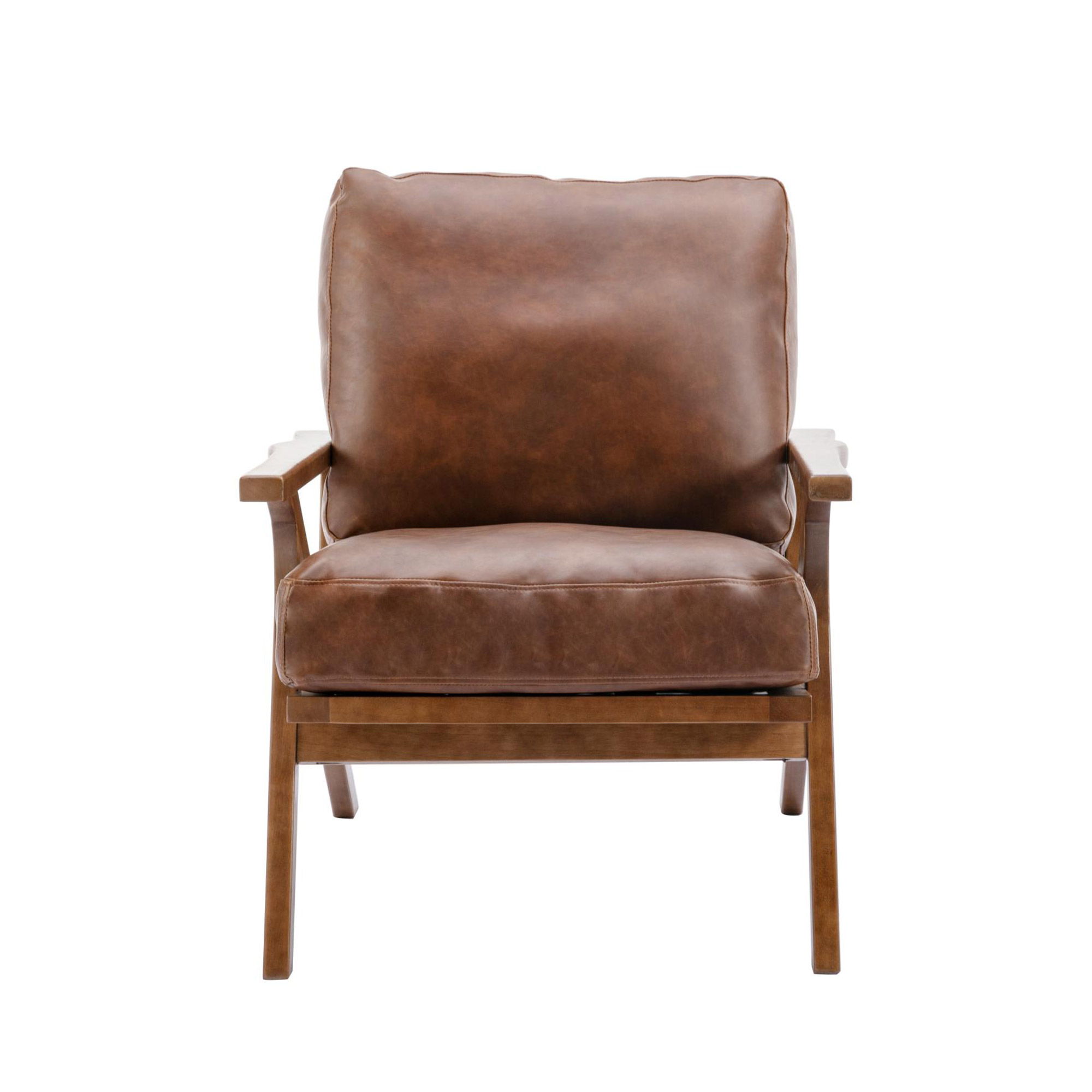
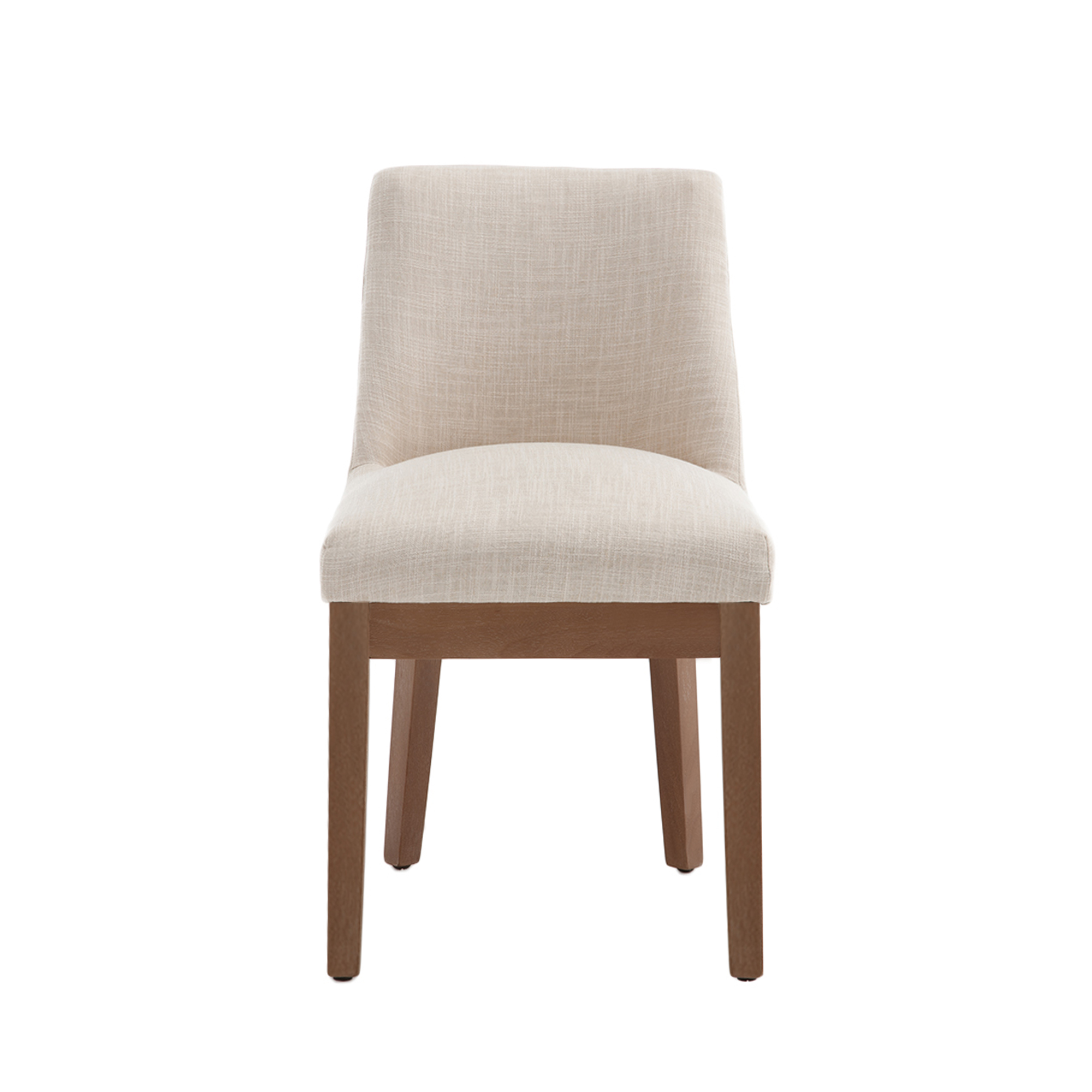
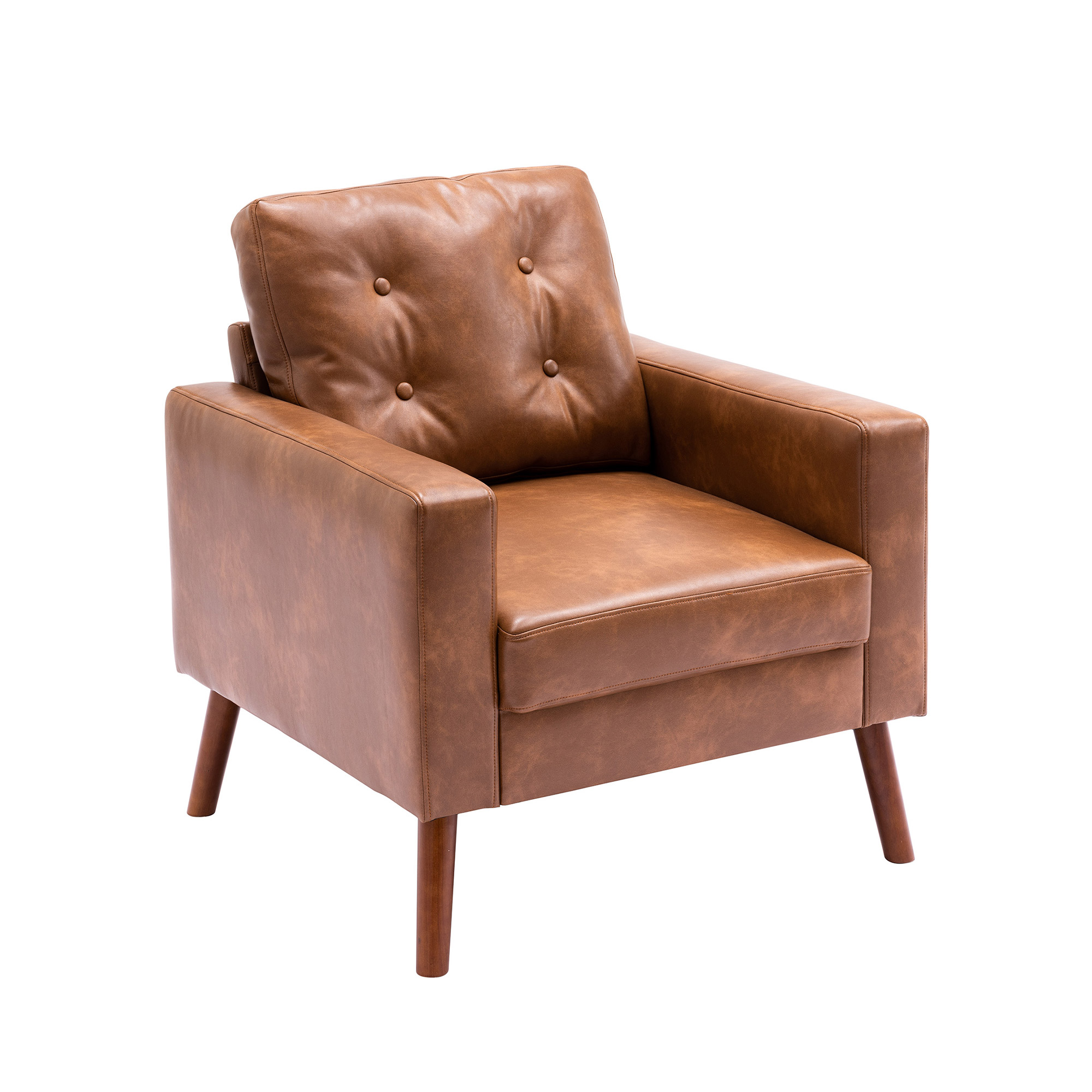
Choosing comfortable dining chairs sounds simple—until you actually start shopping. With hundreds of styles, materials, seat heights, and layouts available, many people end up with dining room chairs that look great but feel uncomfortable after just one meal. If you’ve ever shifted around during long dinners, cut a dinner party short, or found yourself pulling a chair from another room, this guide is for you.
Comfortable dining is about more than softness. The right dining chairs should support your body, fit your table and dining area, complement your interior design, and hold up to everyday use. Whether you’re buying new dining chairs for a family dining room, a compact apartment, or a stylish entertaining space, this guide will help you choose chairs you’ll enjoy sitting in for years.
Why Comfortable Dining Chairs Matter More Than You Think
The dining room has evolved. It’s no longer used only for formal meals. Today, dining chairs support everyday moments—working on a laptop, kids doing homework, relaxed breakfasts, and long dinners with friends.
Uncomfortable chairs affect more than posture. They impact how long people stay seated, how relaxed guests feel, and whether your dining area becomes a place people naturally gather. The most comfortable dining chair encourages people to linger, relax, and enjoy the meal instead of counting minutes.
Start With the Basics: Table Height and Seat Height
Before looking at style or fabric, start with proportions. Even the most stylish chair will feel wrong if the dimensions don’t work with your table.
Ideal Seat Height
- Standard dining tables are around 28–30 inches high
- Ideal dining chair seat height: 17–19 inches
- This allows enough leg room without forcing shoulders upward while sitting
If the seat height is too low, your knees sit too high and strain builds during long dinners. Too high, and your legs dangle or feel cramped under the table.
Seat Depth and Width
- Seat depth between 16–18 inches works for most people
- Wider seats are more comfortable for bigger people and guests of all body types
- Narrow seats may look sleek but can feel restrictive after one meal
Comfortable dining chairs should make sitting feel natural, not forced.
Back Support: The Key to Long Dinners
If you host often or enjoy slow meals, back support is critical. This is where many dining room chairs fail.
Look for:
- Slightly curved backrests that follow natural posture
- Mid-back or full-back support instead of rigid vertical slats
- Upholstered backs for softer pressure points
Chairs with thoughtful back design reduce fatigue during long dinners and dinner parties. This is especially important if your dining area doubles as a work or study space, where chairs may be used similarly to office chairs—but without looking like them.
Upholstered vs. Non-Upholstered Chairs
One of the biggest comfort decisions is whether to choose upholstered dining chairs or hard seats.
Upholstered Dining Chairs
Pros:
- Softer and more forgiving for long sitting
- Better for comfortable dining and entertaining
- Adds warmth and texture to the room
Cons:
- Requires more maintenance
- Fabric choice matters for durability
Non-Upholstered Chairs
Pros:
- Easy to clean
- Lightweight and practical
- Often more minimalist
Cons:
- Can feel hard during longer meals
- Less forgiving for daily use
For most households, upholstered chairs strike the best balance between comfort and style—especially when paired with durable fabrics like vegan leather or performance textiles.
Choosing the Right Upholstery Material
Fabric affects both comfort and lifestyle compatibility.
Popular Options:
- Vegan leather: Easy to clean, soft to the touch, stylish, and practical for families
- Fabric upholstery: Breathable, cozy, and inviting for everyday meals
- Leather: Durable and classic, but requires more care
- Textured weaves: Add visual interest and hide everyday wear
For families, apartments, and frequent hosting, vegan leather offers a practical mix of comfort and durability without sacrificing style.
Solid Wood Frames: Comfort Meets Stability
A comfortable chair also needs to feel stable. Wobbling or creaking ruins the sitting experience.
Chairs made with solid wood frames provide:
- Better weight support
- Longer lifespan
- A grounded, sturdy feel when sitting
A well-built chair should feel secure for guests, family members, and bigger people alike. Durability matters just as much as softness.
Arms or Armless: Which Is Better?
Armrests can dramatically change comfort—but they’re not always right for every space.
Chairs With Arms
- More supportive for relaxed meals
- Great for long dinners and lingering conversations
- Easier for some people to sit and stand
Armless Chairs
- Save space in smaller dining areas and apartments
- Tuck fully under the table
- Offer a cleaner, minimalist look
A popular solution is to mix styles: armchairs at the ends of the table, armless chairs along the sides. This creates comfort and a cohesive look without crowding the room.
Swivel Dining Chairs: Comfort Meets Function
A swivel dining chair adds unexpected comfort, especially in modern homes.
Benefits include:
- Easier movement in tight dining areas
- Reduced strain from twisting
- Great for open-plan rooms and flexible seating
Swivel chairs are especially practical when the dining area connects to the living room or kitchen, allowing guests to turn naturally during conversations.
Matching Chairs to Your Dining Room Style
Comfort doesn’t exist in isolation. The right chair should complement your décor and interior design.
For a Cohesive Look:
- Match wood tones to your dining table
- Use consistent upholstery colors or textures
- Balance visual weight between chairs and table
Style Considerations:
- Minimalist spaces: Clean lines, slim profiles, neutral colors
- Modern interiors: Upholstered seats, sculpted backs, solid wood frames
- Vintage-inspired rooms: Curves, texture, warmer tones
Comfortable dining chairs should enhance the room, not overpower it.
Space Planning: Comfort Within Your Room
Even the best chairs won’t feel comfortable if the dining area feels packed.
General spacing rules:
- Allow 24–26 inches of width per chair
- Leave at least 36 inches of clearance behind chairs
- In small spaces, choose chairs with slimmer arms or no arms
In apartments or compact rooms, lightweight chairs help maintain comfort without crowding the space.
Comfort for Different Households
Families
- Durable upholstery
- Rounded edges for safety
- Easy-to-clean surfaces
Entertainers
- Comfortable backs for long dinners
- Upholstered seats for guests
- Stable frames that feel premium
Everyday Use
- Chairs that feel comfy even for quick meals
- Materials that handle daily sitting
- Designs that age well with your décor
Common Mistakes to Avoid
- Choosing style over comfort
- Ignoring seat height and table compatibility
- Buying all chairs with arms in a small room
- Overlooking durability for everyday use
- Not considering who actually uses the chairs
Comfortable dining chairs should work for real life, not just photos.
Styling Tips for Comfortable Dining Chairs
- Mix textures for visual interest
- Use blue or neutral upholstery to anchor the room
- Pair upholstered chairs with a solid wood table for warmth
- Add benches on one side to save space and add flexibility
A thoughtful mix creates a stylish yet practical dining setup.
Final Thoughts: Comfort Is a Long-Term Investment
Choosing comfortable dining chairs isn’t about trends—it’s about how you live. The modern dining chair supports your body, enhances your dining room, and makes every meal more enjoyable.
Whether you’re replacing old chairs, upgrading for a growing family, or creating a welcoming space for guests, prioritize comfort, durability, and fit. When dining chairs are chosen well, they quietly improve everyday moments—from casual breakfasts to unforgettable dinner parties.
Comfort isn’t something you notice once—it’s something you appreciate every time you sit down.