


Choosing the right mid century dining chairs is about more than picking a beautiful style from a product photo. A good dining chair should fit your table, support your body, complement your dining room, and feel comfortable through everyday meals, weekend brunches, and long dinners with friends.
Among the most popular silhouettes, high-back and low-back chairs create very different looks and experiences. Both are rooted in the warmth, clean lines, balanced proportions, and practical beauty of mid century design. You will often see inspiration from classic designers like Johannes Andersen, Arne Vodder, and Niels Koefoed, whose work helped define the elegant simplicity of century dining chairs.
So, which one is right for your room: high back mid century dining chairs or low-back styles? The answer depends on your space, comfort needs, table shape, lifestyle, and the overall mood you want to create.
What Makes Mid-Century Dining Chairs So Popular?
The appeal of mid century dining design comes from its balance of form and function. These chairs often feature sculpted wood, tapered legs, organic curves, and honest materials such as walnut, oak, teak, and rosewood. Upholstered options may include leather, velvet, fabric, canvas, or even wool, adding softness, texture, and personality.
A mid-century dining chair can feel classic without looking old-fashioned. It can also work across many interiors, from minimalist apartments to warm family homes. Whether you choose a full set, a mixed pairing, or a few statement pieces, the right chair can instantly add character to your dining space.
The Case for High-Back Mid-Century Dining Chairs
High back mid century dining chairs extend farther above the seat, usually offering more support for the upper back and shoulders. Their added height gives them a stronger visual presence, making them especially useful in larger dining rooms or around substantial tables.
1. Better Support for Long Meals
If you often host holiday dinners, game nights, or long conversations around the table, high-back chairs may offer better comfort. The taller backrest gives the body more surface area to lean against and can help guests feel supported for longer periods.
Of course, back height is not the only factor. A truly comfortable chair also needs the right seat depth, cushion quality, back angle, and upholstery. A high-back design in soft leather, durable fabric, or performance velvet can feel much more supportive than a simple wood chair with no padding.
2. A Good Choice for Dining and Working
Many homes now use the dining room as a flexible workspace. If your table sometimes becomes a desk, a high-back chair can offer more support during laptop work, homework, or creative projects.
A chair with a gently curved back, padded seat, and sturdy frame can give you a better way to sit for longer stretches while still looking like part of a polished dining set.
3. Strong Visual Impact
High-back chairs can anchor a large dining room and make the table feel more intentional. They work especially well with thick walnut, oak, teak, stone, or marble tables because the visual weight of the chair matches the scale of the table.
For a refined look, try placing a pair of high-back chairs at the heads of a rectangular table and using lower chairs along the sides. This creates contrast while keeping the overall style balanced and clean.
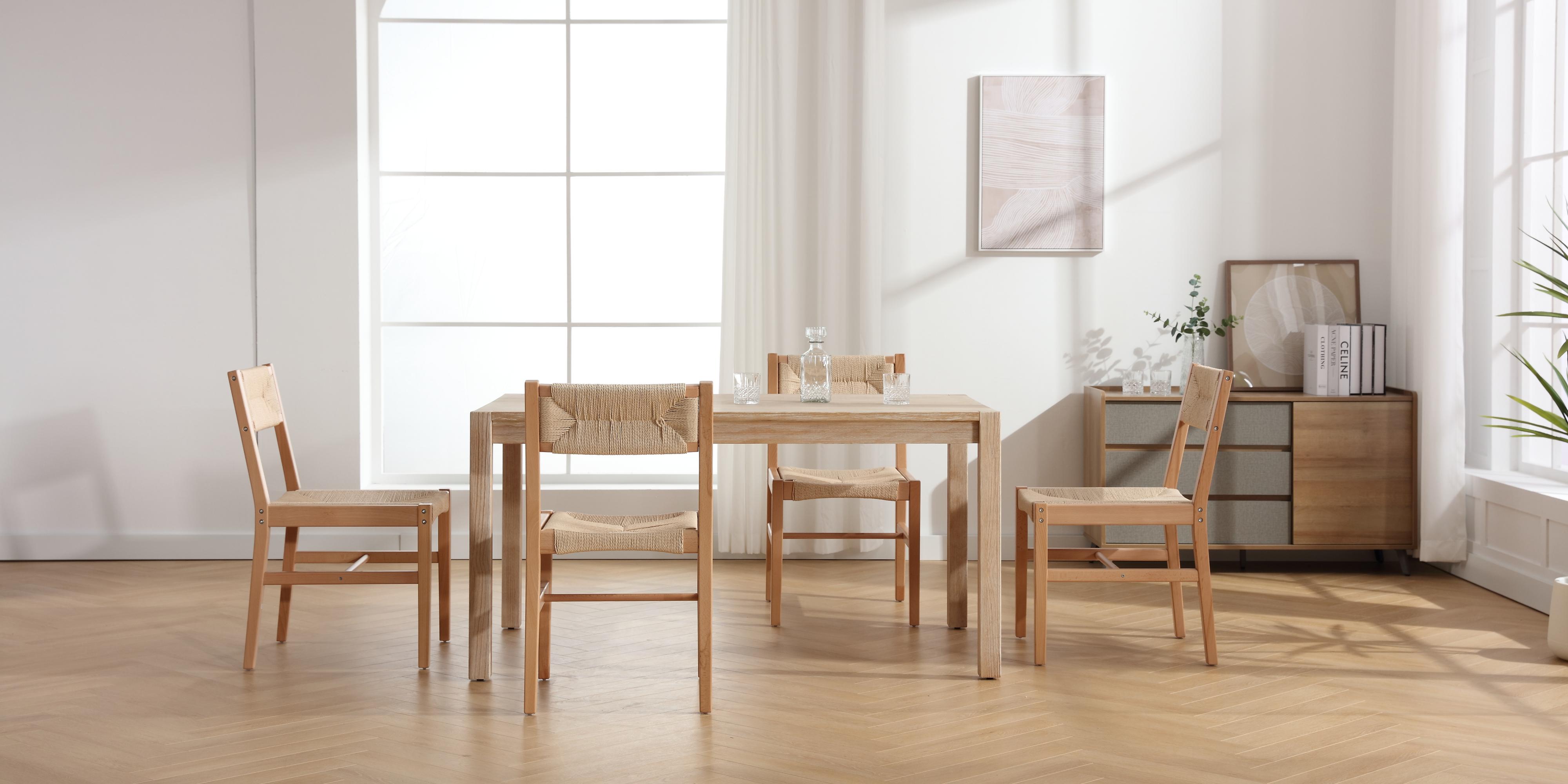
Potential Drawbacks of High-Back Chairs
High-back chairs are beautiful, but they are not always the best fit for every home.
1. They Can Make a Small Room Feel Crowded
Because high backs rise above the table, they can interrupt sightlines. In a compact apartment, breakfast nook, or open-plan layout, this may make the room feel smaller or more enclosed.
2. They Need More Space
Some high-back chairs do not tuck fully under the table. Before you place an order, check the total chair height, width, seat depth, and arm height. Also measure the distance between your table and nearby walls.
Even if a chair looks perfect online, it may not fit well if the table is narrow or the room has low ceilings.
3. More Surface Area to Clean
A taller upholstered back means more material to maintain. Velvet and wool add rich texture, but they may collect lint, dust, or pet hair. Smooth leather, sealed wood, and performance fabric are usually easier to keep clean.
The Case for Low-Back Mid-Century Dining Chairs
Low-back mid century dining chairs usually rise only slightly above the table. They feel lighter, more casual, and easier to use in small spaces. Their simple proportions reflect the open, uncluttered look often associated with century dining furniture.
1. They Make Small Spaces Feel More Open
A low chair allows the eye to move across the room without interruption. This is especially helpful in apartments, condos, breakfast corners, or open-plan homes where visual space matters.
If every inch counts, low-back chairs can make your dining area feel cleaner, brighter, and less crowded.
2. They Are Easier to Tuck Away
Many low-back chairs slide almost completely under the table when not in use. This creates more walking room and keeps the dining area looking neat.
3. They Work Well with Minimalist Interiors
Low-back designs pair beautifully with slim wood tables, pedestal tables, glass tops, and open layouts. A curved walnut seat with tapered legs can add warmth without making the space feel heavy.
They also leave more room for creativity. You can add color through artwork, rugs, lighting, tableware, or wall decor without the chairs competing for attention.
4. They Are Flexible Pieces
Low-back chairs are often easier to move around the home. They can work at a dining table, writing desk, dressing area, or occasional seating corner. For smaller homes, this flexibility is a major advantage.
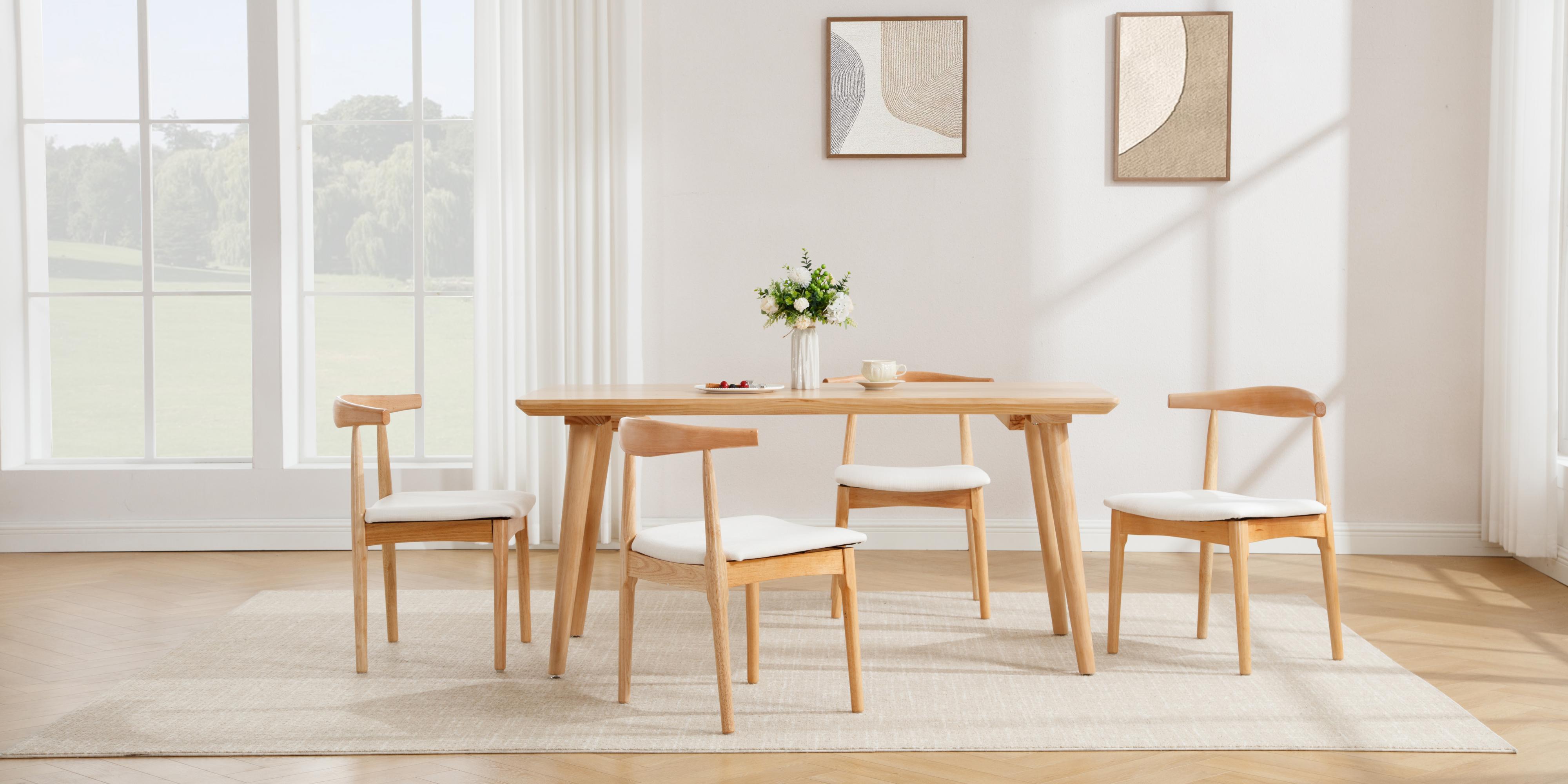
Potential Drawbacks of Low-Back Chairs
Low-back chairs are practical, but they may not suit every lifestyle.
1. Less Upper-Back Support
Because the backrest ends lower on the body, low-back chairs may not support the shoulders or upper back as well. They can still be comfortable if the seat is well-shaped, but they may not be ideal for long dinners or daily work sessions.
2. They May Look Too Small Beside a Heavy Table
A slim low-back chair can look out of scale next to a large stone, marble, or thick wood table. Successful pairing depends on proportion, not just color.
If your table is visually heavy, choose low-back chairs with wider frames, upholstered seats, darker wood, metal accents, or stronger design details.
High-Back vs Low-Back: Quick Comparison
|
Feature |
||
|
Best for |
Larger rooms, frequent hosts, dining-table workspaces |
Small rooms, apartments, open-plan homes |
|
Comfort |
More upper-back support |
Depends on seat shape and cushioning |
|
Visual effect |
Formal, grounded, dramatic |
Light, airy, casual |
|
Space needed |
More room around the table |
Easier in tight layouts |
|
Table pairing |
Solid wood, marble, thick-profile tables |
Slim wood, glass, pedestal tables |
|
Cleaning |
More upholstery to maintain |
Usually less material to clean |
How to Choose the Right Chair for Your Dining Room
Think About How You Use the Room
For quick weekday meals, a sculpted low-back wooden chair may be enough. For long dinners, work-from-home days, or frequent entertaining, an upholstered high-back chair may offer better comfort.
Choose Materials for Your Lifestyle
Leather is easy to wipe and ages well. Performance fabric is practical for kids and pets. Velvet adds softness and depth, while canvas feels casual and relaxed. Wool brings warmth and texture. Solid walnut, oak, teak, and rosewood offer timeless beauty, while metal frames can add a modern industrial edge.
Can You Mix High-Back and Low-Back Chairs?
Yes. In fact, mixing chair heights can make a dining room feel more personal and less like a showroom. One easy way is to use high-back chairs at the ends of a rectangular table and low-back chairs along the sides.
To keep the look intentional, repeat one or two elements: wood tone, upholstery color, leg shape, seat material, or overall mid-century style.
Final Verdict: Which Dining Chair Is Right for You?
Choose high back mid century dining chairs if you want more support, stronger visual presence, and better comfort for long meals or dining-table work. They are especially effective in spacious dining rooms and around substantial tables.
Choose low-back mid century dining chairs if you want to save space, keep sightlines open, and create a lighter, more relaxed look. They are ideal for apartments, breakfast nooks, minimalist interiors, and flexible layouts.
Ultimately, the best dining chair is not decided by height alone. The right choice should fit your table, support your body, suit your room, and match the way you live. Whether you prefer sculpted teak, warm walnut, clean oak, soft velvet, durable leather, or textured fabric, well-designed mid century dining chairs can add lasting style, comfort, and character to your home.
FAQs
Are low-back dining chairs comfortable for long dinners?
They can be. A low-back chair with an ergonomic curve, supportive cushioning, and appropriate seat depth may remain comfortable for several hours. However, guests who prefer upper-back support will generally find high-back chairs more comfortable.
Which chair style is better for a small dining room?
Low-back chairs are usually the better choice because they preserve sightlines and can often tuck beneath the table. Their lower visual profile helps a small room feel more open.
Can I mix high-back and low-back chairs?
Yes. Using a high-back pair at the ends of the table and low-back chairs on the sides creates contrast while maintaining balance. Repeat a common material, color, or leg style to connect the pieces.
Do high-back chairs work with round tables?
They can, but proportion is important. A small round table may look crowded when surrounded by tall, wide chairs. For a compact table, consider using narrower high-back designs or combining two statement chairs with lighter seating.
Which style is easier to clean?
Back height is less important than material. Smooth wood, sealed leather, and performance fabric are usually easier to maintain than delicate velvet or loosely woven wool. Always follow the manufacturer’s cleaning instructions.